Central Kalahari Game Reserve
Central Kalahari Game Reserve
The Central Kalahari Game Reserve is one of the largest protected areas on Earth, a vast expanse of sand, scrub, and fossil river valleys in the middle of Botswana where desert-adapted predators and the green-season transformation define the experience. It is strongest for self-sufficient travelers who want emptiness and black-maned lions.
Where to find the wildlife
The Central Kalahari inverts normal safari logic. There is no permanent water, so game does not concentrate at rivers — instead the animals follow the rain, and the reserve's best wildlife season is the wet one, when the fossil valleys green up and the herbivores arrive in numbers with the predators behind them.
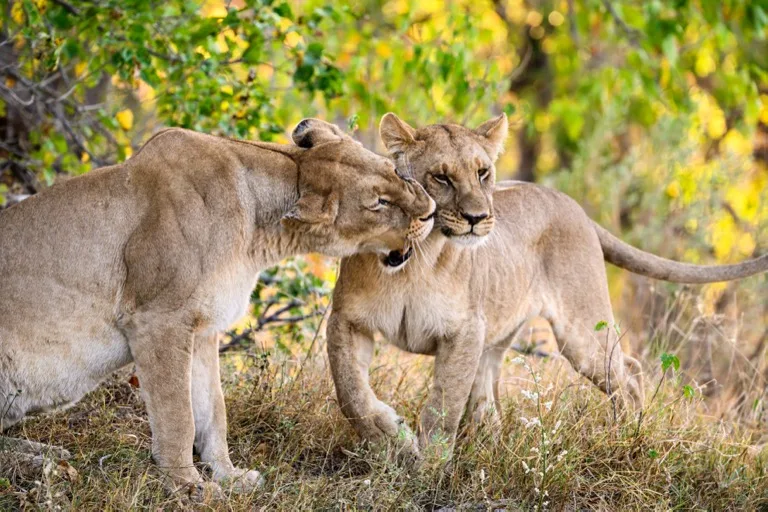
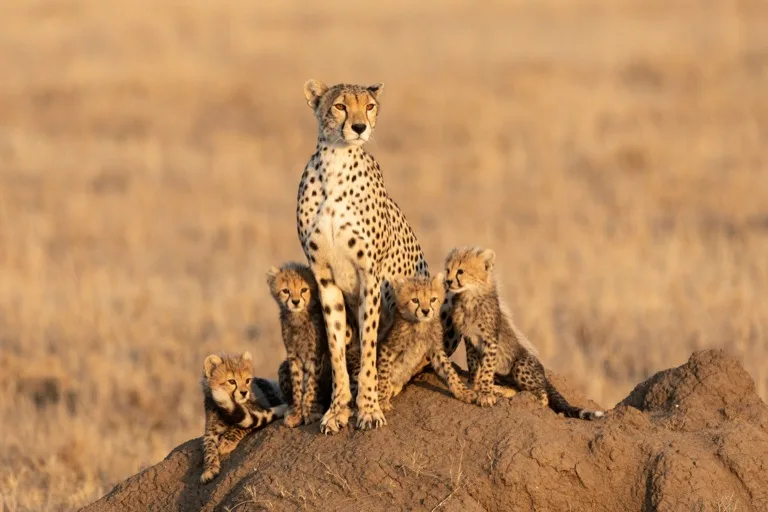
Deception Valley is the classic destination, a fossil river bed of pale grass that fills with springbok, gemsbok and wildebeest after rain. The lions here are the famous black-maned Kalahari cats, and cheetah hunt the open pans. This is the valley made famous by decades of desert lion research.
Passarge and Piper valleys to the north are the quieter equivalents, with the same seasonal flush and even fewer vehicles.
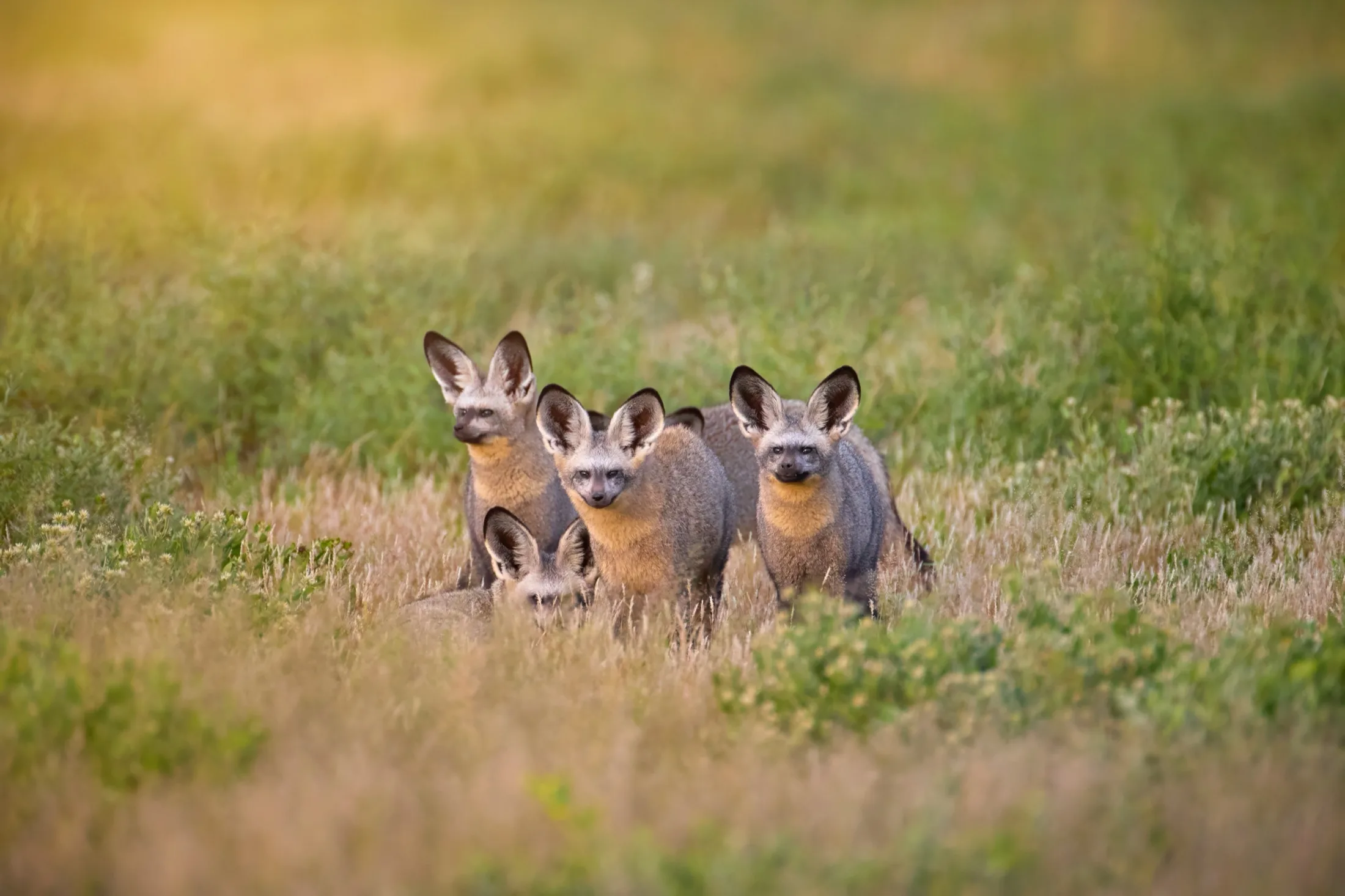
The pans throughout hold the Kalahari specialities: brown hyena, bat-eared fox, aardwolf and honey badger, most of them best found on early mornings or, where permitted, at dusk.
The deep south around Xade is where meerkat groups habituated to people can be watched at close range — standing on visitors as lookout posts — usually arranged through the lodges on the reserve's edge.
December to April is the green season and the productive window — the opposite of most of Botswana. The dry months from May to October are stark and beautiful with far less game, though the predators remain.
Practicalities
This is serious self-drive country: no fuel, no water and no supplies inside the reserve, deep sand tracks, and distances of hundreds of kilometres between campsites. Two vehicles, full recovery equipment, and enough water for several days beyond your plan are the standard expectations, and campsites must be booked in advance.
The alternative is flying into one of the small lodges on the reserve. The Central Kalahari is also the ancestral land of San communities whose relationship with the reserve has been the subject of long legal dispute — worth reading about before you go.
Gallery
Wildlife Species
Black-maned Kalahari lions and desert-adapted predators
UncommonMammal · Best time: Dry, clear periods and early morning
Cheetah, brown hyena, jackal, and smaller carnivores
UncommonMammal · Best time: Morning and late afternoon
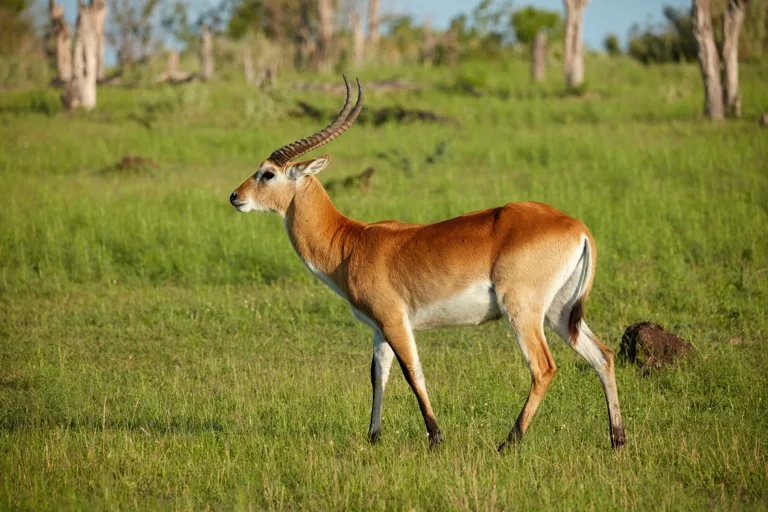
Gemsbok, springbok, wildebeest, eland, and giraffe
CommonMammal · Best time: After rains and around productive valleys
Bustards, korhaans, raptors, and open-country Kalahari birds
UncommonBird · Best time: Daylight hours
Geography
- Terrain
- Kalahari sandveld, open grass pans, fossil river valleys, scrub, dry savanna, dune-and-pan system
- Elevation
- Low interior plateau
- Climate
- Hot semi-arid Kalahari climate
- Area
- About 52800 km2 reserve
Weather
- Best Months
- DecemberJanuaryFebruaryMarchAprilMayJuneJulyAugust
- Avg. Temperature
- 2-40°C
- Rainfall
- Wildlife peaks can be seasonal after rains, while dry months bring easier driving and classic stark Kalahari atmosphere
- Humidity
- 15-60%
Getting There
Usually Maun with fly-in access or very long specialist 4x4 transfer into reserve sectors such as Deception Valley or Tau Pan
A genuine remote Botswana trip where road conditions, fuel planning, self-drive competence, and evacuation practicality matter much more than country stability alone
- Fly-in desert safari
- Lodge-supported game drives
- Serious 4x4 self-drive expedition across pans and valleys
(Affiliate link — we may earn a commission.)
Tours & Experiences
Local guides substantially improve animal sighting odds — compare independent operators and dates for Central Kalahari Game Reserve below.
(Affiliate links — we may earn a commission.)
Where to Stay
Fly-in safari camps and lodges in or near core CKGR sectors
Premium to LuxuryCamp or Lodge · Best practical base for most travelers
Check availability on Booking.com →Public campsites and self-drive wilderness camps
Budget to Mid-rangeCamp · Only suitable for prepared 4x4 travelers with proper logistics
Check availability on Booking.com →(Affiliate links — we may earn a commission.)