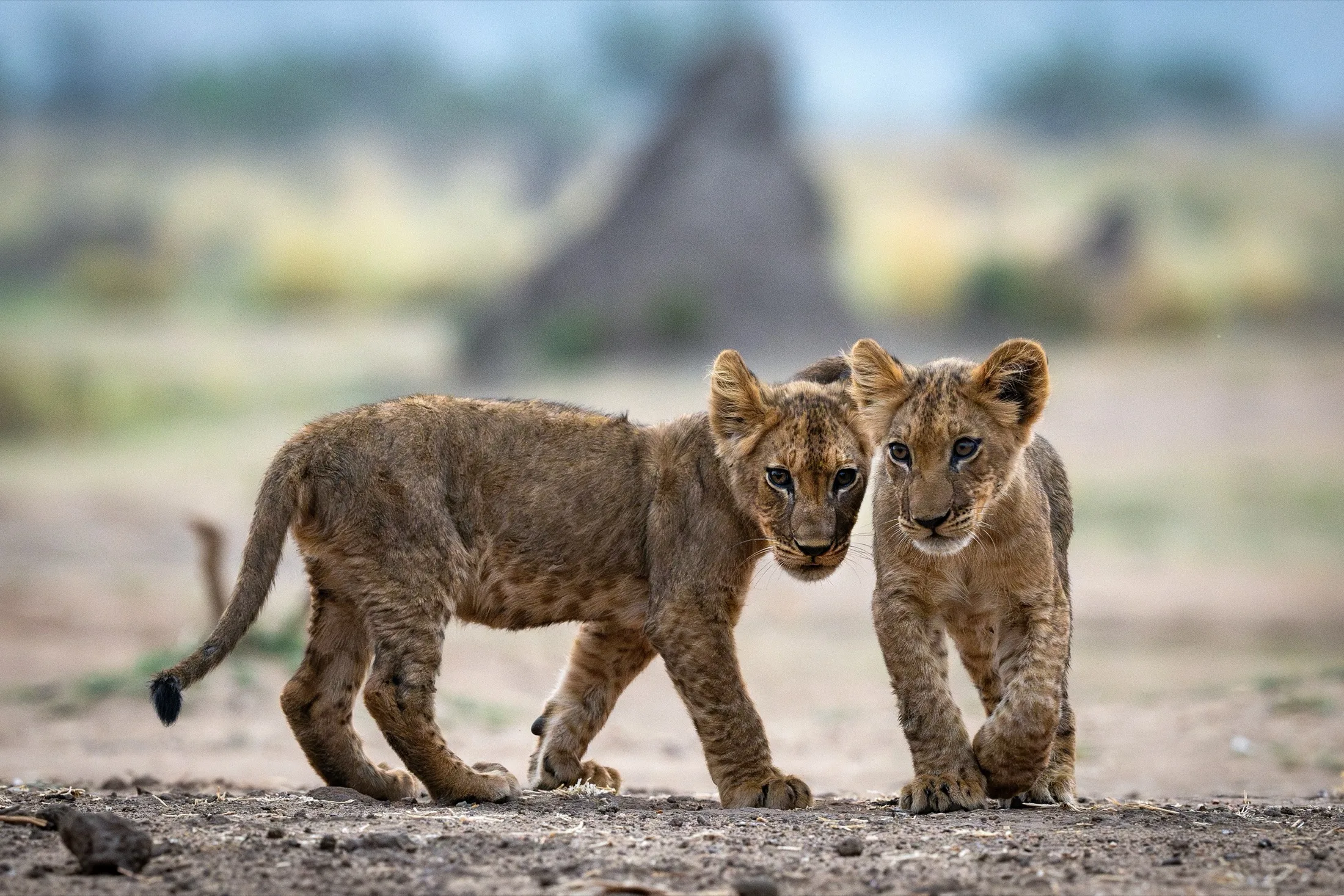
Mana Pools National Park
Mana Pools National Park
Mana Pools National Park is Zimbabwe's most atmospheric wilderness, a stretch of the lower Zambezi floodplain where winterthorn groves, river channels, and permanent pools draw elephant, buffalo, and predators into open, walkable country. It is strongest for travelers who want to approach big game on foot or by canoe rather than from a vehicle.
Where to find the wildlife
What makes Mana Pools different is the ground itself. Beneath the winterthorn trees the floodplain is open, level and largely free of undergrowth, so you can see — and be seen — for hundreds of metres. That openness is why this became the park where walking, rather than driving, is the main event.
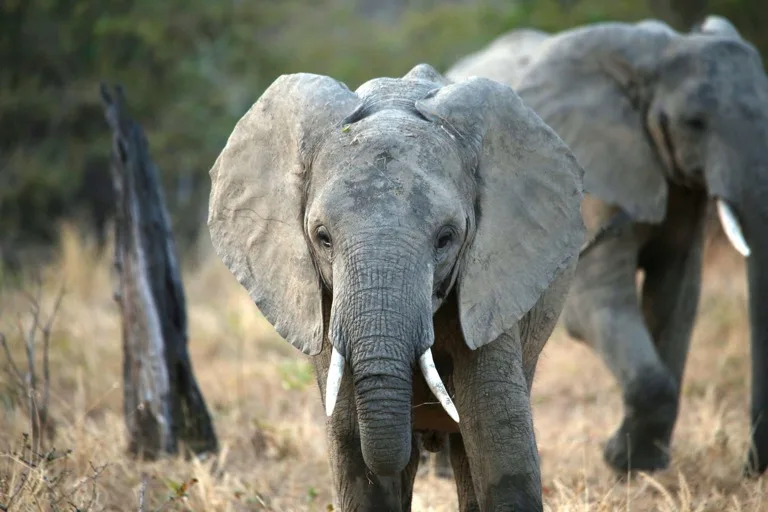
The floodplain and the winterthorn groves along the Zambezi are the heart of it. Elephants come to feed on the fallen albida pods, and the park's celebrated bulls that rear onto their hind legs to reach higher branches are found here — a learned behaviour a handful of individuals have made famous. Buffalo herds, eland, and impala use the same open ground.
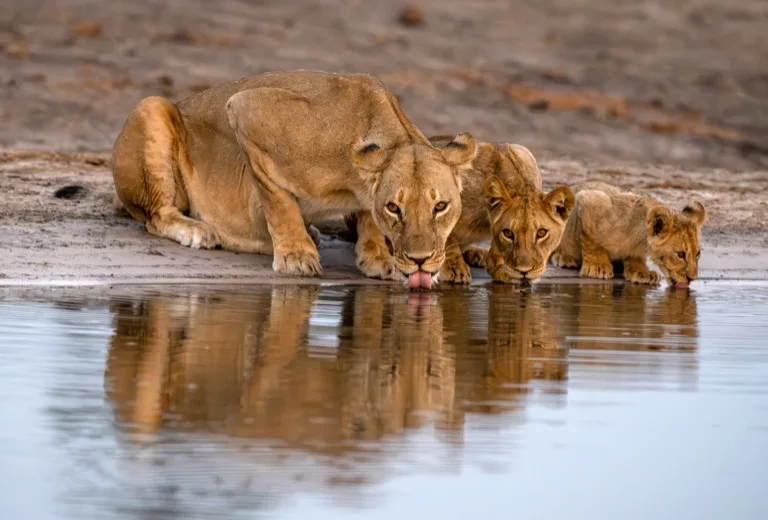
The four main pools that give the park its name are cut-off river channels holding water long after the interior has dried. They concentrate hippo, crocodile, and a steady traffic of animals coming down to drink, and they are the most productive place to simply sit for a few hours.
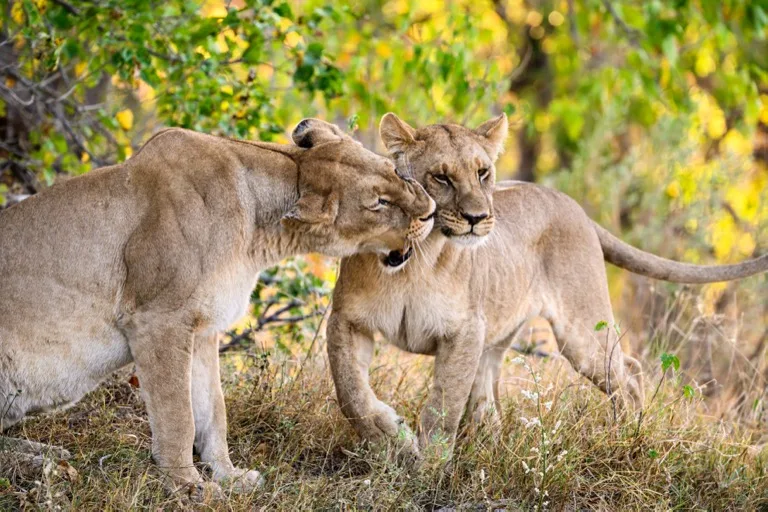
Chitake Spring, inland in the south, is the park's other classic. A permanent spring in an otherwise dry riverbed, it pulls buffalo herds and their predators into a confined space through the late dry season, and lion activity here can be extraordinary. Walking at Chitake is only permitted with a professional guide, and for good reason.
The Zambezi itself is best experienced by canoe, drifting past elephant crossing between islands with fish eagles overhead. Multi-day canoe trails run downstream with camps set up along the way.
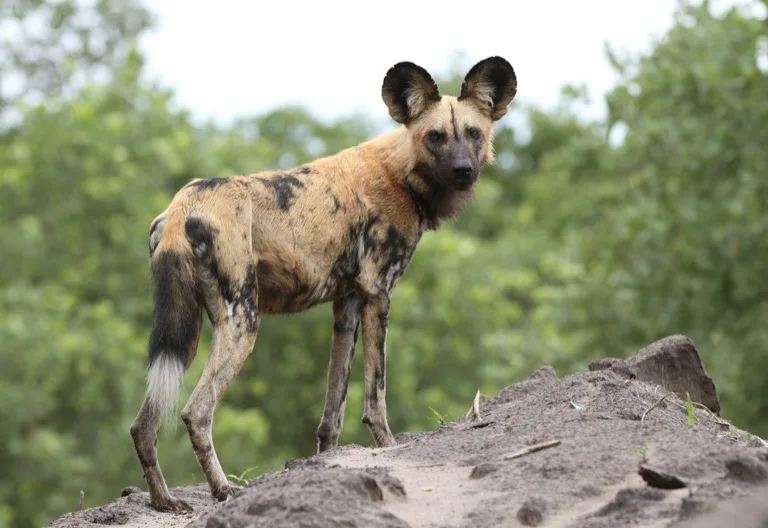
African wild dog are a genuine possibility here — Mana Pools holds one of the better populations in the region — but they range widely and sightings depend on where the pack is denning that season. Ask camps directly rather than assuming.
Practicalities
Mana Pools is one of the very few African parks where experienced visitors may walk unaccompanied, subject to a permit; that is a real privilege and a real risk, and it is not something to attempt without serious bush experience. Most people walk with a professional guide, which is the sensible choice.
The park is a dry-season destination: roughly June to October, with September and October the peak for game concentration and heat. Access roads become impassable in the rains and much of the park closes.
Gallery
Wildlife Species
African Elephant
CommonMammal · Best time: All Day
African Wild Dog
RareMammal · Best time: Morning
Lion
UncommonMammal · Best time: Dawn or Dusk
African Fish Eagle
CommonBird · Best time: Morning
Geography
- Terrain
- Floodplain, river channels, woodland, pools, sandbanks
- Elevation
- About 350-400m
- Climate
- Tropical savanna
- Area
- About 2196 km2
Weather
- Best Months
- JuneJulyAugustSeptemberOctober
- Avg. Temperature
- 10-36°C
- Rainfall
- Low in the dry season
- Humidity
- 25-70%
Getting There
Harare International Airport or bush flights to Mana airstrips
Usually reached by charter or long overland transfer
- Charter flights to bush airstrips
- Guided walking safaris
- Riverfront game drives and canoeing
(Affiliate link — we may earn a commission.)
Tours & Experiences
Local guides substantially improve African Wild Dog sighting odds — compare independent operators and dates for Mana Pools National Park below.
(Affiliate links — we may earn a commission.)
Where to Stay
Seasonal tented camps in Mana Pools
PremiumSafari Camp · Inside or near the park
Check availability on Booking.com →Mobile walking camps
PremiumMobile Camp · In remote river and woodland zones
Check availability on Booking.com →(Affiliate links — we may earn a commission.)