Ngorongoro Conservation Area
Ngorongoro Conservation Area
The Ngorongoro Conservation Area centres on the world's largest intact volcanic caldera, a 600-metre-deep bowl in northern Tanzania holding a resident population of grazers and predators in an extraordinarily compact space. It is strongest for travelers who want dense, reliable big-game viewing and one of East Africa's best chances of black rhino, in a single unforgettable day.
Where to find the wildlife
The crater floor is about 260 square kilometres, entirely enclosed by its rim, and the game inside barely leaves. That is why it delivers so much in so little time — but it also means everyone is working the same small area, and knowing which habitat holds what is the difference between a queue of vehicles and a good morning.
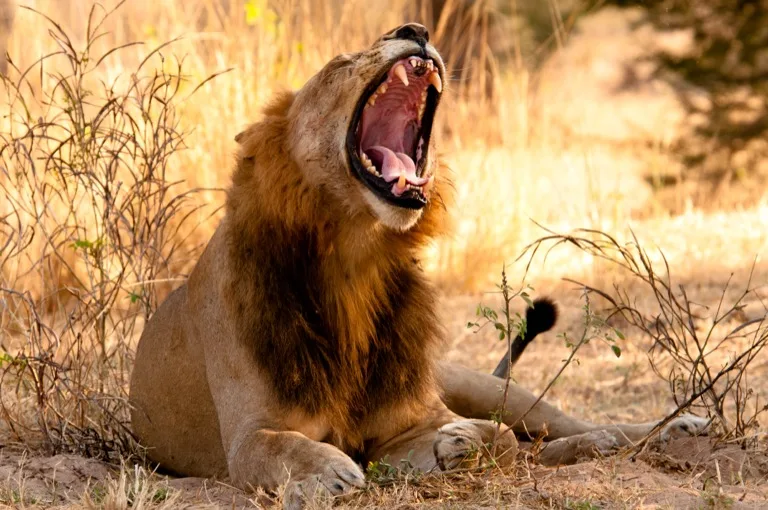
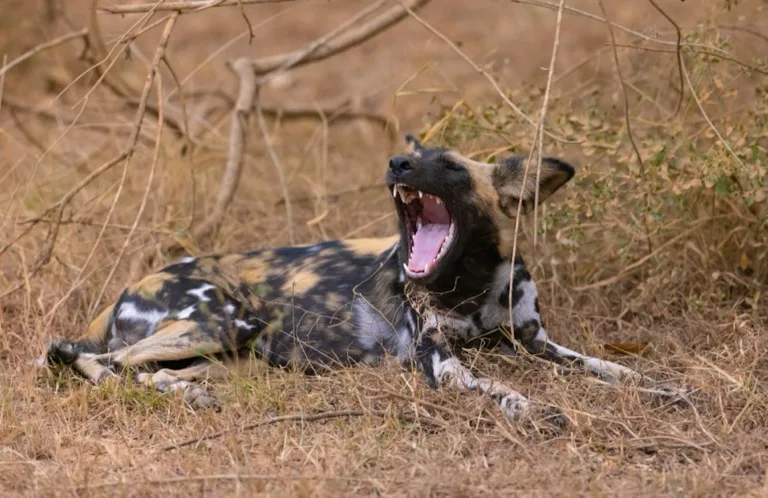
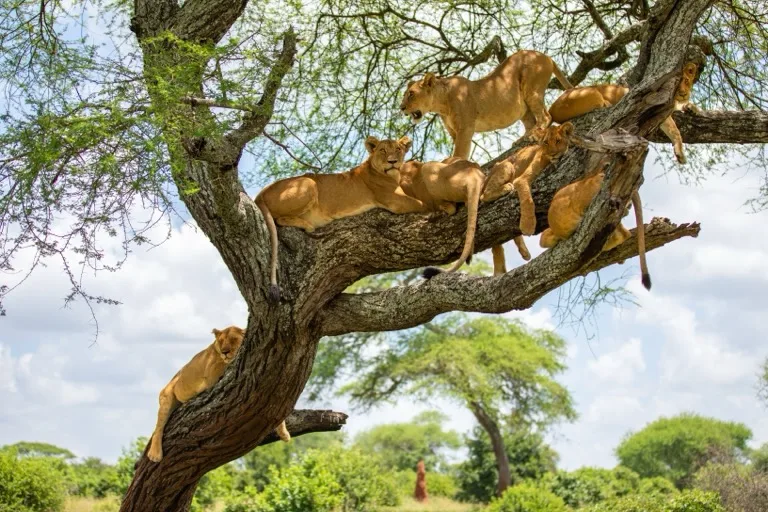
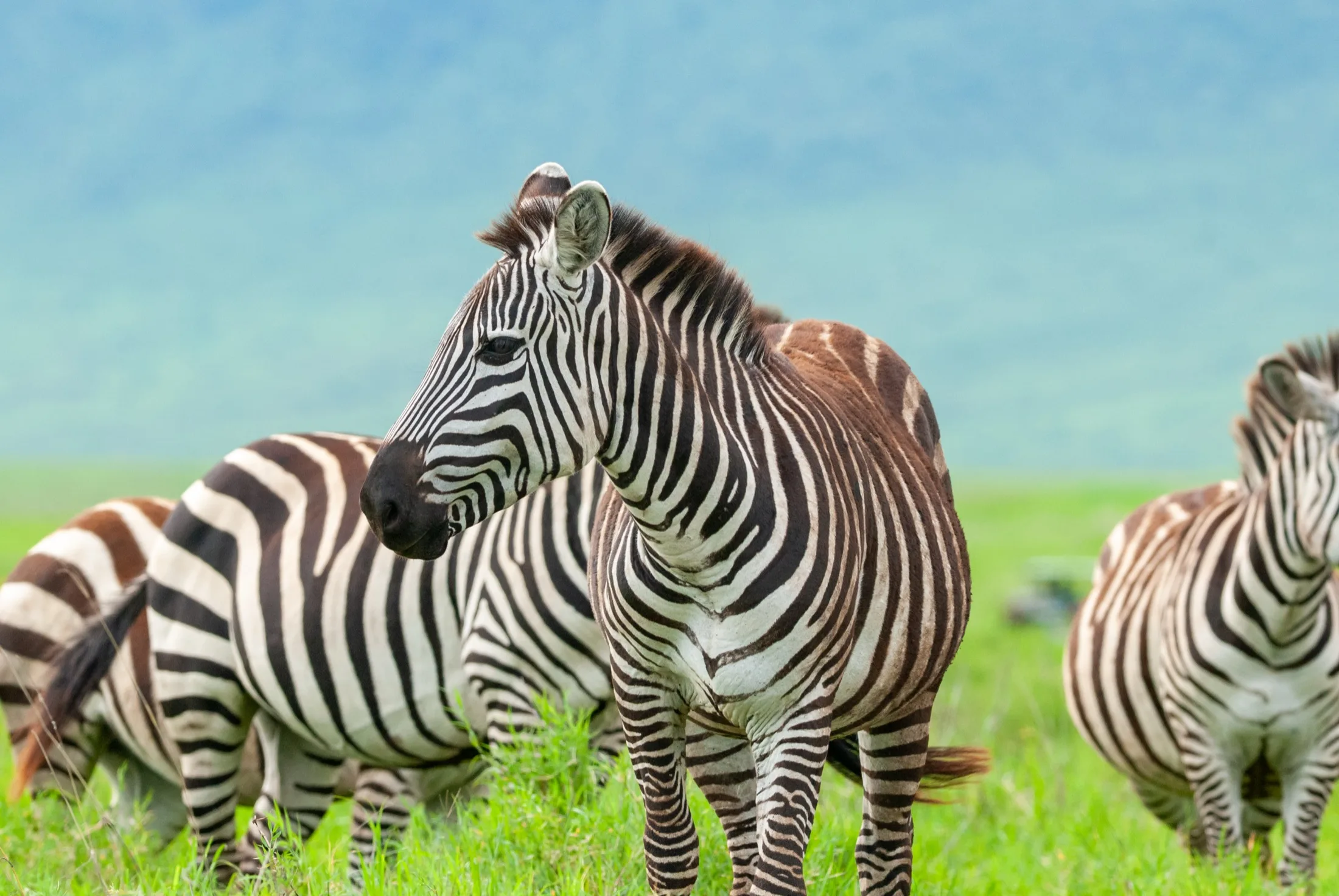
The open grassland across the floor is where lion prides, spotted hyena clans, zebra and wildebeest concentrate, and where the crater's famous density is most obvious. Lions here are habituated to vehicles to a degree that surprises people.
The Lerai Forest, a stand of yellow-barked fever trees in the south, is the best ground for elephant — often big old bulls with heavy tusks — and one of the most reliable areas for black rhino at the start of the day, before they move out onto the plain.
Lake Magadi, the shallow soda lake at the centre, holds flamingos in numbers that swing with water levels and season: sometimes a pink band across the shallows, sometimes almost none. The surrounding marsh and the Munge stream draw hippo and a long list of waterbirds.
Black rhino are the crater's speciality and are usually distant — bring binoculars, and be sceptical of any guide who promises a close view. Descend as early as the gate allows: the first hours are the coolest, the quietest and the best for rhino before the vehicle traffic builds.
Practicalities
Vehicles are limited to a six-hour visit on the crater floor, enforced by rangers, and descent and ascent use designated routes rather than a single road. Fees are charged in several parts — a conservation area fee per person plus a separate crater service fee per vehicle — and rates change, so confirm the current schedule with your operator rather than relying on older figures.
One thing that distinguishes Ngorongoro from a national park: it is a conservation area, not a park, and Maasai pastoralists live and graze cattle within it alongside the wildlife. Seeing herders on the crater rim is not an intrusion on the landscape — it is a deliberate part of how this place is governed.
Gallery
Wildlife Species
Black Rhino
RareMammal · Best time: Morning
African Lion
CommonMammal · Best time: Morning or Late Afternoon
Spotted Hyena
CommonMammal · Best time: All Day
Flamingo
UncommonBird · Best time: When lake levels suit
Geography
- Terrain
- Volcanic crater, grassland, marsh, montane forest, highland rim
- Elevation
- About 1700-2280m
- Climate
- Cool tropical highland
- Area
- About 8292 km2
Weather
- Best Months
- JuneJulyAugustSeptemberOctober
- Avg. Temperature
- 7-26°C
- Rainfall
- Lower in the dry season
- Humidity
- 40-85%
Getting There
Kilimanjaro International Airport or Arusha Airport
Usually reached by overland safari route from Arusha or Lake Manyara
- Road transfer from Arusha
- Guided crater descents
- Combination with Serengeti safaris
(Affiliate link — we may earn a commission.)
Tours & Experiences
Local guides substantially improve Black Rhino sighting odds — compare independent operators and dates for Ngorongoro Conservation Area below.
(Affiliate links — we may earn a commission.)
Where to Stay
Crater rim lodges
PremiumSafari Lodge · On or near the crater rim
Check availability on Booking.com →Karatu safari lodges
Mid-range to PremiumLodge · Outside the main conservation area
Check availability on Booking.com →(Affiliate links — we may earn a commission.)