Nyerere National Park
Nyerere National Park
Nyerere National Park is one of Africa's largest protected areas, a vast southern Tanzanian wilderness of miombo woodland, lakes, and the Rufiji river, carved from the former Selous Game Reserve. It is strongest for travelers who want boat safaris, walking, and a genuine sense of remoteness rather than a crowded circuit.
Where to find the wildlife
The park is enormous and thinly developed, and the game is concentrated in the north around the Rufiji river and its chain of lakes. That is where all the camps are and where a visit should be spent — the interior is trackless miombo that offers little to a short visit.
The Rufiji river is the reason to come here rather than to a northern-circuit park. Boat safaris drift past hippo pods, enormous crocodiles and elephants coming down to drink, with skimmers working the sandbars and fish eagles overhead. Seeing big game from water rather than a vehicle is a genuinely different experience and Nyerere does it as well as anywhere in East Africa.
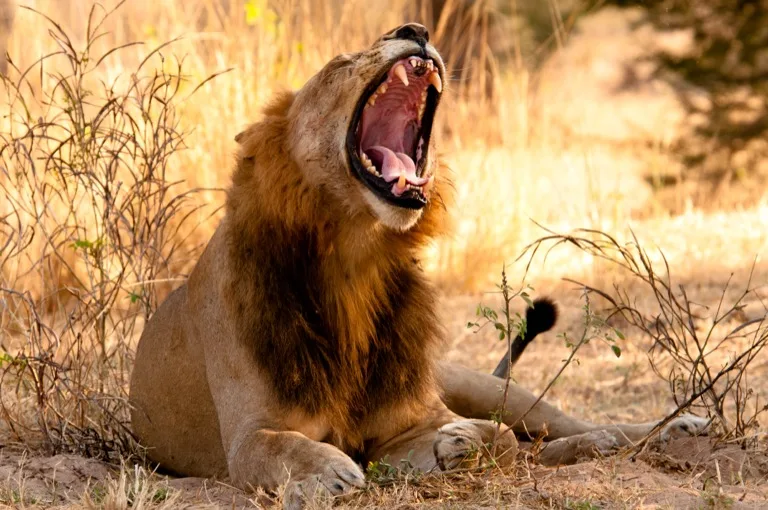
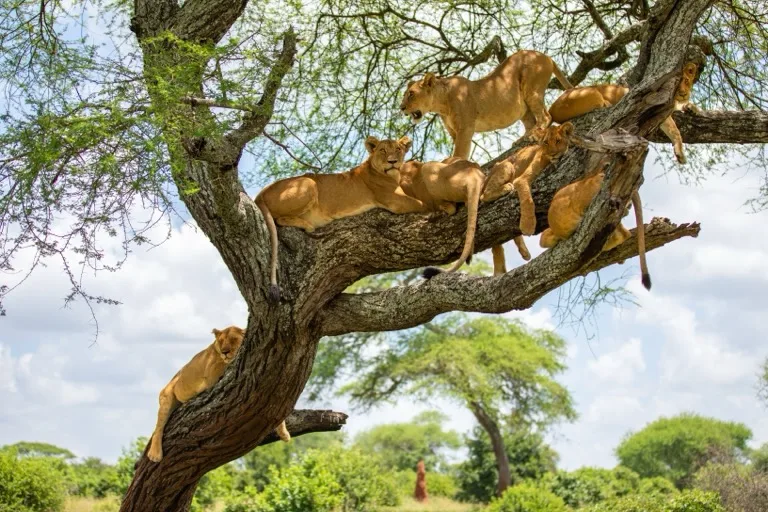
The lake system — Tagalala, Manze, Nzerakera and the others — are shallow, palm-fringed lakes left by the shifting river. They hold the highest concentrations of game in the dry season and are the best areas for lion and for the park's large buffalo herds.
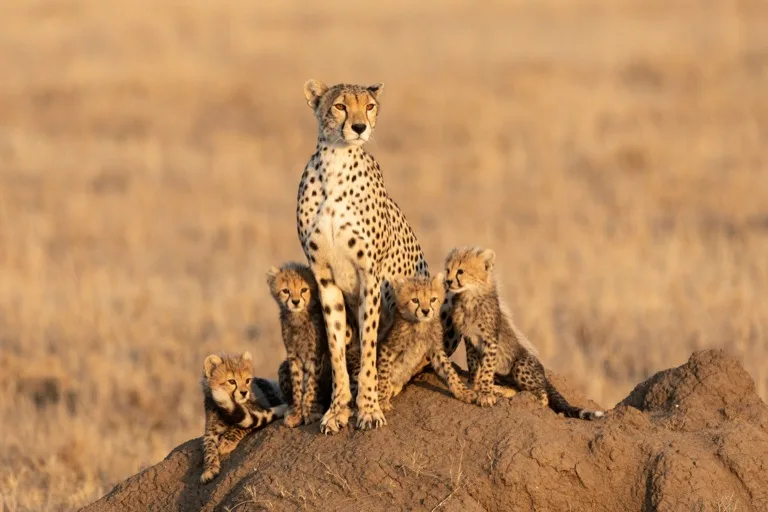
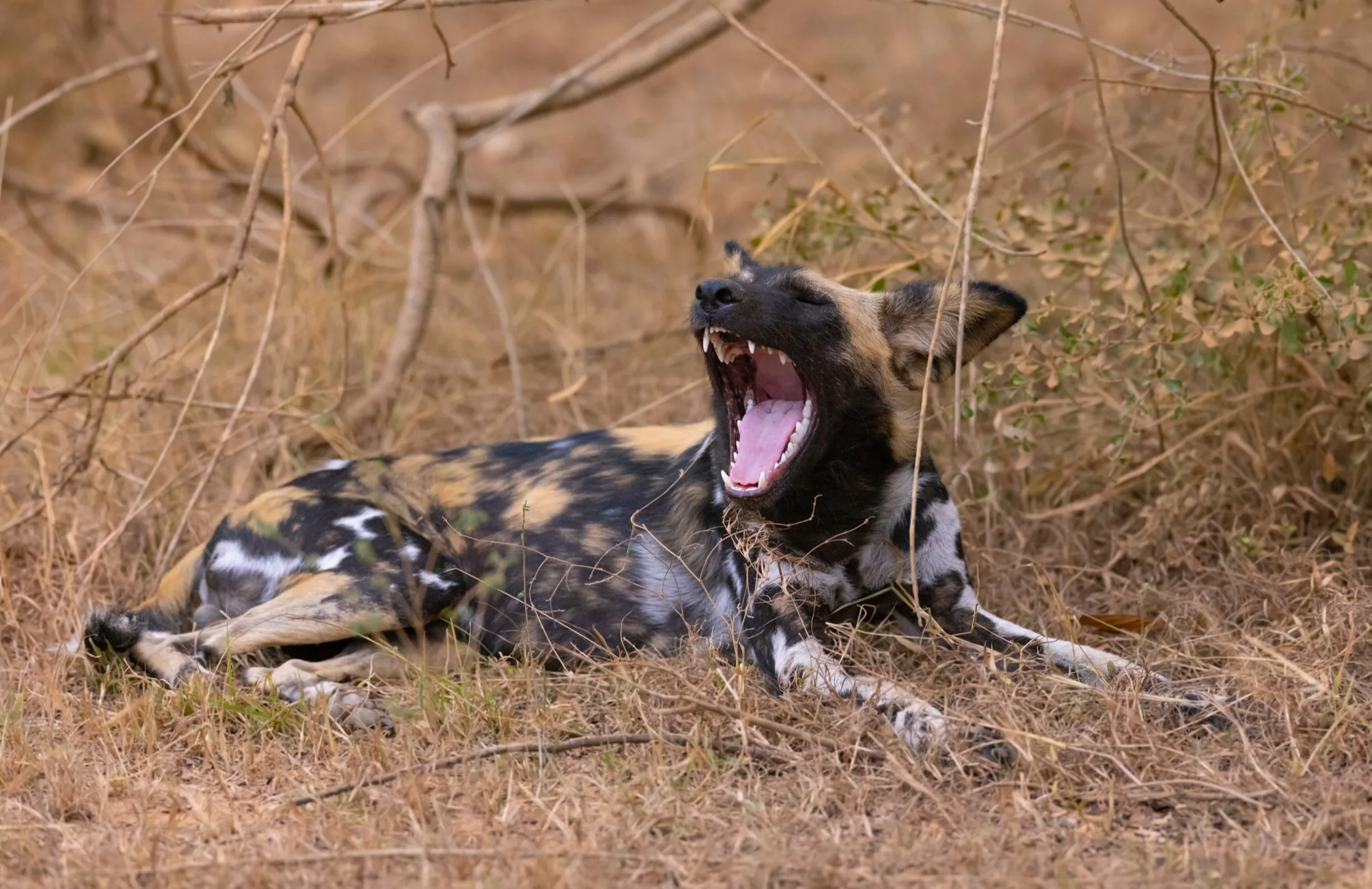
The woodland and sand rivers away from the water are where African wild dog are found. Nyerere holds one of the largest remaining populations on the continent, and packs den here in the middle of the year.
Walking safaris are permitted and are part of what defines the place. Guided walks work the riverine forest and lake margins, at a completely different pace from a vehicle.
The dry season from June to October concentrates game and is when most camps operate; several close through the rains from March to May.
Practicalities
Access is by light aircraft from Dar es Salaam — under an hour — or a long drive. Nyerere pairs naturally with Ruaha for a southern circuit that sees a fraction of the visitor numbers of the north.
One piece of context worth knowing: the park was created from the northern photographic section of the Selous, and a controversial hydropower dam has been built on the Rufiji within the wider ecosystem. It is worth reading about where you are before you go.
Gallery
Wildlife Species
African Wild Dog
RareMammal · Best time: Dry season
Elephant, buffalo, and hippo
CommonMammal · Best time: Dry season
Lion and leopard
UncommonMammal · Best time: Morning and evening
Waterbirds and fish eagles
CommonBird · Best time: River trips
Geography
- Terrain
- River channels, oxbow lakes, woodland, floodplain, bush country
- Elevation
- Lowland river basin
- Climate
- Tropical savanna and riverine
- Area
- Immense national park across former Selous core sectors
Weather
- Best Months
- JuneJulyAugustSeptemberOctober
- Avg. Temperature
- 18-36°C
- Rainfall
- Dry season is the defining safari period
- Humidity
- 30-80%
Getting There
Dar es Salaam with domestic fly-in access or long overland route
Usually used as a fly-in or dedicated southern-circuit safari destination
- Boat safari on Rufiji channels
- Game drives in southern Tanzania camps
- Combined Nyerere and Ruaha route
(Affiliate link — we may earn a commission.)
Tours & Experiences
Local guides substantially improve African Wild Dog sighting odds — compare independent operators and dates for Nyerere National Park below.
(Affiliate links — we may earn a commission.)
Where to Stay
Fly-in safari lodges and camps
PremiumSafari Camp · Inside core wildlife sectors
Check availability on Booking.com →River camps and classic bush lodges
Mid-range to PremiumCamp or Lodge · Near game-drive and boat areas
Check availability on Booking.com →(Affiliate links — we may earn a commission.)