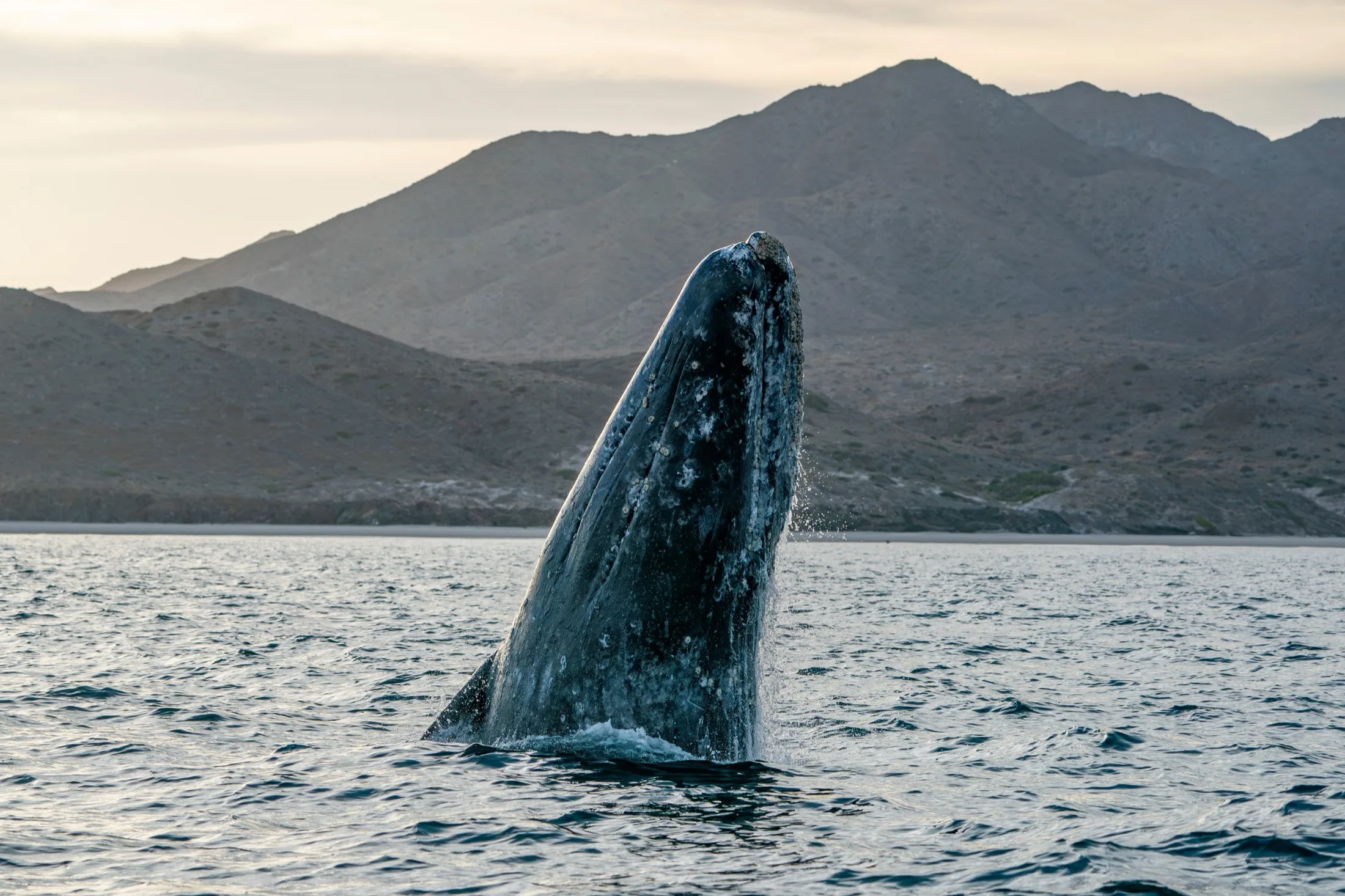
Whale Sanctuary of El Vizcaino
Whale Sanctuary of El Vizcaino
The Whale Sanctuary of El Vizcaíno protects the Baja California lagoons where the entire eastern Pacific grey whale population comes to calve, producing the most intimate whale encounters on Earth. It is strongest for travelers who want to be approached by wild whales rather than merely to watch them.
Where to find the wildlife
What happens here is genuinely unusual: after a migration of roughly 10,000 kilometres from the Arctic, grey whales gather in a handful of shallow, saline lagoons to give birth — and some of them choose to approach small boats and stay alongside them. It is the whales' decision, not the operator's, which is why the experience cannot be guaranteed and why the etiquette matters.
Laguna Ojo de Liebre, near Guerrero Negro, is the largest calving lagoon and holds the greatest number of whales. Trips leave from a shoreline launch and reach the whale areas quickly, making this the most practical option for a short visit.
Laguna San Ignacio is the one with the reputation for friendly whales. Mothers bring calves alongside the pangas and hold them there, apparently deliberately, close enough to touch when the whale offers. Camps on the lagoon shore let you go out morning and afternoon across several days, which is what turns a good trip into an extraordinary one.
The desert around the lagoons is worth its own morning: this is Vizcaíno Biosphere Reserve, with pronghorn, coyote, osprey nesting on the salt flats and a long list of shorebirds on the tidal margins.
The salt works at Guerrero Negro, improbably, are among the best birding in Baja, with tens of thousands of waders and wildfowl on the evaporation ponds.
The season runs from roughly January to April, peaking in February and March when calves are numerous and the friendly behaviour is most frequent. Outside those months the whales are simply not there.
Practicalities
Whale watching in the lagoons is regulated: only permitted operators may take boats out, numbers on the water at any time are limited, and boats must let whales make the approach rather than pursue them. Book with a licensed operator rather than negotiating on a beach.
Guerrero Negro is roughly ten hours' drive south of Tijuana or a short flight; San Ignacio's camps are more remote and are usually booked as multi-day packages that include transfers, meals and daily boat time.
Gallery
Wildlife Species
Gray Whale
CommonMammal · Best time: January to March
Blue Whale
UncommonMammal · Best time: Seasonal offshore windows
California Sea Lion
CommonMammal · Best time: All Day
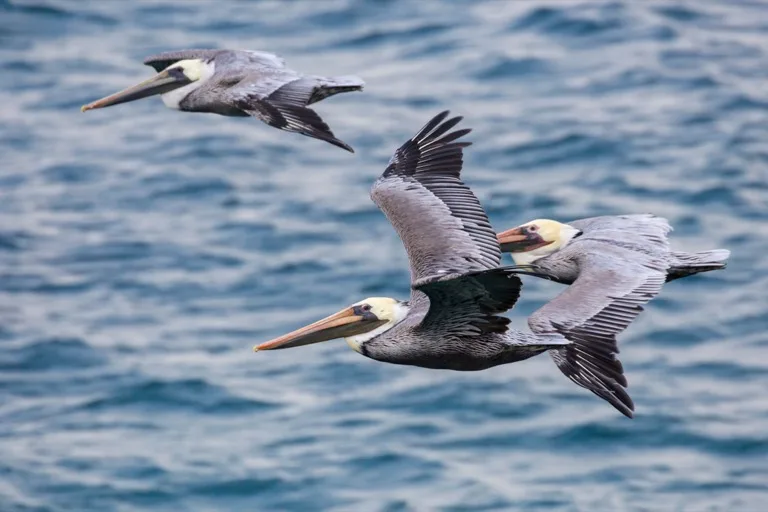
Brown Pelican
CommonBird · Best time: All Day
Geography
- Terrain
- Pacific whale lagoons, desert coast, islands, dunes, marine waters
- Elevation
- Sea level to low desert relief
- Climate
- Arid coastal desert
- Area
- About 25500 km2
Weather
- Best Months
- JanuaryFebruaryMarch
- Avg. Temperature
- 10-32°C
- Rainfall
- Low, with sea conditions and seasonal whale presence shaping the trip far more than rain
- Humidity
- 30-85%
Getting There
Loreto, La Paz, or regional Baja airports followed by long overland transfers to whale lagoons
The main sanctuaries require serious driving or organized transport across remote Baja sectors
- Boat trips to gray whale lagoons
- Seasonal whale-focused guided tours
- Extended Baja wildlife and photography itineraries
(Affiliate link — we may earn a commission.)
Tours & Experiences
Local guides substantially improve Blue Whale sighting odds — compare independent operators and dates for Whale Sanctuary of El Vizcaino below.
(Affiliate links — we may earn a commission.)
Where to Stay
Simple hotels and ecotourism camps near lagoon gateways
Budget to Mid-rangeCamp · Closest to whale excursions
Check availability on Booking.com →Lodges and hotels in Baja base towns
Mid-rangeHotel · Used before and after long transfers
Check availability on Booking.com →(Affiliate links — we may earn a commission.)