Cairngorms National Park
Cairngorms National Park
The Cairngorms National Park is Britain's largest, an Arctic-alpine plateau and remnant Caledonian pine forest in the Scottish Highlands holding species that occur nowhere else in the country. It is strongest for travelers who want British wildlife at its most northern and a landscape closer to Scandinavia than to England.
Where to find the wildlife
The park stacks habitats by altitude — pine forest, moorland, then a sub-Arctic plateau — and the species change completely as you climb. Most of the wildlife is found in the forest and along the roads; the plateau species demand a serious walk.
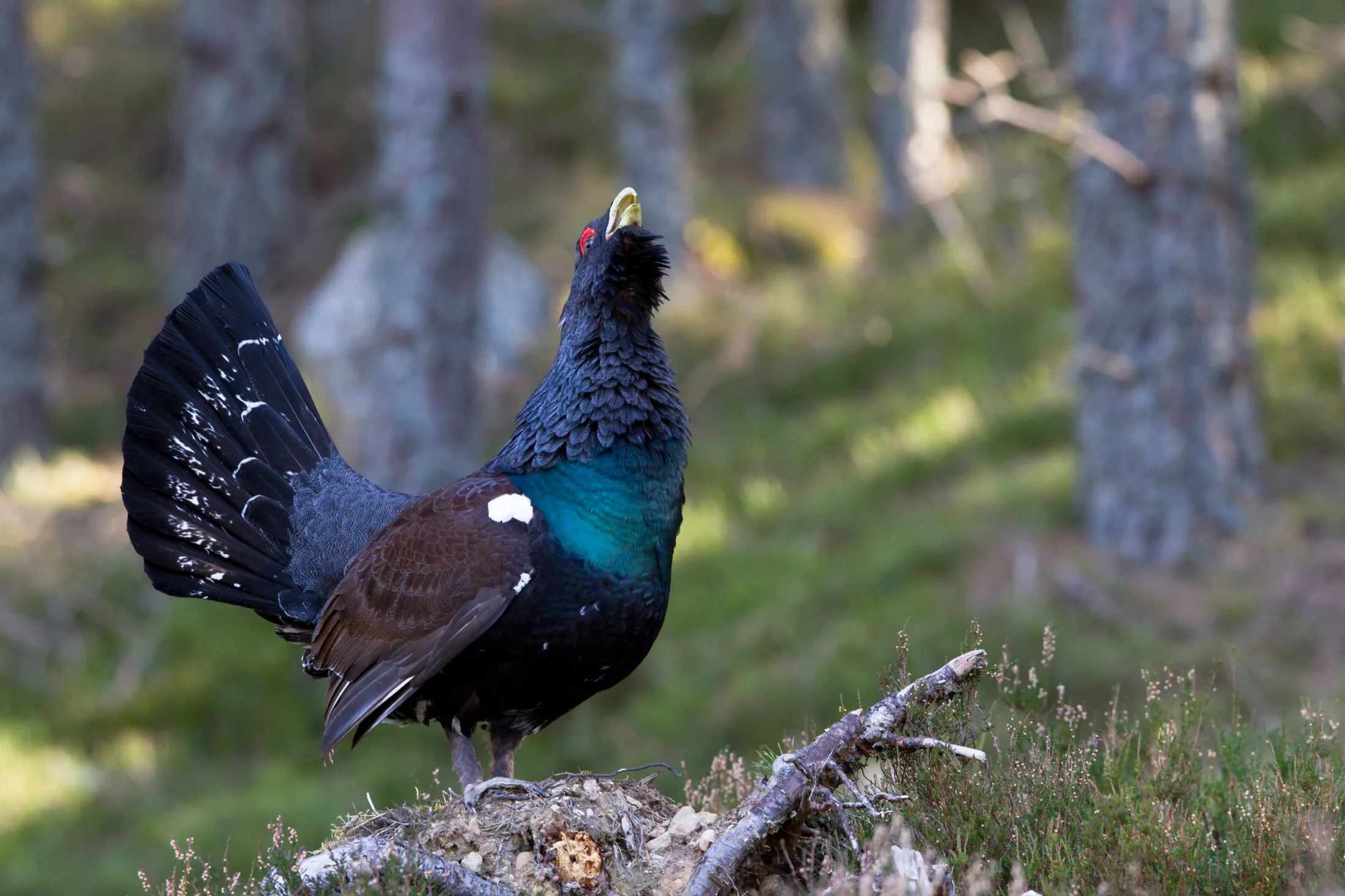
The Caledonian pine forest at Abernethy, Rothiemurchus and Glenmore is the heart of it. Capercaillie — a turkey-sized grouse now perilously close to extinction in Britain — survives here, along with crested tit, Scottish crossbill (Britain's only endemic bird species) and red squirrel, which are common at forest feeding stations.
The Loch Garten and Insh Marshes reserves hold ospreys through the summer, with nest cameras and hides, plus goldeneye, and in winter geese and whooper swans on the marshes.
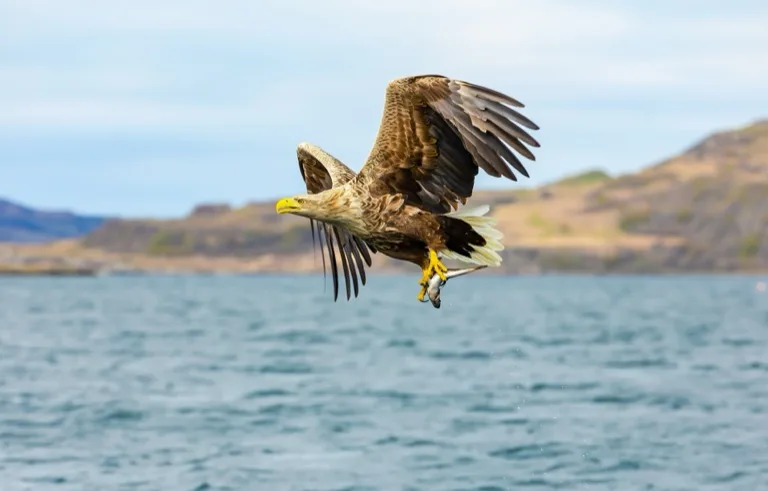
The moorland and glens hold red deer in large numbers, mountain hare turning white in winter, and raptors — golden eagle, and the hen harriers whose persecution on grouse moors remains a live and bitter issue in Scotland.
The plateau above 1,000 metres is Arctic in character and holds ptarmigan, dotterel and snow bunting, along with the reindeer herd introduced to the Cairngorm slopes, which can be visited on guided hill walks.
The rivers hold otter, dipper and, in autumn, salmon running upstream.
Spring brings displaying birds and long days; autumn brings the deer rut and colour; winter turns the plateau genuinely dangerous but delivers mountain hares in white and the best chance of snow.
Practicalities
Aviemore is the main base, on the train line from Edinburgh and Inverness. A car helps for the outlying reserves.
Capercaillie are so threatened that some forests ask visitors to keep to paths and avoid certain areas in spring — and lek viewing is generally discouraged. Respect the signage; disturbance is one of the pressures driving the decline. Plateau weather kills people every year: it is Arctic ground, and it needs to be treated that way.
Gallery
Wildlife Species
Red Deer
CommonMammal · Best time: Dawn or Dusk
Mountain Hare
CommonMammal · Best time: Morning
Capercaillie
RareBird · Best time: Spring
Golden Eagle
UncommonBird · Best time: Late Morning
Geography
- Terrain
- Pine forest, moorland, rivers, mountains, glens
- Elevation
- 200-1,300m
- Climate
- Cool upland maritime
- Area
- Large upland national park
Weather
- Best Months
- MayJuneSeptemberOctober
- Avg. Temperature
- -10 to 20°C
- Rainfall
- Moderate to high
- Humidity
- 60-90%
Getting There
Inverness or Aberdeen Airport
Road and rail access through Aviemore and surrounding towns
- Base in Aviemore or Grantown
- Hiking and driving wildlife routes
- Guided lek and photography sessions
(Affiliate link — we may earn a commission.)
Tours & Experiences
Local guides substantially improve Capercaillie sighting odds — compare independent operators and dates for Cairngorms National Park below.
(Affiliate links — we may earn a commission.)
Where to Stay
Hotels and lodges in Aviemore
Mid-rangeHotel · Central park base
Check availability on Booking.com →Guesthouses in Speyside and Deeside villages
Budget to Mid-rangeGuesthouse · Distributed wildlife bases
Check availability on Booking.com →(Affiliate links — we may earn a commission.)