Isle of Mull
Isle of Mull
The Isle of Mull is Scotland's best wildlife island, a Hebridean landscape of sea lochs, moorland, and basalt cliffs holding white-tailed eagles, otters, and some of Britain's most reliable whale watching. It is strongest for travelers who want dense, varied wildlife in a place small enough to work in a few days.
Where to find the wildlife
Mull's wildlife is unusually concentrated because the island packs sea, freshwater and upland habitat into a compact space with a single-track road system running through all of it. Much of the best watching is done from the car and from the shoreline rather than on long walks.
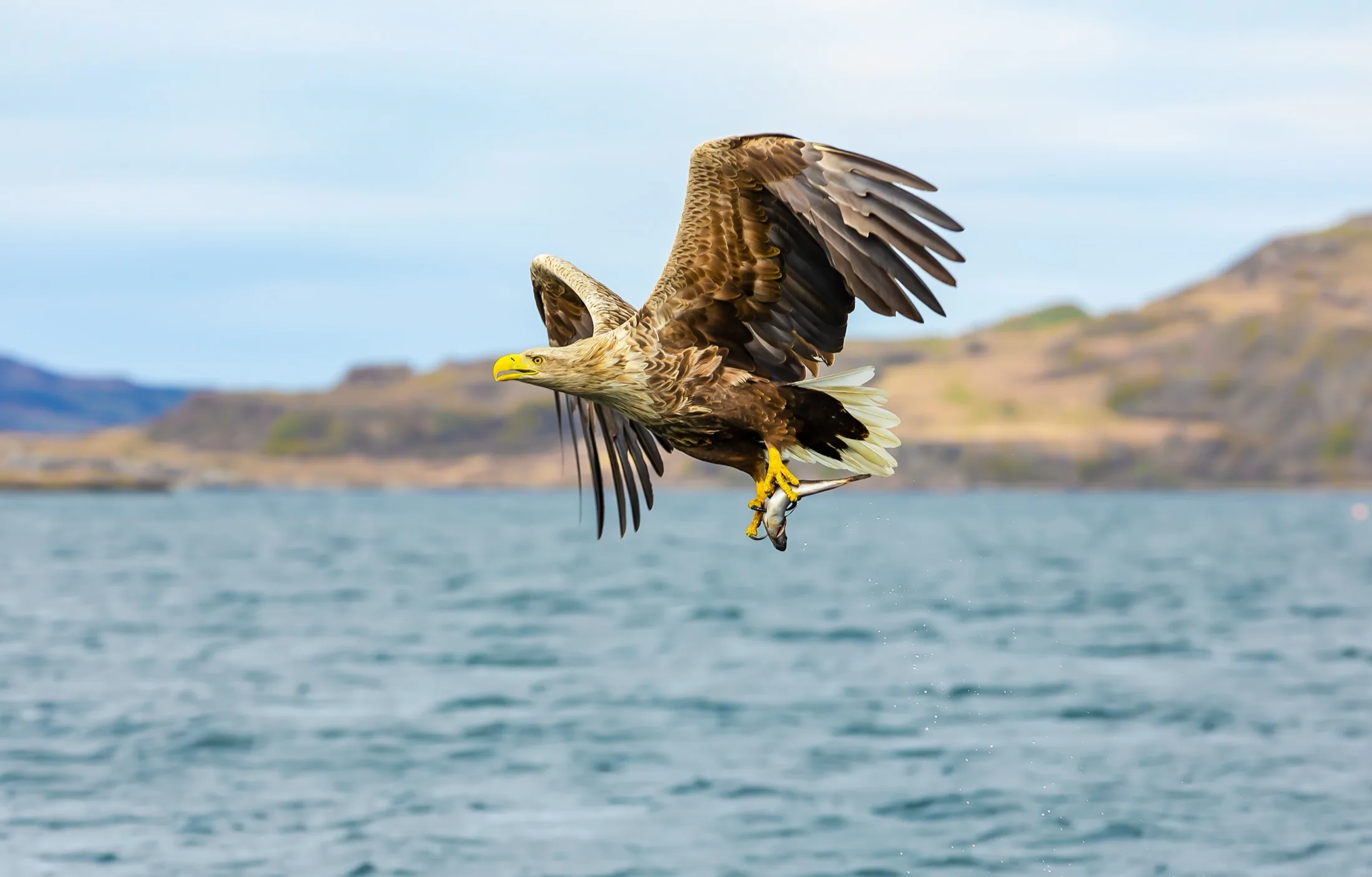
Loch na Keal and Loch Scridain are the eagle lochs. White-tailed eagles — reintroduced to Scotland and now breeding well here — nest on the shores and fish the water, and the sight of a bird with a two-and-a-half-metre wingspan lifting a fish is Mull's signature. Golden eagles hold the higher ground behind, and telling the two apart in flight is the local skill worth learning.
The rocky shorelines at low tide are otter country. Mull holds one of the densest otter populations in Britain, and they hunt the kelp along the loch edges through the day — unlike English otters, these are coastal and diurnal. Scan the tideline slowly, watch for a wake, and stay downwind.
The waters off the north and west, worked by boat from Tobermory and Ulva Ferry, hold minke whales, harbour porpoise, common and bottlenose dolphins and basking sharks through the summer, with a real chance of orca in some years.
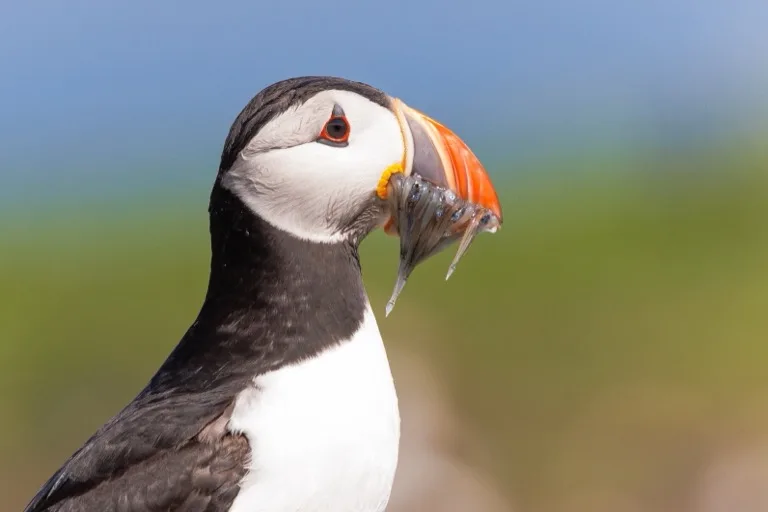
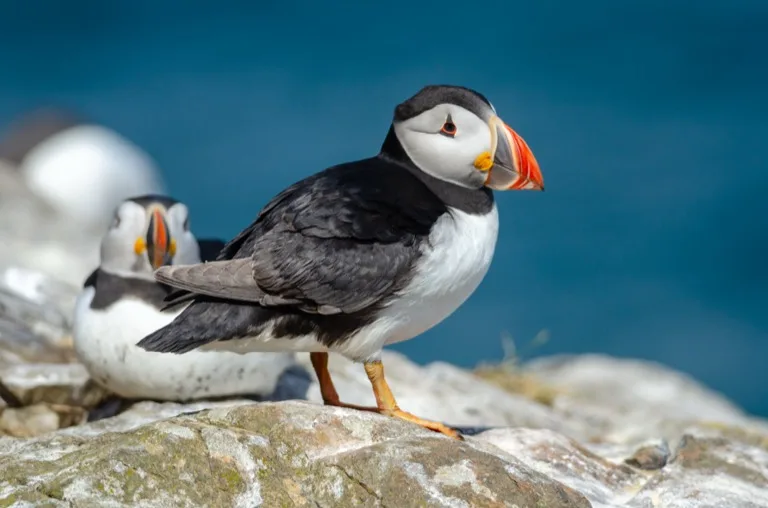
The Treshnish Isles and Staffa, reached by boat, hold puffins at close range from about April to early August, alongside Staffa's basalt columns and Fingal's Cave.
The moorland and glens hold hen harrier, short-eared owl, red deer everywhere, and mountain hare on the tops.
April to August is the fullest season, with seabirds, whales and long days. Autumn brings the red deer rut; winter brings divers, geese and a very quiet island.
Practicalities
Ferries run from Oban to Craignure and are best booked ahead with a car in summer. Single-track roads with passing places take longer than the map suggests — allow far more time than distances imply. Local wildlife guides know exactly which eagle nests are active and which otter holts are in use, and are worth a day.
Gallery
Wildlife Species
White-tailed Eagle
UncommonBird · Best time: Morning or Late Afternoon
Otter
UncommonMammal · Best time: Dawn or Dusk
Golden Eagle
UncommonBird · Best time: Midday thermals
Harbor Seal
CommonMammal · Best time: Low Tide and Calm Conditions
Geography
- Terrain
- Sea lochs, moorland, cliffs, coastal pasture, woodland, offshore islands
- Elevation
- Sea level to over 900m
- Climate
- Atlantic maritime
- Area
- Large Hebridean island and surrounding coastal waters
Weather
- Best Months
- AprilMayJuneSeptember
- Avg. Temperature
- 4-19°C
- Rainfall
- Moderate to high with quickly changing weather
- Humidity
- 70-95%
Getting There
Glasgow Airport with road and ferry access via Oban or internal island connections
Usually reached by ferry from Oban or Lochaline after a long overland approach
- Drive and ferry to Craignure
- Boat trips for eagles and marine wildlife
- Self-drive island wildlife circuit
(Affiliate link — we may earn a commission.)
Tours & Experiences
Local guides substantially improve White-tailed Eagle sighting odds — compare independent operators and dates for Isle of Mull below.
(Affiliate links — we may earn a commission.)
Where to Stay
Hotels and guesthouses in Tobermory
Mid-rangeHotel · Main base for northern Mull
Check availability on Booking.com →Island cottages and inns around Craignure and Bunessan
Budget to Mid-rangeGuesthouse · Spread across key island sectors
Check availability on Booking.com →(Affiliate links — we may earn a commission.)