Camargue
Camargue
The Camargue is the Rhône delta where it meets the Mediterranean, a flat expanse of lagoons, salt pans, and reedbed in southern France famous for flamingos, white horses, and black bulls. It is strongest for birders and photographers who want a distinctive cultural landscape alongside excellent wildlife.
Where to find the wildlife
The Camargue is a working landscape as much as a reserve — rice fields, salt production and bull ranching all shape it — and its wildlife is concentrated in the brackish lagoons and the managed reserves rather than spread evenly. A few key sites deliver most of it.
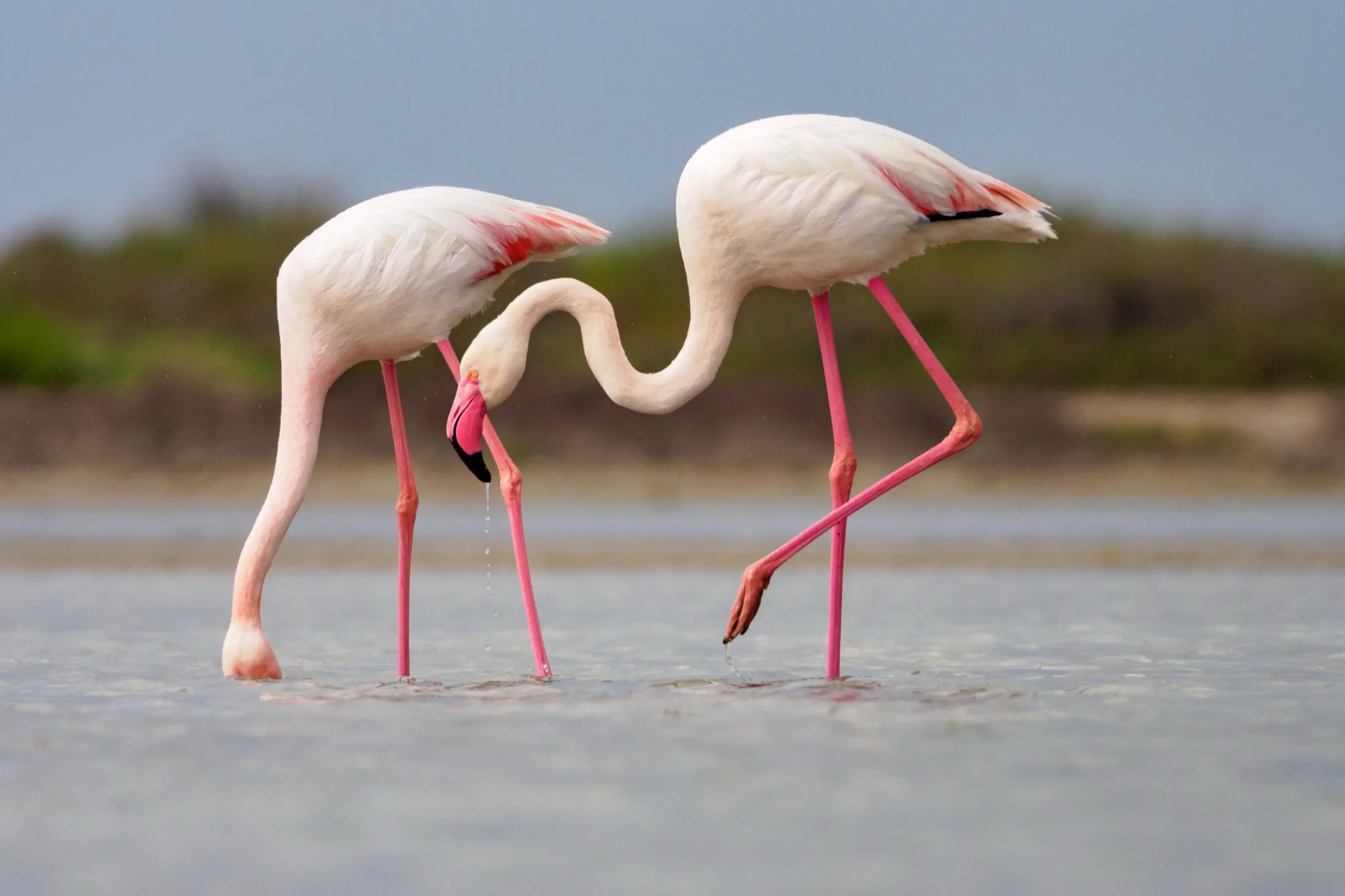
The Étang de Vaccarès and the Réserve Nationale form the core, with observation points around the edges. This is where the greater flamingos are — the Camargue holds the only regular breeding colony in France, and thousands of birds are present year-round on the lagoons.
The Pont de Gau ornithological park is the reliable close-range option: a managed reserve with paths through the marsh where flamingos, herons and egrets are habituated and easily photographed. It is not wild in the strict sense, but it is where most of the famous images come from.
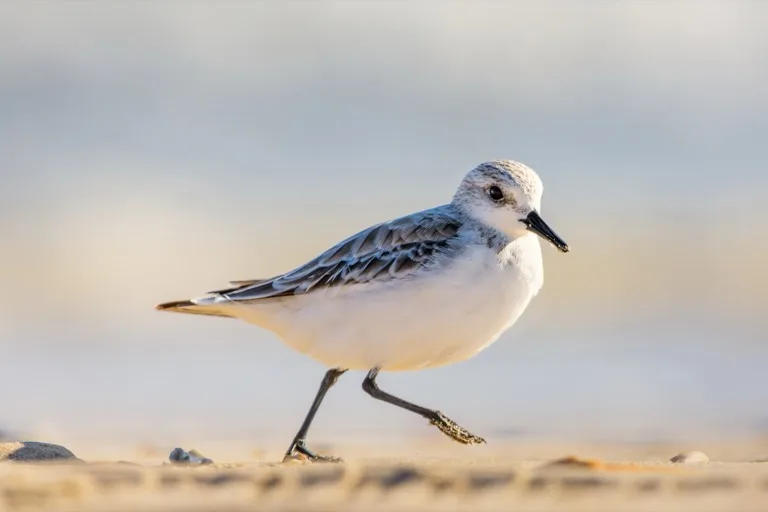
The Salin de Giraud salt pans in the southeast hold waders in numbers on migration — avocets, stilts, sandpipers — against pink salt water, and the sea wall track along them is excellent for scanning.
The reedbeds and rice fields hold bitterns, purple herons, glossy ibis and marsh harriers, with rollers and bee-eaters on the drier margins in summer.
The horses and bulls are semi-feral, managed by the gardians who work the ranches, and are part of what makes this landscape what it is.
Spring, from April to June, is the peak for breeding birds and comfortable weather. Autumn migration is strong; winter brings ducks and a stark, empty beauty. Mosquitoes are serious in summer.
Practicalities
Arles is the usual base, with Saintes-Maries-de-la-Mer at the delta's heart. A car is needed; the sites are spread and public transport is thin.
Much of the delta is private land — stick to the designated tracks and reserves. The Mistral wind blows hard and cold for days at a time and can shut down photography entirely.
Gallery
Wildlife Species
Greater Flamingo
CommonBird · Best time: All Day
Black-winged Stilt
CommonBird · Best time: Spring
Purple Heron
UncommonBird · Best time: Early Morning
Little Tern
UncommonBird · Best time: Late Spring
Geography
- Terrain
- Lagoons, reedbeds, salt flats, marshes, coastal dunes
- Elevation
- Sea level
- Climate
- Mediterranean coastal
- Area
- Broad delta and wetland region
Weather
- Best Months
- AprilMaySeptemberOctober
- Avg. Temperature
- 5-31°C
- Rainfall
- Low to moderate
- Humidity
- 50-85%
Getting There
Marseille or Montpellier Airport
Road access via Arles and Saintes-Maries-de-la-Mer
- Rental car around reserves
- Observation hides and dikes
- Cycling and self-guided birding
(Affiliate link — we may earn a commission.)
Tours & Experiences
Local guides substantially improve Purple Heron sighting odds — compare independent operators and dates for Camargue below.
(Affiliate links — we may earn a commission.)
Where to Stay
Hotels in Saintes-Maries-de-la-Mer
Mid-rangeHotel · Near reserves
Check availability on Booking.com →Guesthouses around Arles
Budget to Mid-rangeGuesthouse · Regional base
Check availability on Booking.com →(Affiliate links — we may earn a commission.)