Varanger Peninsula / Hornoya
Varanger Peninsula / Hornoya
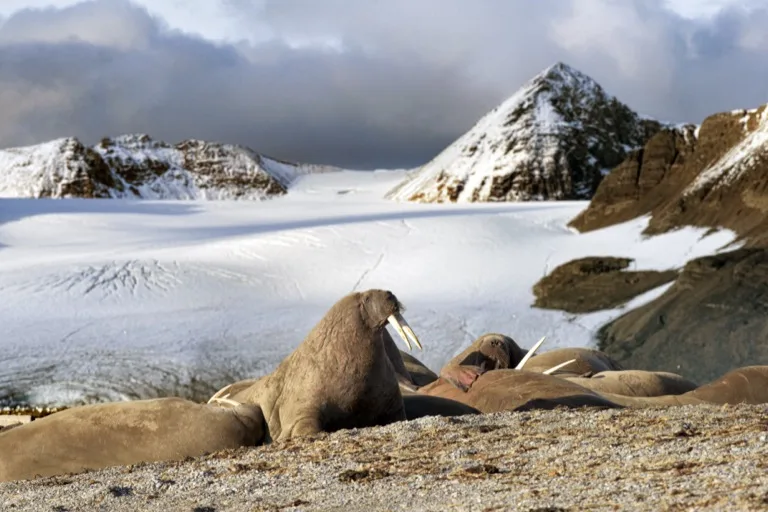
The Varanger Peninsula and the seabird island of Hornøya form Europe's most accessible Arctic birding destination, a treeless northeastern corner of Norway where high-Arctic seabirds, sea ducks, and tundra species can be watched from the roadside and from cliff-top paths. It is strongest for birders and photographers who want Arctic specialities without an expedition.
Where to find the wildlife
Varanger works because the Gulf Stream keeps the fjord ice-free while the surrounding land is genuine Arctic tundra. That combination puts high-Arctic seabirds and sea ducks within a short drive of a paved road and a hotel — a rarity at this latitude, and the reason it has become a photography destination.
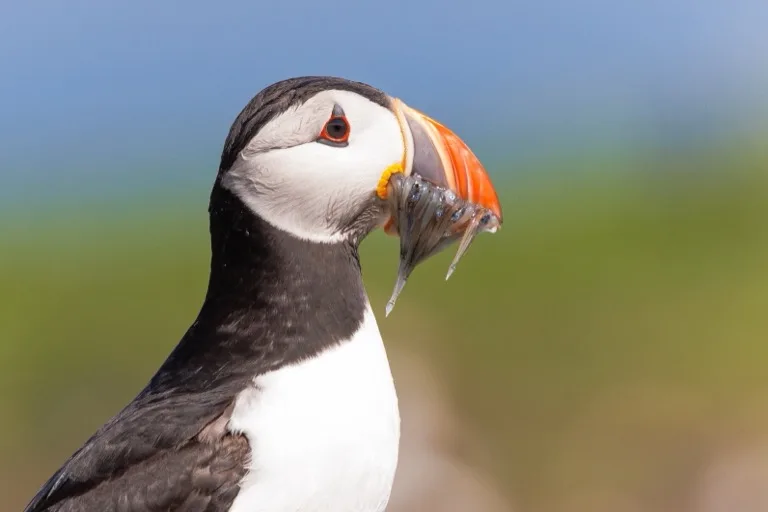
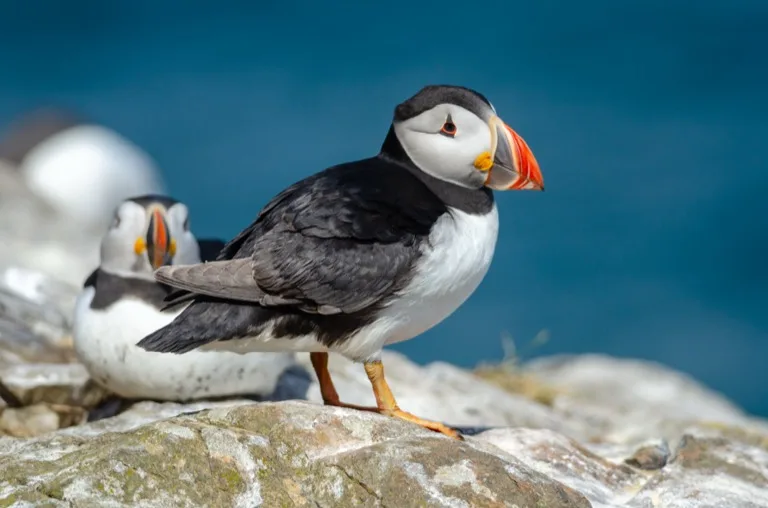
Hornøya, a short boat ride from Vardø, is the seabird island. A path climbs through nesting colonies of common and Brünnich's guillemots, razorbills, kittiwakes, shags and puffins, with birds at arm's length either side of the trail. The colony is occupied from around March to July; March and April are the photographers' months, with snow, low light and full cliffs.
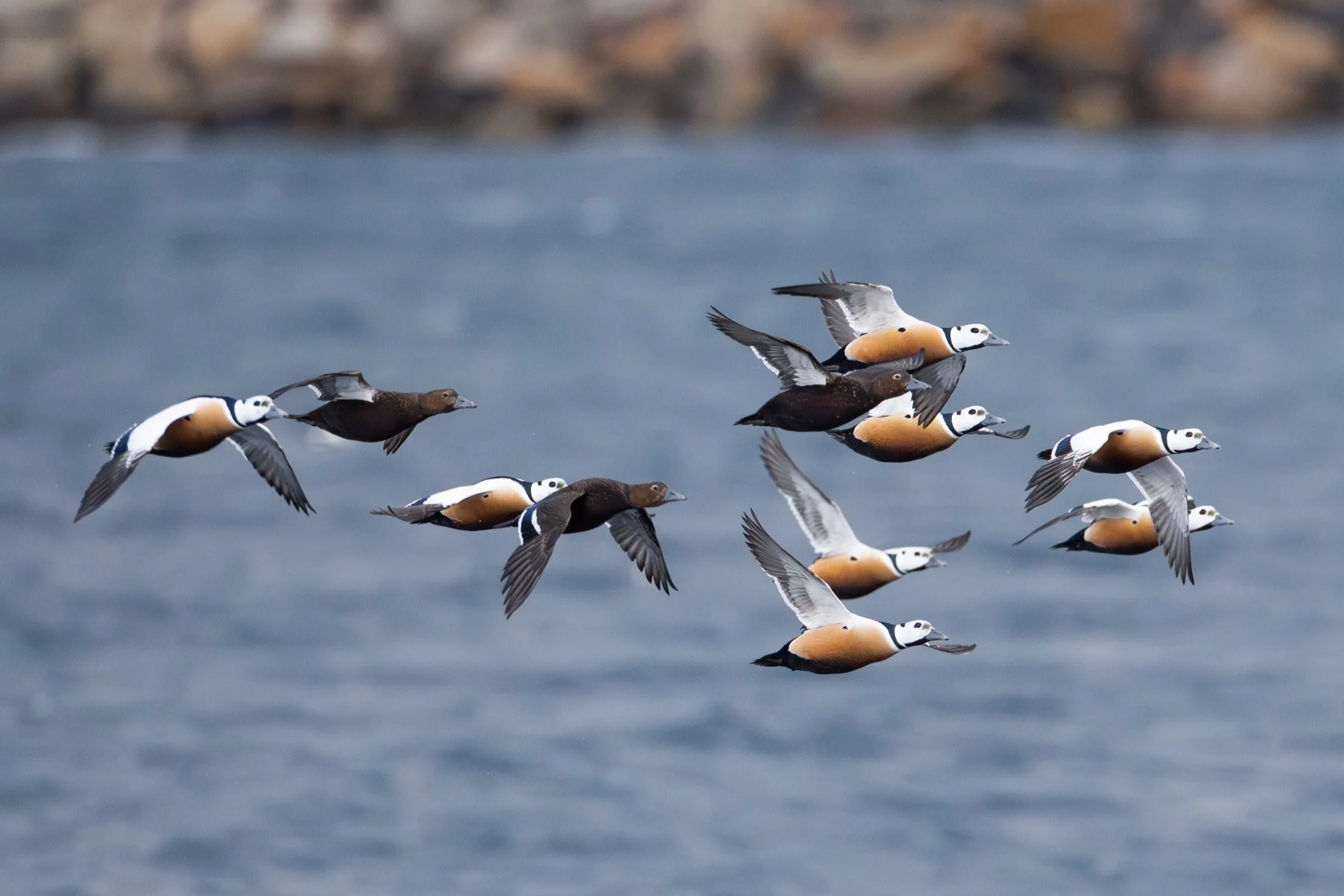
The fjord shorelines around Vadsø, Nesseby and Vardø hold the winter sea ducks. King eider and Steller's eider — the latter one of Europe's most sought-after birds — winter here in flocks, feeding close inshore where they can be watched from the harbours.
The tundra plateau across the peninsula's interior is the summer destination, with breeding waders, red-throated and Pacific divers on the pools, long-tailed skua, and a genuine chance of gyrfalcon and snowy owl in good lemming years.
The photography hides around Båtsfjord and elsewhere are purpose-built floating and shoreline hides for eiders and gulls, booked in advance and the reason many photographers come at all.
Winter and early spring, roughly February to April, bring sea ducks, snow and the aurora; May to July bring the breeding colonies, tundra waders and 24-hour daylight.
Practicalities
Fly to Kirkenes or Vadsø and drive; the roads are ploughed and maintained year-round but winter driving here is serious and a proper vehicle matters. The Hornøya boat runs from Vardø harbour on a schedule that depends on weather and on the island warden's season — check locally rather than assuming daily service.
Gallery
Wildlife Species
Atlantic Puffin
CommonBird · Best time: May and June
King Eider
UncommonBird · Best time: Late Winter and Spring
Steller's Eider
RareBird · Best time: Late Winter and Early Spring
Brunnich's Guillemot
UncommonBird · Best time: Summer colony season
Geography
- Terrain
- Arctic coast, seabird cliffs, tundra, fjords, rocky headlands
- Elevation
- Sea level to low tundra plateaus
- Climate
- Subarctic maritime
- Area
- Broad peninsula landscape with offshore colony islands
Weather
- Best Months
- MarchAprilMayJune
- Avg. Temperature
- -5-14°C
- Rainfall
- Low to moderate with frequent wind and sudden weather shifts
- Humidity
- 60-90%
Getting There
Vardo, Vadso, or Kirkenes via northern Norway connections
Usually reached by domestic flights and long drives across Finnmark
- Drive between fjords and headlands
- Boat trip to Hornoya
- Spring birding circuit across Varanger's coastal hotspots
(Affiliate link — we may earn a commission.)
Tours & Experiences
Local guides substantially improve King Eider sighting odds — compare independent operators and dates for Varanger Peninsula / Hornoya below.
(Affiliate links — we may earn a commission.)
Where to Stay
Hotels and guesthouses in Vardo and Vadso
Mid-rangeGuesthouse · Main bases for Hornoya and coastal drives
Check availability on Booking.com →Simple Arctic cabins and apartments
Budget to Mid-rangeCabin · Spread across the Varanger coast
Check availability on Booking.com →(Affiliate links — we may earn a commission.)