Doñana National Park
Doñana National Park
Doñana National Park protects the delta of the Guadalquivir in southwestern Spain, a mosaic of marshes, shifting dunes, and cork oak woodland that is Europe's most important wintering site for waterbirds and a last stronghold of the Iberian lynx. It is strongest for birders and for anyone who wants Europe's rarest cat.
Where to find the wildlife
Doñana's core is closed to independent visitors and can only be entered on official guided vehicles, so planning here is about which peripheral sites and which organised trips you use. The marsh, the dunes and the woodland each hold different species, and the marsh in particular changes completely between wet and dry years.
The marismas — the marshes — are the heart of it. In a wet winter they hold hundreds of thousands of ducks, geese and waders, with greater flamingos, spoonbills and glossy ibis in numbers, and Spanish imperial eagles hunting over them. Access is via the official 4x4 tours from El Acebuche or by boat from Sanlúcar.
El Rocío and the Charco de la Boca on the park's edge give superb free access: a lagoon in front of the village where flamingos, storks and herons feed within photographic range from the boardwalk, and where horses graze in the shallows.
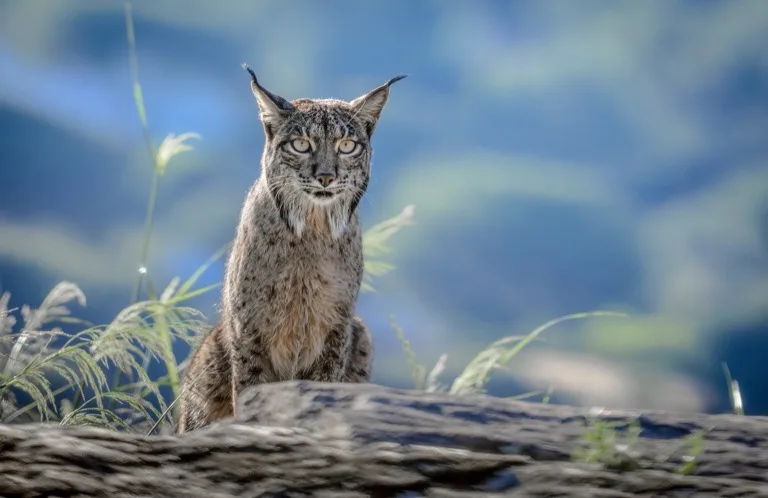
The cork oak and scrub woodland is Iberian lynx habitat. The species has recovered remarkably from near-extinction, and while Doñana's population remains small and difficult, the surrounding areas — particularly the Sierra de Andújar to the northeast — are far better for actually seeing one.
The dunes and coastal pine hold red and fallow deer, wild boar, and the mobile dune systems that slowly bury the pine forest.
Winter is the peak for sheer bird numbers; spring brings breeding colonies, migrants and comfortable weather. Late summer can be dry, hot and comparatively empty.
Practicalities
Seville and Huelva are the gateways, with El Rocío and Matalascañas the practical bases. Official park tours book out and should be arranged well ahead.
Doñana has been under serious pressure from water extraction for surrounding agriculture, and the marshes have suffered badly in dry years. The park you visit may be far drier than the photographs suggest — check recent conditions before planning a trip around waterbirds.
Gallery
Wildlife Species
Iberian Lynx
RareMammal · Best time: Dawn or Dusk
Greater Flamingo
CommonBird · Best time: Spring
Eurasian Spoonbill
CommonBird · Best time: Spring and Autumn
Red Deer
UncommonMammal · Best time: Evening
Geography
- Terrain
- Marshes, mobile dunes, scrub, pinewoods, lagoons
- Elevation
- Sea level to low dune ridges
- Climate
- Mediterranean coastal
- Area
- Extensive protected wetland and dune mosaic
Weather
- Best Months
- MarchAprilMaySeptember
- Avg. Temperature
- 8-33°C
- Rainfall
- Low to moderate
- Humidity
- 45-85%
Getting There
Seville Airport
About 1.5 to 2 hours to main access points
- Drive to El Rocio or Sanlucar areas
- Guided 4x4 park excursions
- Birding hides and boardwalk access
(Affiliate link — we may earn a commission.)
Tours & Experiences
Local guides substantially improve Iberian Lynx sighting odds — compare independent operators and dates for Doñana National Park below.
(Affiliate links — we may earn a commission.)
Where to Stay
Hotels in El Rocio
Mid-rangeHotel · Near marsh access
Check availability on Booking.com →Rural stays around Almonte and Sanlucar
Budget to Mid-rangeGuesthouse · Drive to park sectors
Check availability on Booking.com →(Affiliate links — we may earn a commission.)