Cape Peninsula & De Hoop
Cape Peninsula & De Hoop
The Cape Peninsula and De Hoop Nature Reserve bracket South Africa's Western Cape coast, combining a mainland penguin colony and fynbos-covered mountains with the finest land-based whale watching in the world. They are strongest for travelers who want marine wildlife and extraordinary botany within reach of Cape Town.
Where to find the wildlife
These are two separate destinations sharing a coastline and a season. The peninsula is a day-trip landscape of penguins, seabirds and mountain fynbos on Cape Town's doorstep; De Hoop, a few hours east, is where the whales come close enough to watch from the dunes.
Boulders Beach on the peninsula holds a mainland colony of African penguins — a species that has declined catastrophically and is now critically endangered — watched from boardwalks with birds nesting under the vegetation metres away.
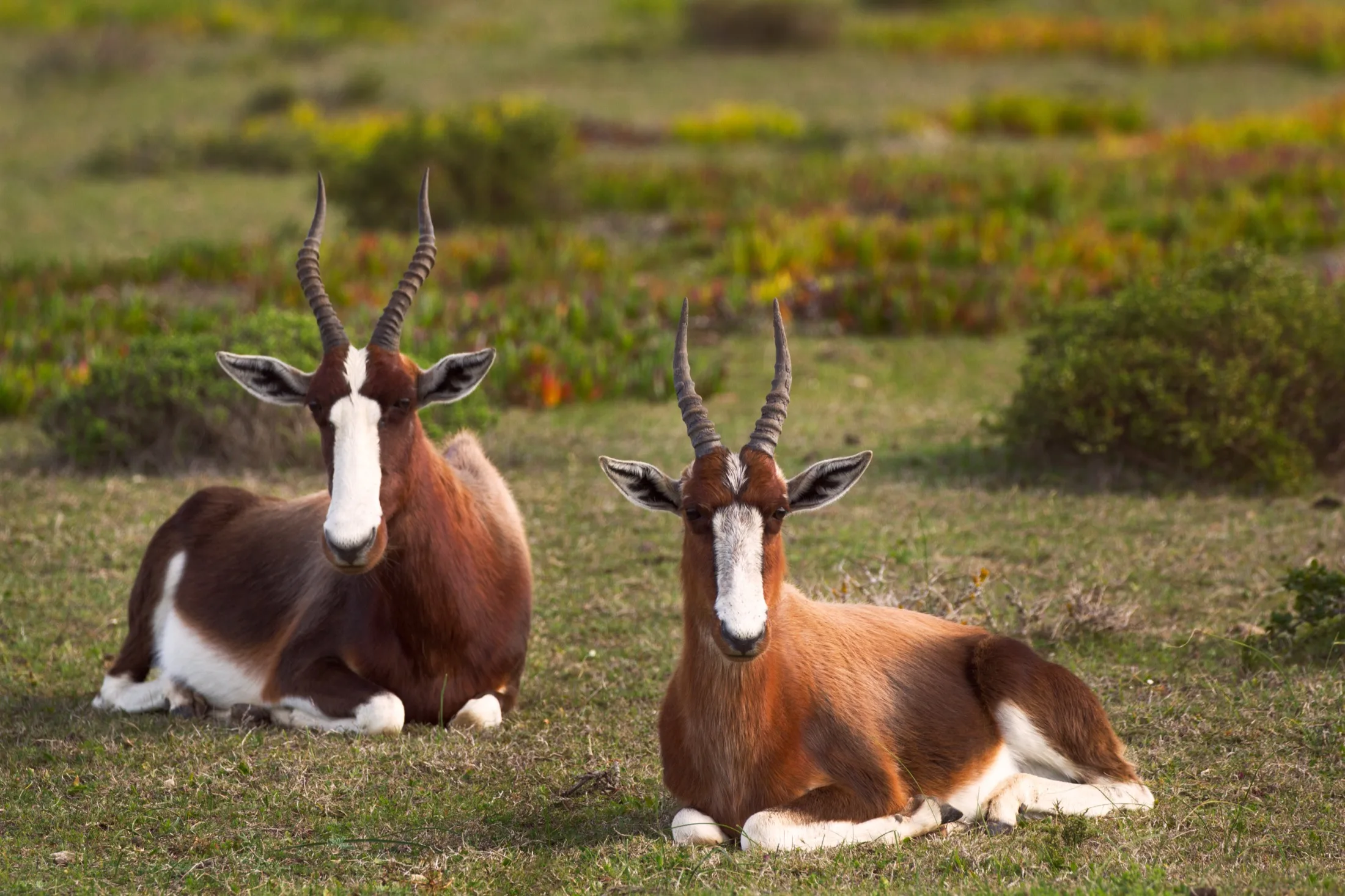
Cape Point and the reserve at the peninsula's tip hold eland, bontebok, ostrich and the chacma baboons that are the area's real management problem. The baboons are habituated, bold and dangerous around food: keep car windows closed, carry nothing edible in the open, and never try to take something back from one.
The fynbos itself is the botanical draw — the Cape Floral Kingdom is the smallest and richest of the world's floral kingdoms, and the peninsula alone holds more plant species than the whole of Britain, with sugarbirds and sunbirds feeding on the proteas.
De Hoop's coast, and the dunes at Koppie Alleen in particular, is the whale destination. Southern right whales come into the sheltered marine protected area to calve and mate from around June to November, peaking in August and September, and are watched from the top of the dunes as they breach and roll a short distance offshore — no boat required.
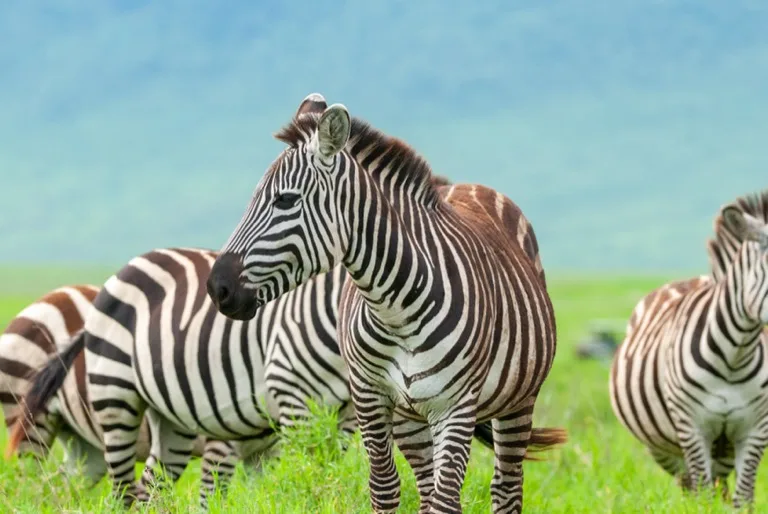
De Hoop's interior holds bontebok, Cape mountain zebra and eland on the fynbos plain, and the Potberg cliffs hold the Western Cape's only breeding colony of Cape vultures.
Practicalities
The peninsula is an easy day from Cape Town; book Boulders in advance in peak season. De Hoop is around three hours east, with accommodation inside the reserve.
The Whale Trail, a five-day guided hike between overnight cottages along De Hoop's coast, books out roughly a year ahead and is one of South Africa's great walks.
Gallery
Wildlife Species
African penguin at Boulders and nearby colonies
UncommonBird · Best time: Year-round, with strong activity in breeding season
Southern right whales along De Hoop and the southern Cape coast
Common seasonallyMammal · Best time: August to November
Cape fur seals, dolphins, and coastal marine life
CommonMammal · Best time: Year-round, best in calm sea conditions
Cape sugarbird, orange-breasted sunbird, cormorants, oystercatchers, and fynbos birds
UncommonBird · Best time: Spring and early morning
Bontebok, eland, Cape mountain zebra, and smaller coastal mammals around De Hoop
UncommonMammal · Best time: Morning and late afternoon
Geography
- Terrain
- Rocky headlands, sandy beaches, coastal fynbos, limestone plains, wetlands, dunes, cliffs, and protected marine shoreline
- Elevation
- Sea level to low coastal mountains and fynbos hills
- Climate
- Mediterranean coastal climate with windy, changeable conditions
- Area
- Cape Peninsula around Cape Town plus De Hoop Nature Reserve on the southern Cape coast
Weather
- Best Months
- AugustSeptemberOctoberNovemberDecemberJanuaryFebruaryMarch
- Avg. Temperature
- 8-28°C
- Rainfall
- Winter rainfall region, with spring wildflowers and late-winter to spring whale season especially valuable; summer is drier but windy
- Humidity
- 45-90%
Getting There
Cape Town International Airport
Cape Peninsula sites are easy day trips from Cape Town; De Hoop is a longer self-drive or guided coastal extension of roughly 3-4 hours from Cape Town
- Cape Town-based penguin, seabird, and seal photography
- De Hoop whale, fynbos, and coastal wildlife extension
- Western Cape birding and coastal landscape itinerary
(Affiliate link — we may earn a commission.)
Tours & Experiences
Local guides substantially improve animal sighting odds — compare independent operators and dates for Cape Peninsula & De Hoop below.
(Affiliate links — we may earn a commission.)
Where to Stay
Cape Town hotels, guesthouses, and coastal lodges
Budget to LuxuryHotel or Guesthouse · Best base for Cape Peninsula wildlife and birding day trips
Check availability on Booking.com →De Hoop reserve cottages, suites, and nearby guest farms
Mid-range to PremiumCottage or Lodge · Best base for whales, fynbos, and coastal reserve access
Check availability on Booking.com →Hermanus, Swellendam, and Overberg guesthouses
Budget to PremiumGuesthouse or Hotel · Useful staging bases for southern Cape coastal wildlife routes
Check availability on Booking.com →(Affiliate links — we may earn a commission.)