Kruger National Park
Kruger National Park
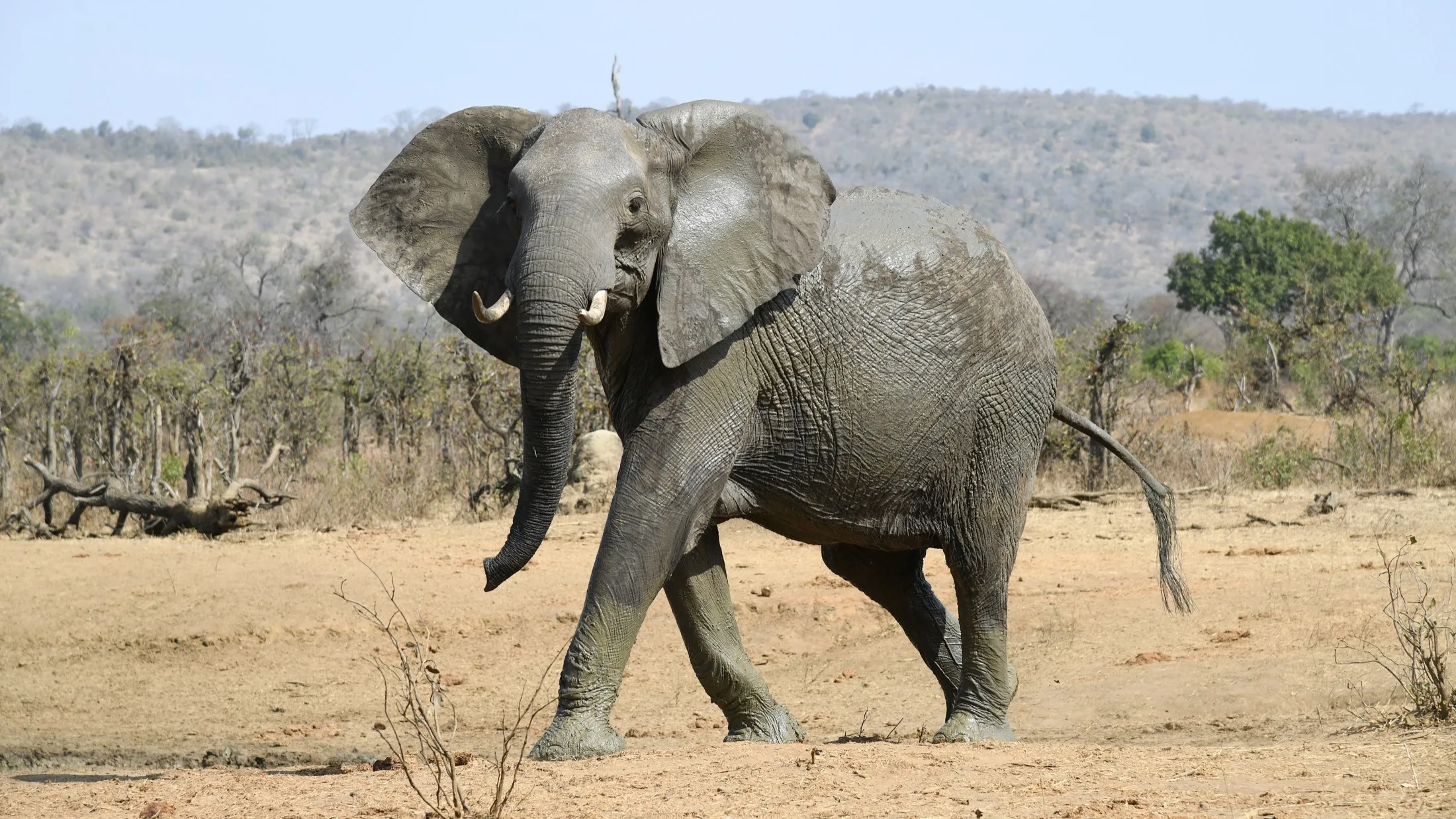
Kruger National Park is Africa's most accessible great safari destination, a park the size of a small country on South Africa's northeastern border, holding the full Big Five along a network of paved and gravel roads open to ordinary cars. It is strongest for travelers who want to run their own safari at their own pace, with a range of budgets no other park matches.
Where to find the wildlife
Kruger is roughly 350 kilometres from end to end, and its regions are genuinely different: the southern third holds the highest densities and the most traffic, the centre is open savanna and predator country, and the north is quieter mopane woodland with a different bird list. Where you base yourself is the whole decision.
The Sabie river road between Skukuza and Lower Sabie in the south is the most productive single stretch in the park. It follows permanent water through dense game country and is the classic road for leopard, with lion, elephant and rhino along the same route. Sunset Dam near Lower Sabie is worth a long stop in its own right.
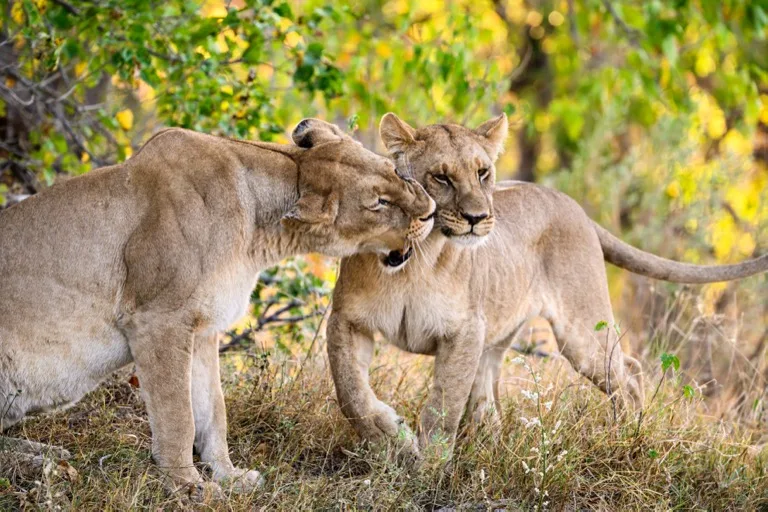
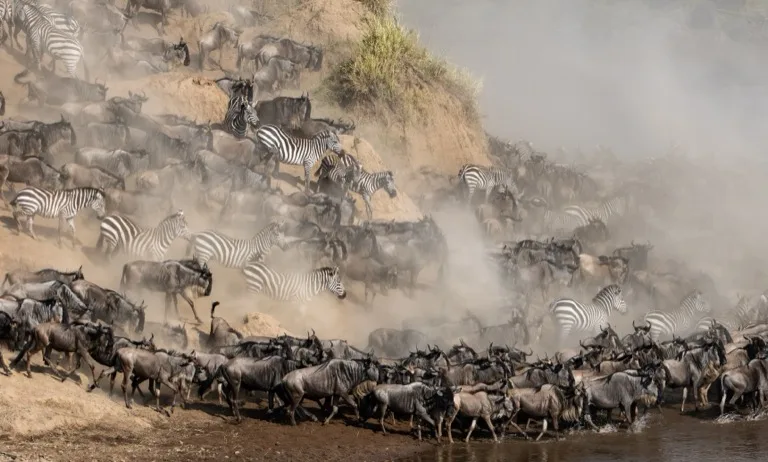
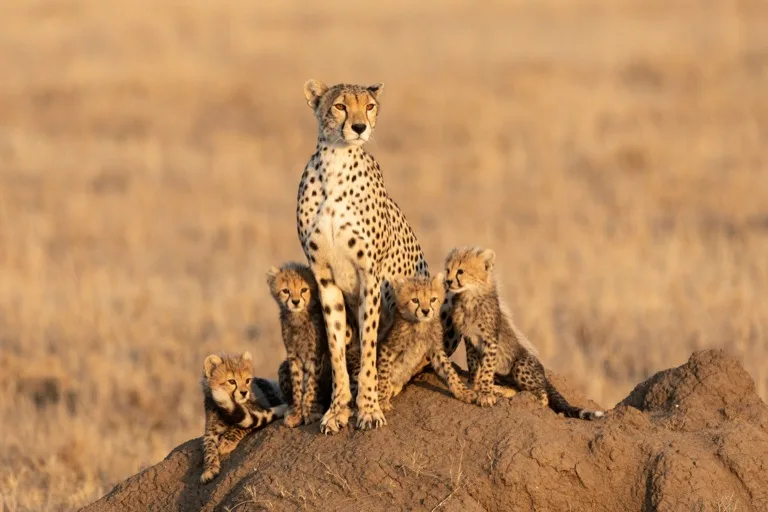
The Satara area in the central section is the lion country. Open plains hold big herds of zebra and wildebeest, and the gravel S100 running east from camp is the single most-recommended road in Kruger for lion and cheetah — drive it slowly at first light.
The northern reaches around Punda Maria and Pafuri are the specialists' Kruger: fewer vehicles, fewer big cats, and the park's best birding, including species found nowhere else in South Africa where the Limpopo and Luvuvhu rivers meet.
The waterholes and river viewpoints everywhere reward sitting still. Kruger's camps post sightings boards where visitors mark what they saw and where that day — genuinely useful intelligence, and the closest thing self-drivers have to a guide.
First light and the last hour before gate closing are decisive. The dry winter months from May to September strip the bush back and pull animals to permanent water, which is why they are the recommended season despite the cold mornings.
Practicalities
Gate and camp times are fixed by season and enforced with fines — you must be inside a camp or out of a gate by closing, and planning your day around the drive back is essential. Rest camps run from campsites to air-conditioned bungalows and book out months ahead for school holidays.
The park charges a daily conservation fee, with a substantially lower rate for South African residents and SADC nationals. If you would rather be driven, the private reserves along Kruger's unfenced western boundary — Sabi Sand foremost — offer off-road traversing and night drives that the national park does not permit, at a very different price.
Gallery
Wildlife Species
African Elephant
CommonMammal · Best time: All Day
African Lion
CommonMammal · Best time: Morning or Late Afternoon
Leopard
UncommonMammal · Best time: Dawn or Dusk
White Rhino
UncommonMammal · Best time: Morning
Geography
- Terrain
- Savanna, riverine woodland, granite hills, bushveld
- Elevation
- 200-840m
- Climate
- Subtropical savanna
- Area
- About 19485 km2
Weather
- Best Months
- MayJuneJulyAugustSeptember
- Avg. Temperature
- 9-35°C
- Rainfall
- Low in the dry season
- Humidity
- 35-75%
Getting There
Skukuza Airport or Nelspruit Airport
Multiple gates and internal airstrips
- Self drive through park gates
- Scheduled safari transfers
- Guided game drives
(Affiliate link — we may earn a commission.)
Tours & Experiences
Local guides substantially improve Leopard sighting odds — compare independent operators and dates for Kruger National Park below.
(Affiliate links — we may earn a commission.)
Where to Stay
Rest camps inside Kruger
Budget to Mid-rangeRest Camp · Inside the park
Check availability on Booking.com →Private lodges in the Greater Kruger
PremiumSafari Lodge · Near reserve borders
Check availability on Booking.com →(Affiliate links — we may earn a commission.)