Extremadura
Extremadura
Extremadura is Europe's finest region for birds of prey and steppe birds, a sparsely populated expanse of dehesa oak parkland, plains, and river gorges in western Spain. It is strongest for birders who want vultures, eagles, and bustards in a landscape shaped by centuries of low-intensity farming.
Where to find the wildlife
Extremadura's richness comes from the dehesa — open holm oak pasture grazed by livestock, a man-made habitat that has proved extraordinarily good for wildlife. That, plus unfarmed steppe and rocky gorges, gives three complementary habitats within an hour's drive of each other.
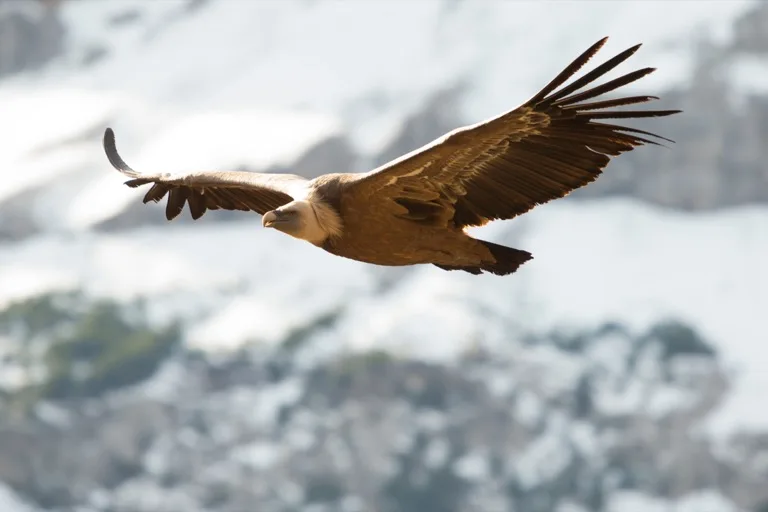
Monfragüe National Park is the raptor destination. The Salto del Gitano cliff above the Tagus holds one of Europe's densest concentrations of breeding griffon vultures, along with black vulture, Egyptian vulture, Spanish imperial eagle and Bonelli's eagle — all visible from roadside viewpoints without walking a step.
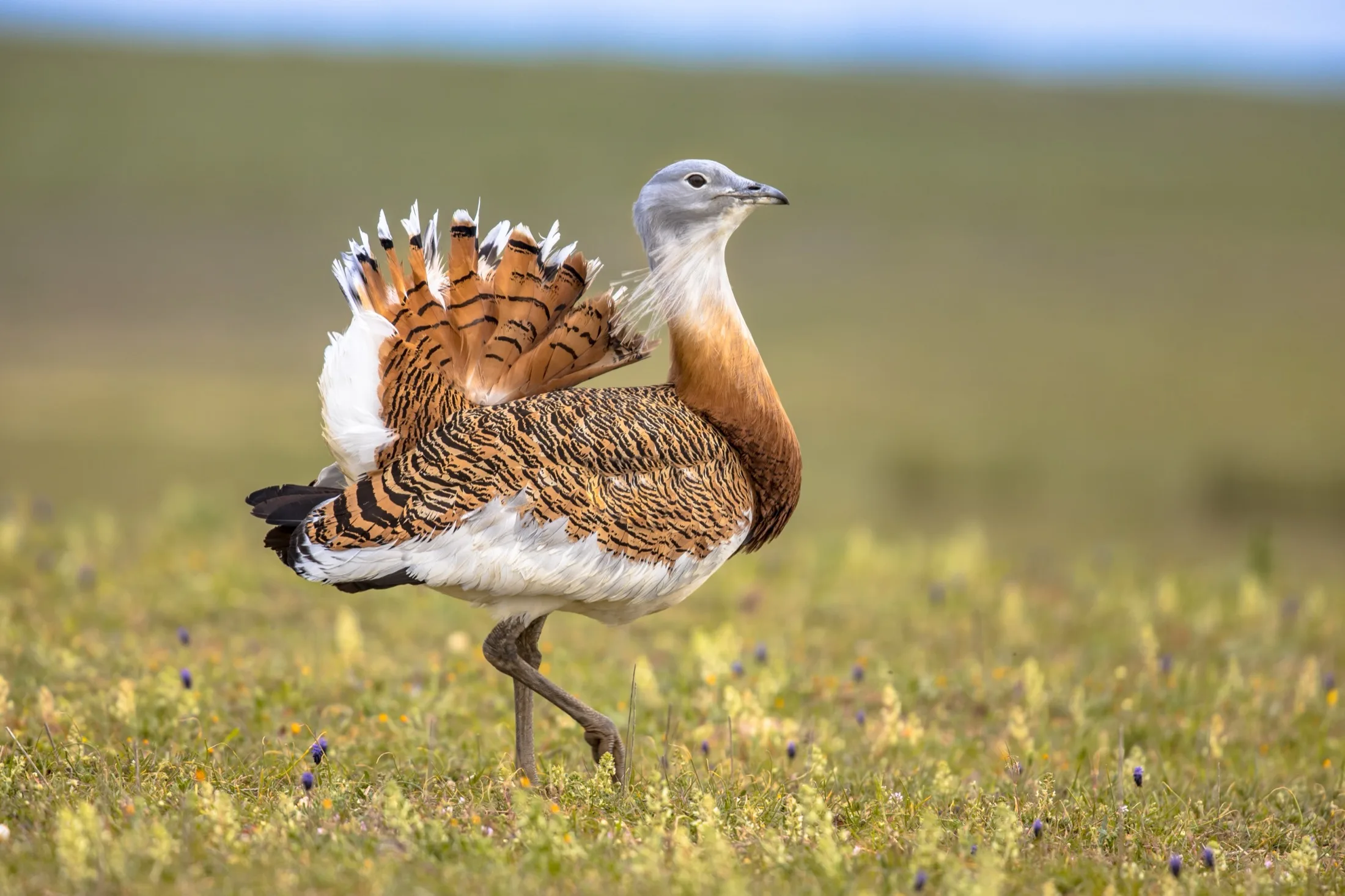
The steppes around Trujillo and Cáceres hold the open-country specialities: great and little bustard, pin-tailed and black-bellied sandgrouse, montagu's harrier and stone curlew. These are found by driving quiet farm tracks slowly in the early morning and scanning.
The dehesa itself holds azure-winged magpies in noisy parties, hoopoes, woodchat shrikes, and the black vultures that nest in the old oaks — Spain holds the great majority of the world population.
The towns are part of the birding: white storks nest on the churches and rooftops of Trujillo and Cáceres, lesser kestrels colonise the old buildings, and both are watched from a café table.
March to May is the peak — breeding raptors, displaying bustards and wildflowers. Winter brings cranes in tens of thousands to the dehesa, feeding on acorns, which is a spectacle in its own right.
Practicalities
Madrid and Seville are the usual arrival points, both two to three hours by road. A hire car is essential; the birding is spread across quiet country roads where you will often see nobody for an hour.
Trujillo makes the best base for the steppes and Monfragüe both. Local guides here are excellent and know exactly which fields hold bustards this week — the birds move, and the region is large.
Gallery
Wildlife Species
Cinereous Vulture
CommonBird · Best time: Late Morning
Spanish Imperial Eagle
RareBird · Best time: Morning
Common Crane
CommonBird · Best time: Winter
Great Bustard
UncommonBird · Best time: Spring
Egyptian Vulture
UncommonBird · Best time: Spring
Geography
- Terrain
- Dehesa woodland, reservoirs, plains, river gorges, scrub
- Elevation
- 200-1,600m
- Climate
- Mediterranean inland
- Area
- Large wildlife region with multiple reserves
Weather
- Best Months
- FebruaryMarchAprilNovember
- Avg. Temperature
- 3-35°C
- Rainfall
- Low to moderate
- Humidity
- 35-75%
Getting There
Madrid or Seville access with long road transfer
Best explored by car across several reserves
- Rental car for self-drive birding
- Guided vulture and steppe routes
- Village and finca bases
(Affiliate link — we may earn a commission.)
Tours & Experiences
Local guides substantially improve Spanish Imperial Eagle sighting odds — compare independent operators and dates for Extremadura below.
(Affiliate links — we may earn a commission.)
Where to Stay
Guesthouses in Trujillo and Monfrague area villages
Budget to Mid-rangeGuesthouse · Good wildlife bases
Check availability on Booking.com →Rural fincas across Extremadura
Mid-range to PremiumLodge · Distributed across key habitats
Check availability on Booking.com →(Affiliate links — we may earn a commission.)