Gorongosa National Park
Gorongosa National Park
Gorongosa National Park sits at the southern end of Africa's Great Rift Valley in Mozambique, a floodplain, woodland, and mountain ecosystem that has become the continent's most remarkable wildlife recovery story. It is strongest for travelers who want excellent game viewing with almost no other vehicles, and a conservation project genuinely worth understanding.
Where to find the wildlife
Gorongosa's wildlife was almost entirely destroyed during Mozambique's civil war — large mammals fell by upwards of ninety per cent. What you see today is the product of a long restoration effort, and understanding that history changes how the place reads: these are not remnant populations but recovered ones, and the numbers are still climbing.
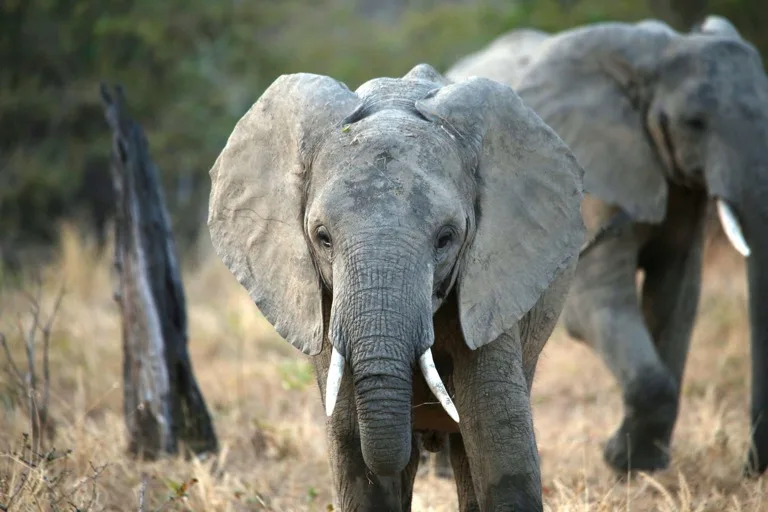
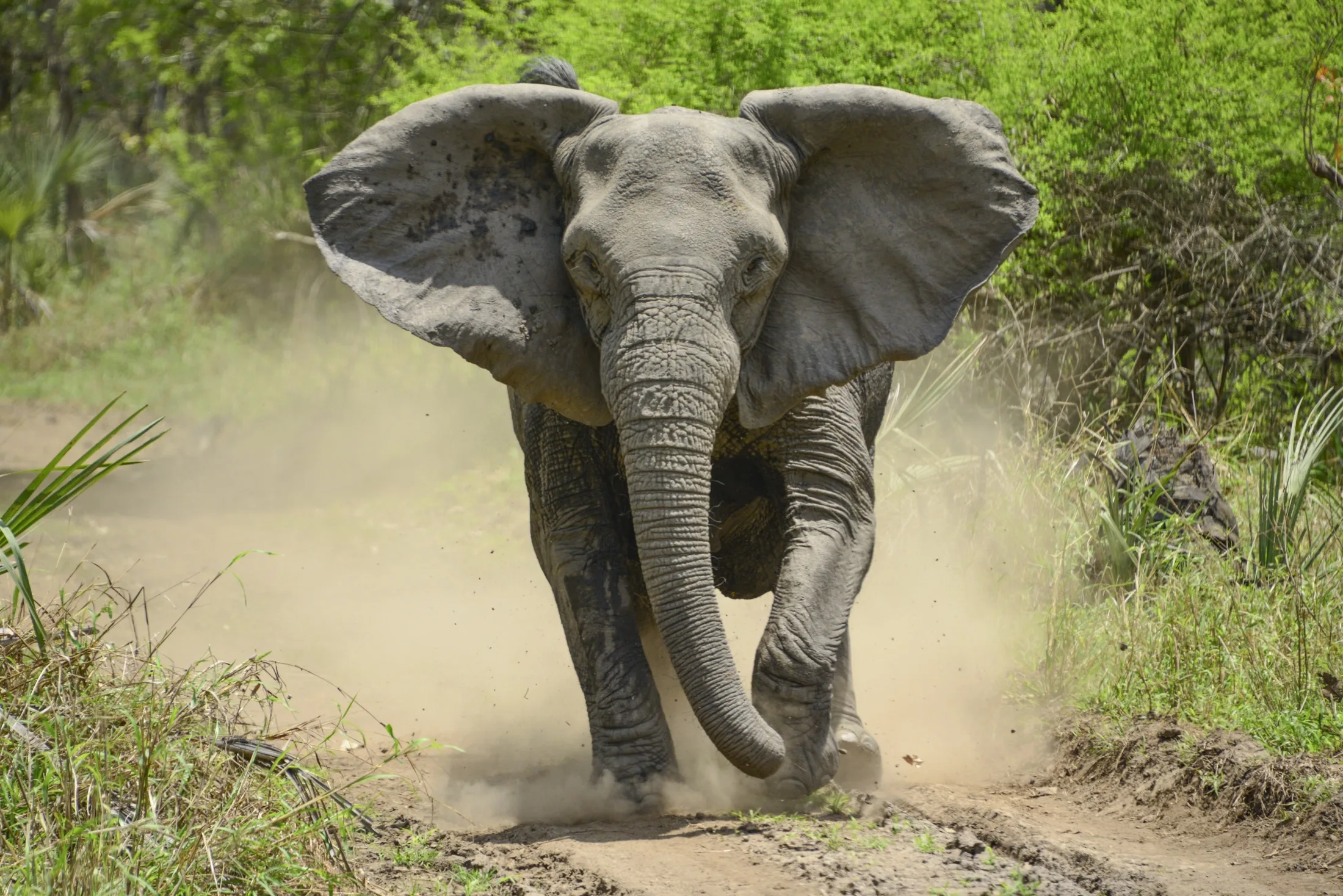
The Urema floodplain is the heart of the park and where most game drives go. Enormous herds of waterbuck — among the densest concentrations of the species anywhere — graze the open grassland alongside sable, oribi, warthog and buffalo, with elephants moving between the floodplain and the woodland edge.
Lake Urema and its fringing pans hold hippo, crocodile and one of the finest waterbird gatherings in southern Africa, with pelicans, storks and herons concentrated as the water shrinks.
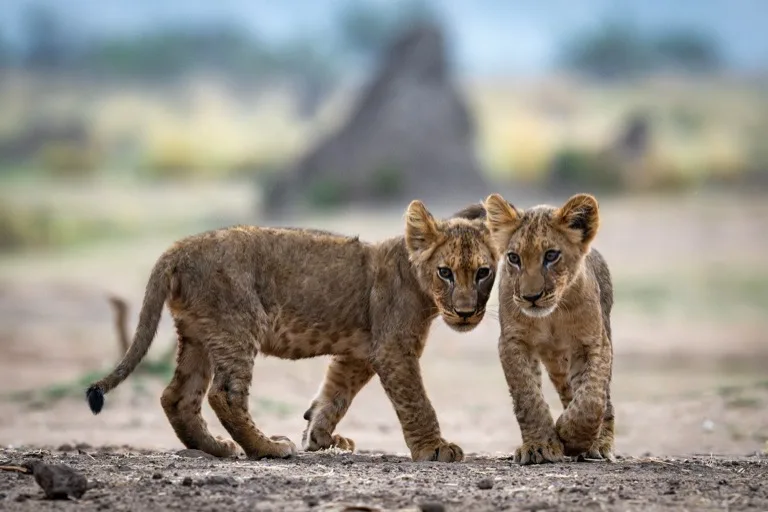
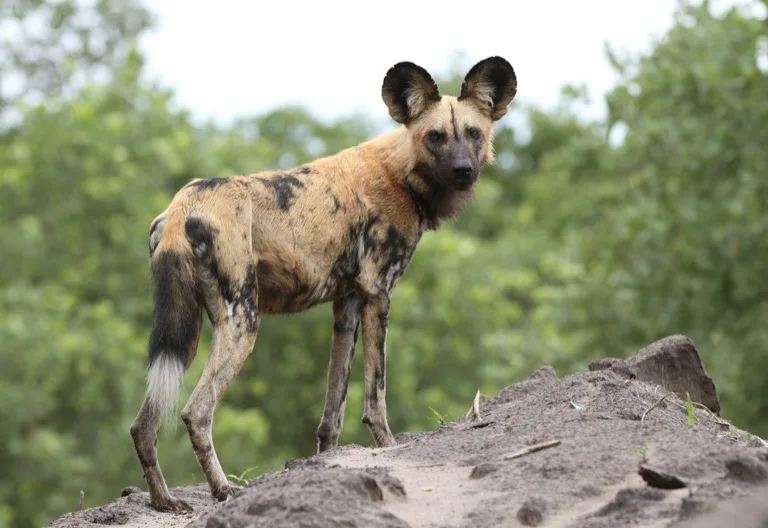
The fever tree and palm forests around the floodplain margins are where lion are most often found. The population, once down to a handful of animals, now runs to over a hundred, and African wild dog have been successfully returned after decades of absence.
Mount Gorongosa, a rainforest-capped massif above the plain, is a separate trip and a birders' destination — green-headed oriole among a long list of species found nowhere else in the park, plus waterfalls and a very different climate.
The dry season from May to October is the game-viewing window, concentrating animals on the floodplain; many camps close during the heaviest rains.
Practicalities
Chitengo is the main camp and the base for most visits, reached by road from Beira in a few hours. The park runs its own guides and much of its staff from surrounding communities, and its human development work — health, education and agriculture in the buffer zone — is as central to the project as the wildlife.
Game densities remain lower than in Kenya or Botswana. Come for the recovery, the emptiness and the birds rather than expecting Serengeti numbers.
Gallery
Wildlife Species
African Elephant
UncommonMammal · Best time: All Day
Waterbuck
CommonMammal · Best time: Morning
Lion
UncommonMammal · Best time: Morning or Evening
Green-headed Oriole
UncommonBird · Best time: Morning
Geography
- Terrain
- Floodplain, savanna, rivers, woodland, mountain edge
- Elevation
- About 40-1863m
- Climate
- Tropical savanna
- Area
- About 4067 km2
Weather
- Best Months
- MayJuneJulyAugustSeptember
- Avg. Temperature
- 15-32°C
- Rainfall
- High in the wet season
- Humidity
- 45-90%
Getting There
Beira Airport with overland transfer to Chitengo
Usually several hours by road from Beira
- Road transfer from Beira
- Guided game drives
- Mount Gorongosa and floodplain combinations
(Affiliate link — we may earn a commission.)
Tours & Experiences
Local guides substantially improve African Elephant sighting odds — compare independent operators and dates for Gorongosa National Park below.
(Affiliate links — we may earn a commission.)
Where to Stay
Chitengo camp and lodges
Mid-rangeLodge · Main tourism hub inside the park
Check availability on Booking.com →Remote camps and guided stays
Mid-range to PremiumCamp · Selected sectors of the park
Check availability on Booking.com →(Affiliate links — we may earn a commission.)