Gunung Mulu National Park
Gunung Mulu National Park
Gunung Mulu National Park in Sarawak holds the largest cave passage on Earth, a limestone massif in Borneo where three million bats emerge each evening in a spiralling column and rainforest covers razor-sharp pinnacles. It is strongest for travelers who want a genuine natural spectacle combined with world-class caving.
Where to find the wildlife
Mulu's headline experience is underground and at dusk. The park's show caves are enormous and easily walked, and the bat exodus from Deer Cave is the single most reliable wildlife spectacle in Borneo — weather permitting, it happens almost every evening.
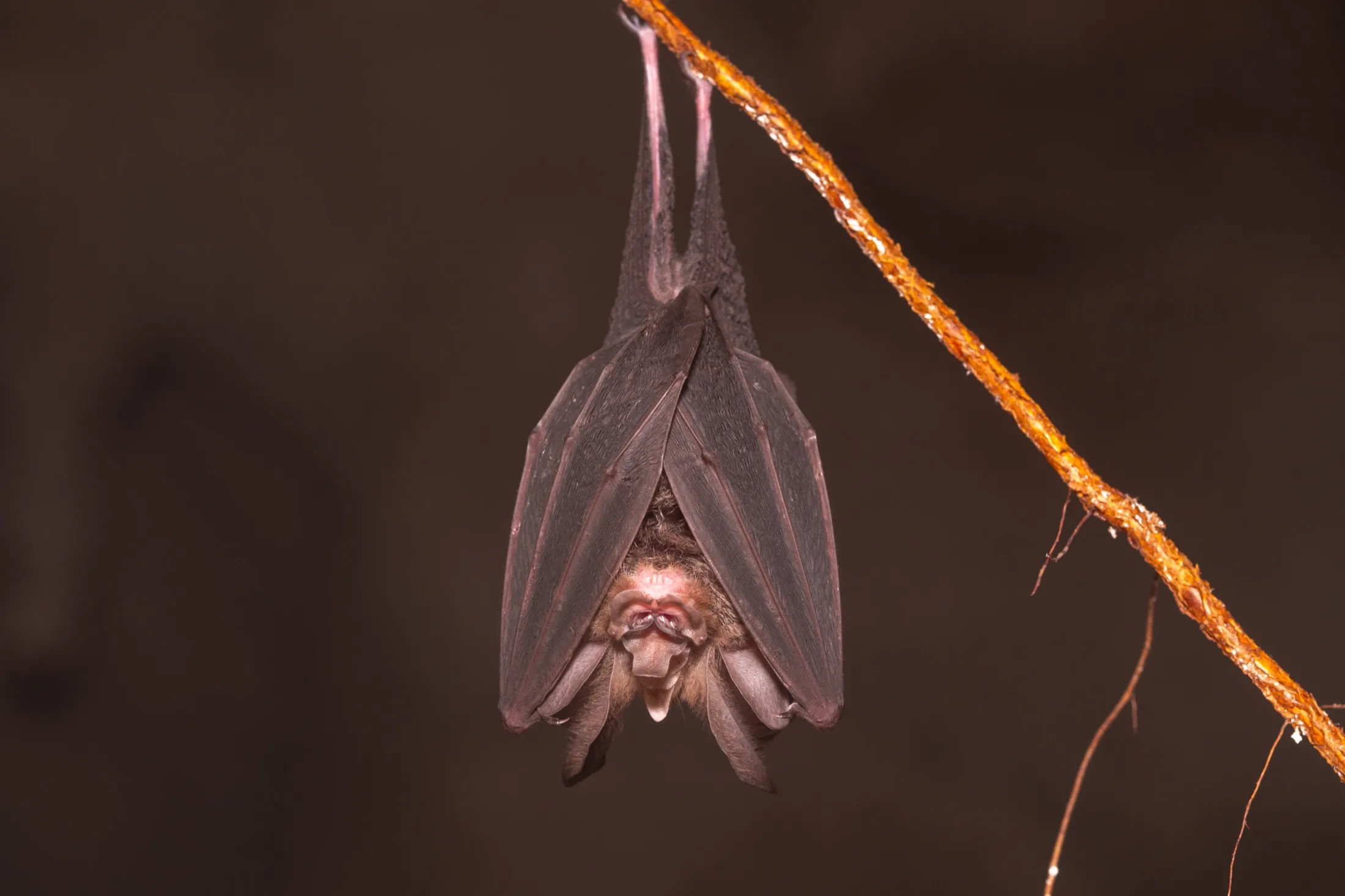
The Deer Cave bat exodus is the reason most people come. From an observatory near the cave mouth you watch wrinkle-lipped bats leave in a dense, twisting ribbon that takes over an hour to pass, with bat hawks and peregrines picking birds out of the column. It is cancelled by heavy rain, so allow two evenings.
The show caves — Deer, Lang's, Clearwater and Wind — are among the world's largest, with Sarawak Chamber the biggest known cave chamber on Earth, though access to it is restricted to expedition caving. Swiftlets nest inside in vast numbers and navigate by echolocation.
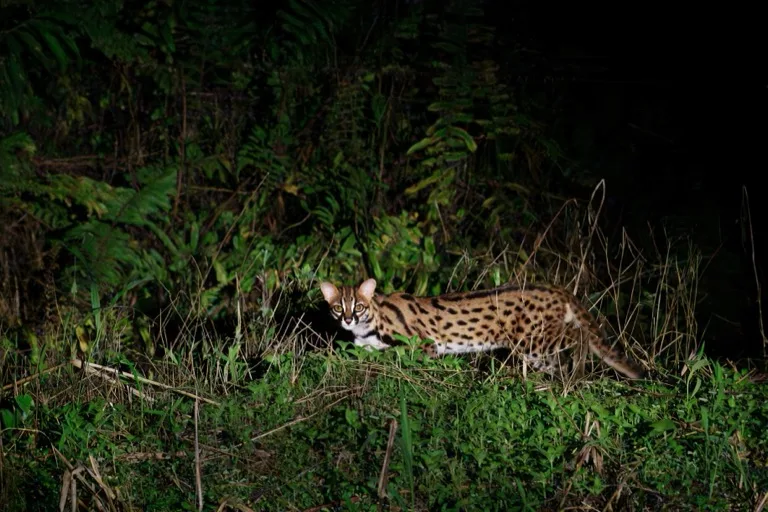
The canopy walkway and forest trails hold the surface wildlife: gibbons calling at dawn, bearded pigs, squirrels of many species, and an excellent bird list including hornbills and trogons.
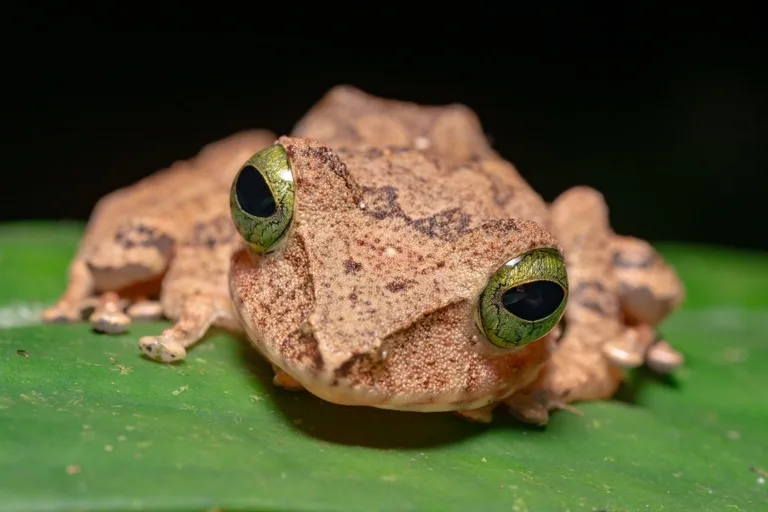
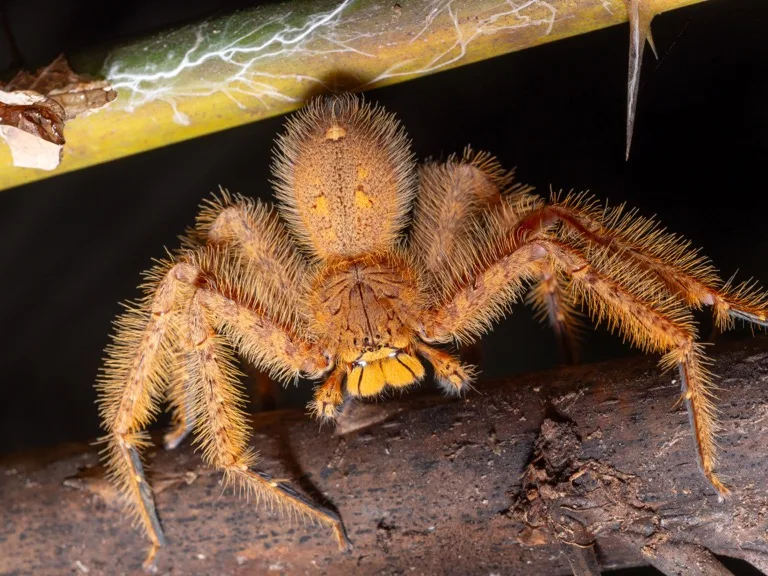
The night walks produce stick insects, tarantulas, tree frogs, and the huge diversity of invertebrates that limestone forest supports.
The Pinnacles on Gunung Api are the famous trek — a brutally steep climb to a viewpoint over razor-edged limestone blades, taking three days round trip and demanding real fitness.
The drier months make trails and river travel easier, but this is Borneo and rain is constant.
Practicalities
Mulu is reached by air from Miri or Kuching; there is no road. Park accommodation and the show cave tours should be booked in advance through the park, and the Pinnacles trek requires a guide and a permit booked well ahead.
The park is on the ancestral land of the Berawan and Penan, and guides from these communities run much of the operation.
Gallery
Wildlife Species
Cave Swiftlet
AbundantBird · Best time: Late Afternoon
Wrinkle-lipped Bat
CommonMammal · Best time: Late Afternoon
Rhinoceros Hornbill
UncommonBird · Best time: Morning
Bornean Gibbon
UncommonMammal · Best time: Early Morning
Bearded Pig
UncommonMammal · Best time: Morning
Geography
- Terrain
- Limestone karst, giant caves, sandstone mountains, primary rainforest
- Elevation
- 28-2,376m
- Climate
- Equatorial rainforest
- Area
- 52,864 ha
Weather
- Best Months
- MarchAprilJulySeptember
- Avg. Temperature
- 24-31°C
- Rainfall
- High year-round
- Humidity
- 80-95%
Getting There
Mulu Airport
About 5km from the park headquarters
- Domestic flights via Miri, Kuching, or Kota Kinabalu
- Airport or lodge transfer to the park
- No public road access
(Affiliate link — we may earn a commission.)
Tours & Experiences
Local guides substantially improve Rhinoceros Hornbill sighting odds — compare independent operators and dates for Gunung Mulu National Park below.
(Affiliate links — we may earn a commission.)
Where to Stay
Mulu Marriott Resort & Spa
$$$Resort · Near the park entrance
Check availability on Booking.com →Mulu National Park Accommodation
$$Park Lodge · Inside or beside park HQ
Check availability on Booking.com →Mulu Diana Homestay
$Homestay · Mulu village
Check availability on Booking.com →(Affiliate links — we may earn a commission.)