Abruzzo, Lazio e Molise National Park
Abruzzo, Lazio e Molise National Park
Abruzzo, Lazio e Molise National Park is one of Europe's most important mountain mammal strongholds, protecting the last core habitat of the Marsican brown bear along with Apennine wolves, chamois, and rich beech-forest ecosystems. It is strongest for travelers who want a serious naturalist trip centered on endemic mammals, mountain scenery, and a much wilder side of central Italy.
Where to find the wildlife
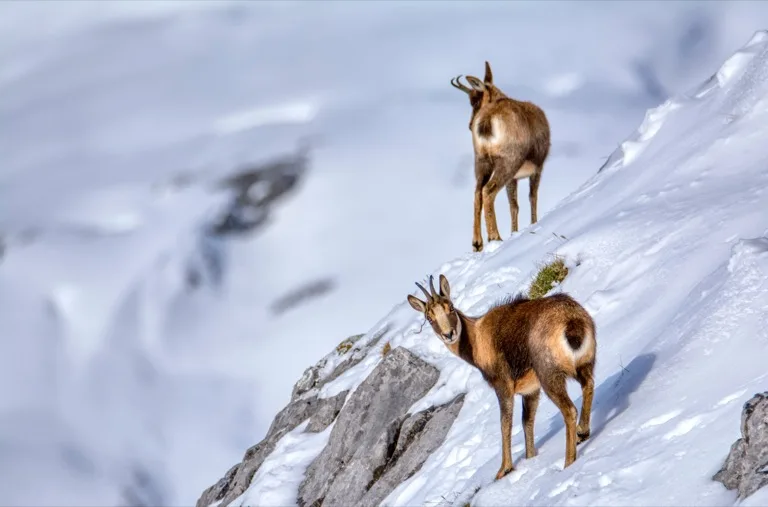
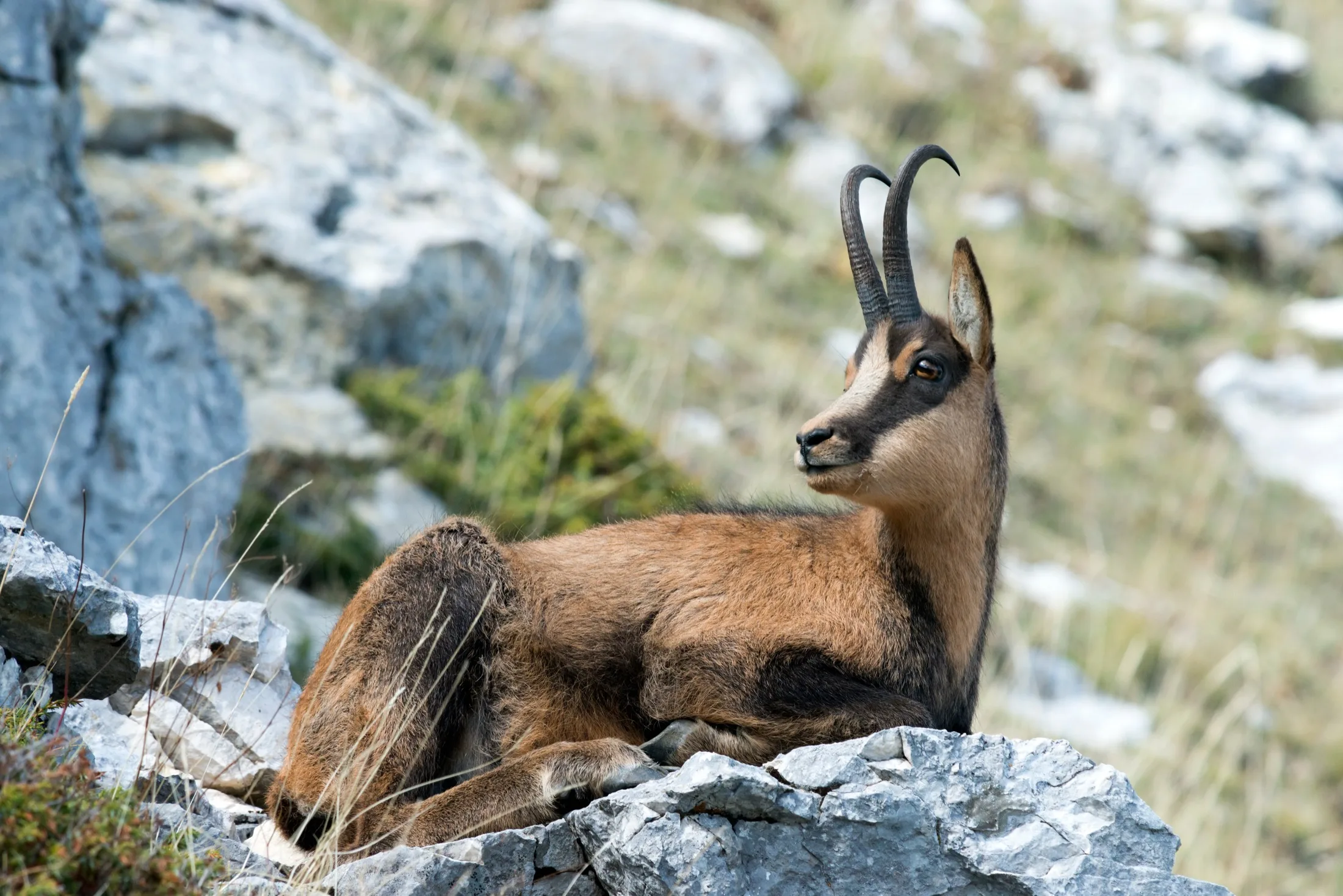
The park is a landscape of beech forest and limestone valleys around the upper Sangro, and the animals sort themselves by altitude. Chamois live on the open slopes above the treeline, bears and wolves work the forest and the valley edges below, and where you stand at first light decides which of the three you have a chance at.
Val di Rose, climbed on foot from Civitella Alfedena, is the most dependable place in Italy to watch Apennine chamois. The path gains height steadily out of the beech forest onto open slopes where the herds graze in full view, often close to the trail. Access to this valley is regulated in the summer months and the park publishes the current rules each season, so check before you plan the day around it.
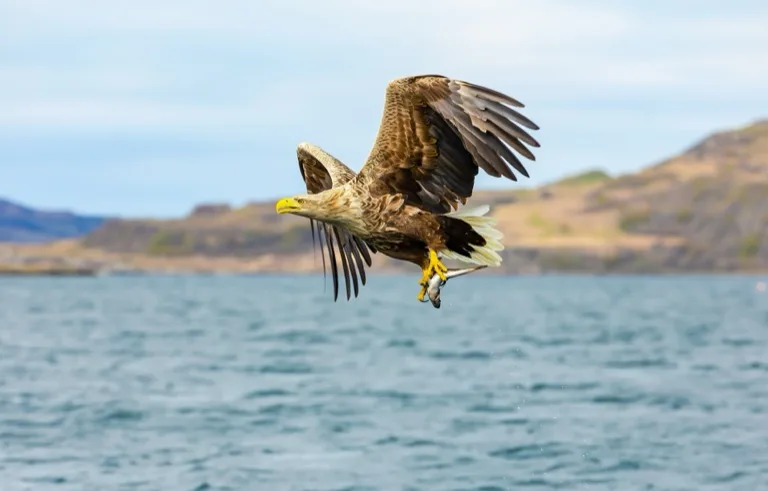
The Camosciara, a dolomitic amphitheatre reached from the Sangro road, is closed to private cars for much of the year and walked or shuttled instead. That quiet is the point: it is good ground for red and roe deer at the forest edge, and for golden eagle riding the thermals off the rock walls through the middle of the day.
The upper Sangro valley and the meadows around Pescasseroli and Opi are where bear sightings are concentrated, almost always in the last hour of light or the first of the morning, when bears come out to the forest margins and old orchards to feed. Autumn is the strongest season, when they are feeding hard on buckthorn and beech mast before denning.
Wolves are heard far more often than seen. Dawn and dusk on the valley floors give the best odds, and the Museo del Lupo Appenninico in Civitella Alfedena is worth an hour for understanding what you are listening for.
Whatever you are watching, keep at least 100 metres from bears, and go with one of the park's authorised guides if you want the local knowledge that turns a hopeful evening into a productive one — they know which meadows are being used that week.
Practicalities
Pescasseroli is the natural base, with the park authority's visitor centre and most of the guides. The drive from Rome takes roughly three hours, and a car is effectively required: the sightings that matter happen at either end of the day, well outside any bus timetable.
Gallery
Wildlife Species
Marsican Brown Bear
RareMammal · Best time: Early Morning or Evening
Apennine Wolf
RareMammal · Best time: Dawn or Dusk
Apennine Chamois
UncommonMammal · Best time: Morning
Golden Eagle
UncommonBird · Best time: Midday thermals
Geography
- Terrain
- Beech forest, limestone mountains, valleys, alpine meadows
- Elevation
- About 900-2249m
- Climate
- Continental mountain climate
- Area
- About 500 km2
Weather
- Best Months
- MayJuneSeptemberOctober
- Avg. Temperature
- -2-26°C
- Rainfall
- Moderate with snow in winter and storms in shoulder seasons
- Humidity
- 45-85%
Getting There
Rome airports with overland transfer into the central Apennines
Typically 2.5 to 3.5 hours by road from Rome depending on the park sector
- Rental car to Pescasseroli and nearby valleys
- Guided bear and wolf watching
- Hiking-based wildlife observation
(Affiliate link — we may earn a commission.)
Tours & Experiences
Local guides substantially improve Marsican Brown Bear sighting odds — compare independent operators and dates for Abruzzo, Lazio e Molise National Park below.
(Affiliate links — we may earn a commission.)
Where to Stay
Hotels and guesthouses in Pescasseroli
Budget to Mid-rangeHotel · Main gateway town
Check availability on Booking.com →Mountain inns and agriturismi around the park
Mid-rangeGuesthouse · Spread across valleys and villages
Check availability on Booking.com →(Affiliate links — we may earn a commission.)