Kaziranga National Park
Kaziranga National Park
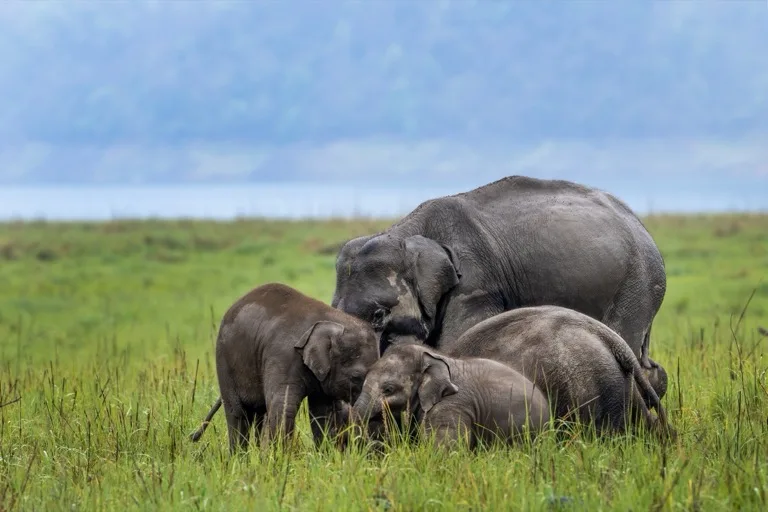
Kaziranga National Park holds two-thirds of the world's greater one-horned rhinos, a vast floodplain of elephant grass, wetland, and forest on the southern bank of the Brahmaputra in Assam. It is strongest for travelers who want near-certain rhino sightings alongside wild elephant, swamp deer, and some of India's best grassland birding.
Where to find the wildlife
Kaziranga is grassland, not jungle, and that is why it works so well: rhinos are visible at distance across open country in a way that tigers in the same park never are. The park is divided into ranges, each sold as a separate safari, and picking the right one matters more here than choosing a time of day.
The Kohora range in the centre is the default and the most reliable for rhino, with open grassland and water bodies close to the main road. If you only do one drive, do this one.
The Bagori range in the west runs a close second and is often the better of the two for herds of elephant alongside rhino, on similarly open ground. Its jeep safaris start earlier than the other ranges, which suits birders.
The Agaratoli range in the east is the birding zone, with numerous water bodies drawing waterfowl, storks, and raptors, and it is the range that offers boat-based viewing. Come here for pallas's fish eagle and the wetland species rather than for mammal numbers.
The Burapahar range is hillier and quieter, better for forest birds and a walk-focused visit than for the classic rhino-and-elephant drive.
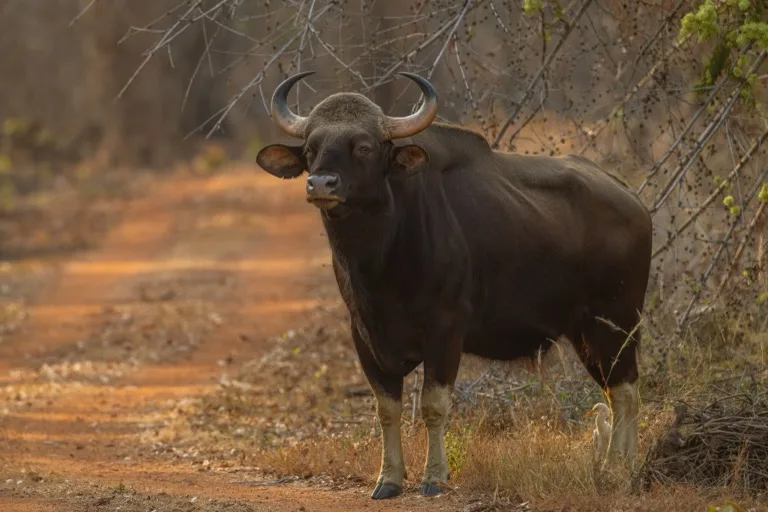
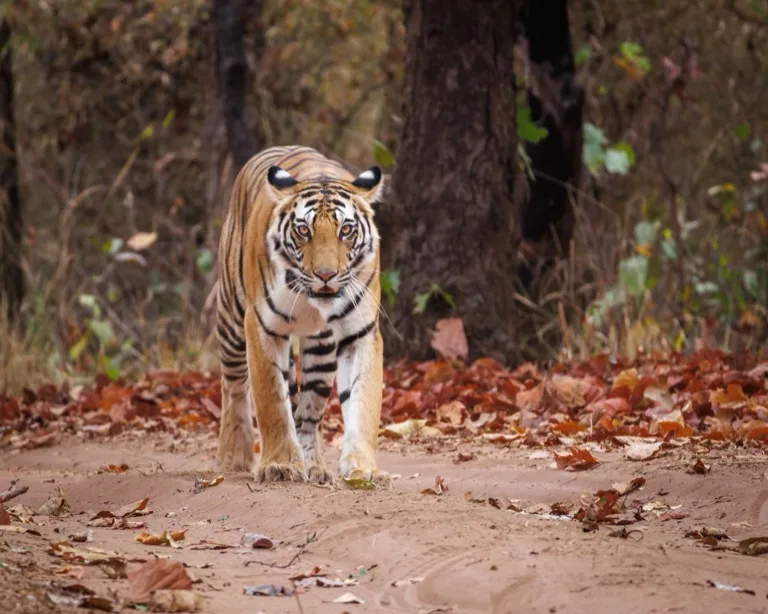
Across all ranges, wild water buffalo — the genuine wild species, not the domestic animal — and eastern swamp deer are Kaziranga specialities worth learning to recognise. Tigers are present at high density but very rarely seen in this grass.
Safaris run in two fixed shifts, early morning and mid-afternoon, and the morning shift is meaningfully better for large mammals.
Practicalities
The park closes annually for the monsoon, reopening around the start of October and running to late spring — when the Brahmaputra floods, much of Kaziranga goes under water and the animals move to higher ground outside the park. November to April is the reliable window, with the cooler months best for both wildlife and comfort.
Book safaris in advance through the official system rather than on arrival in peak season, and note that ranges are sold individually, so a two- or three-night stay lets you cover the complementary strengths of Kohora, Bagori, and Agaratoli. Jorhat and Guwahati are the usual airports, with a road transfer of a few hours.
Gallery
Wildlife Species
Greater One-horned Rhinoceros
CommonMammal · Best time: Morning
Asian Elephant
CommonMammal · Best time: All Day
Wild Water Buffalo
UncommonMammal · Best time: Morning
Swamp Deer
CommonMammal · Best time: Morning
Geography
- Terrain
- Tall grassland, wetlands, river channels, woodland
- Elevation
- 40-80m
- Climate
- Humid subtropical
- Area
- About 430 km2 core park
Weather
- Best Months
- NovemberDecemberJanuaryFebruaryMarchApril
- Avg. Temperature
- 8-32°C
- Rainfall
- Lower in dry season
- Humidity
- 55-90%
Getting There
Jorhat or Guwahati airports
Road transfer to central range gateways
- Jeep safaris
- Elephant rides in some zones
- Multiple safari ranges
(Affiliate link — we may earn a commission.)
Tours & Experiences
Local guides substantially improve Wild Water Buffalo sighting odds — compare independent operators and dates for Kaziranga National Park below.
(Affiliate links — we may earn a commission.)
Where to Stay
Safari lodges outside Kaziranga gates
Budget to Mid-rangeLodge · Near park sectors
Check availability on Booking.com →Resorts in Kohora and nearby villages
Mid-rangeResort · Main gateway area
Check availability on Booking.com →(Affiliate links — we may earn a commission.)