Laikipia Plateau / Conservancies
Laikipia Plateau / Conservancies
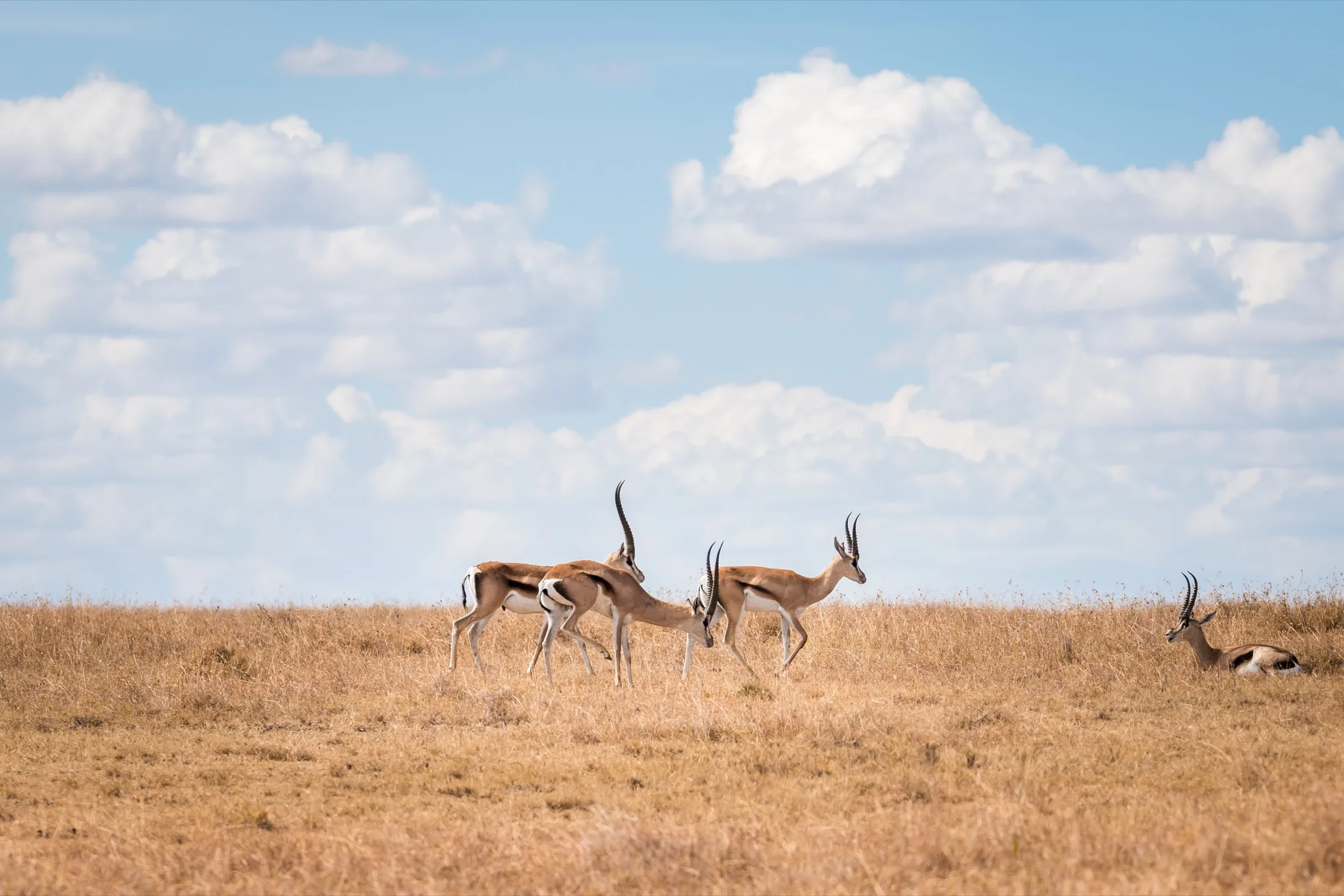
The Laikipia conservancies form Kenya's most successful private conservation landscape, a patchwork of ranches and community land north of Mount Kenya holding the country's second-largest wildlife population outside a national park. They are strongest for travelers who want rhino, activities that parks forbid, and a conservation story worth understanding.
Where to find the wildlife
Laikipia is not a park but a mosaic of private and community conservancies, each with its own rules, lodges and traversing rights. That structure is the point: because they are private land, walking, night drives, horseback and camel safaris are all permitted, and visitor numbers are capped by the number of beds.
Ol Pejeta Conservancy is the best known, holding East Africa's largest black rhino population and the last two northern white rhinos on Earth, kept under armed guard. It also runs a chimpanzee sanctuary for animals rescued from the illegal trade — not a wild population, but a legitimate rescue operation.
Lewa and Borana, joined into a single wildlife area, are rhino strongholds and among the best places anywhere to see Grevy's zebra, the endangered northern species with narrow stripes and rounded ears. Both offer walking and horseback riding among plains game.
Loisaba and the northern conservancies are drier and wilder in feel, with elephant moving through on ancient corridors between Mount Kenya and Samburu, and star beds for sleeping out.
The community conservancies of the wider Northern Rangelands Trust are where the most interesting conservation work is happening — Samburu and other pastoralist communities managing wildlife alongside livestock, with the grazing plans and peace-building that requires.
Wild dog are a genuine draw across Laikipia, which holds one of Kenya's most important populations, and predator research here is long-established.
The dry seasons of June to October and January to February are best, but Laikipia's altitude keeps it green and comfortable year-round.
Practicalities
Most conservancies are reached by light aircraft from Nairobi or a four-hour drive. Costs are generally higher than the national parks, and what you buy is exclusivity and access — fewer vehicles, and activities the parks do not allow. Conservancy fees are usually built into the nightly rate and go directly to the landowners and communities running them.
Gallery
Wildlife Species
Black and white rhino
UncommonMammal · Best time: Dry season
African wild dog, lion, leopard, and cheetah
UncommonMammal · Best time: Morning and late afternoon
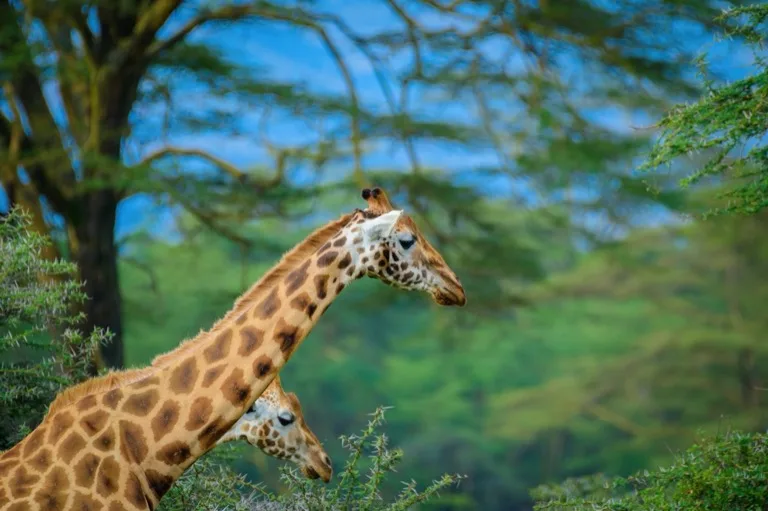
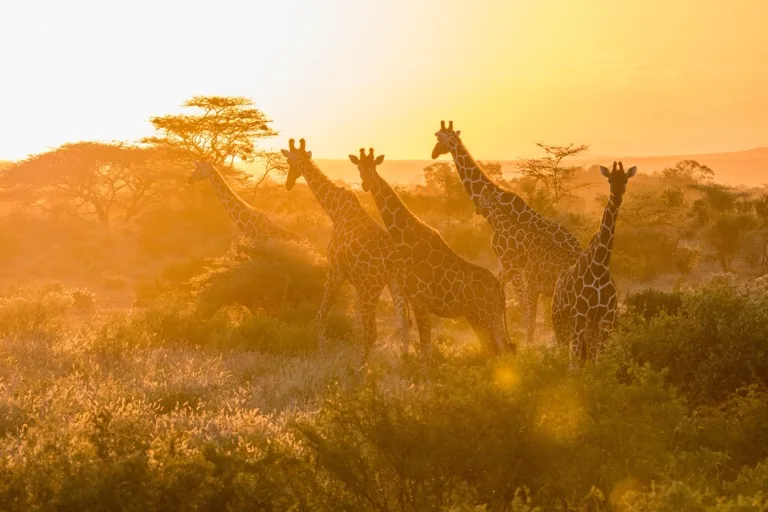
Grevy''s zebra, reticulated giraffe, and gerenuk
CommonMammal · Best time: All day
Elephants and dry-country birds
CommonMammal or Bird · Best time: Dry season
Geography
- Terrain
- Semi-arid savanna, acacia woodland, river corridors, private conservancies
- Elevation
- High plateau
- Climate
- Warm semi-arid highland
- Area
- Large conservancy landscape north of Mount Kenya
Weather
- Best Months
- JuneJulyAugustSeptemberJanuaryFebruary
- Avg. Temperature
- 10-30°C
- Rainfall
- Dry periods are best for access and concentrated wildlife viewing
- Humidity
- 30-75%
Getting There
Nairobi with charter, Nanyuki access, or road transfer
Usually a lodge-based conservancy safari with strong operator logistics
- Private conservancy safari
- Rhino and wild-dog focused itinerary
- Kenya northern circuit extension
(Affiliate link — we may earn a commission.)
Tours & Experiences
Local guides substantially improve animal sighting odds — compare independent operators and dates for Laikipia Plateau / Conservancies below.
(Affiliate links — we may earn a commission.)
Where to Stay
Private conservancy lodges
Premium to LuxuryLodge · Core accommodation model
Check availability on Booking.com →Nanyuki hotels and simpler safari camps
Budget to PremiumHotel or Camp · Useful for wider routes
Check availability on Booking.com →(Affiliate links — we may earn a commission.)