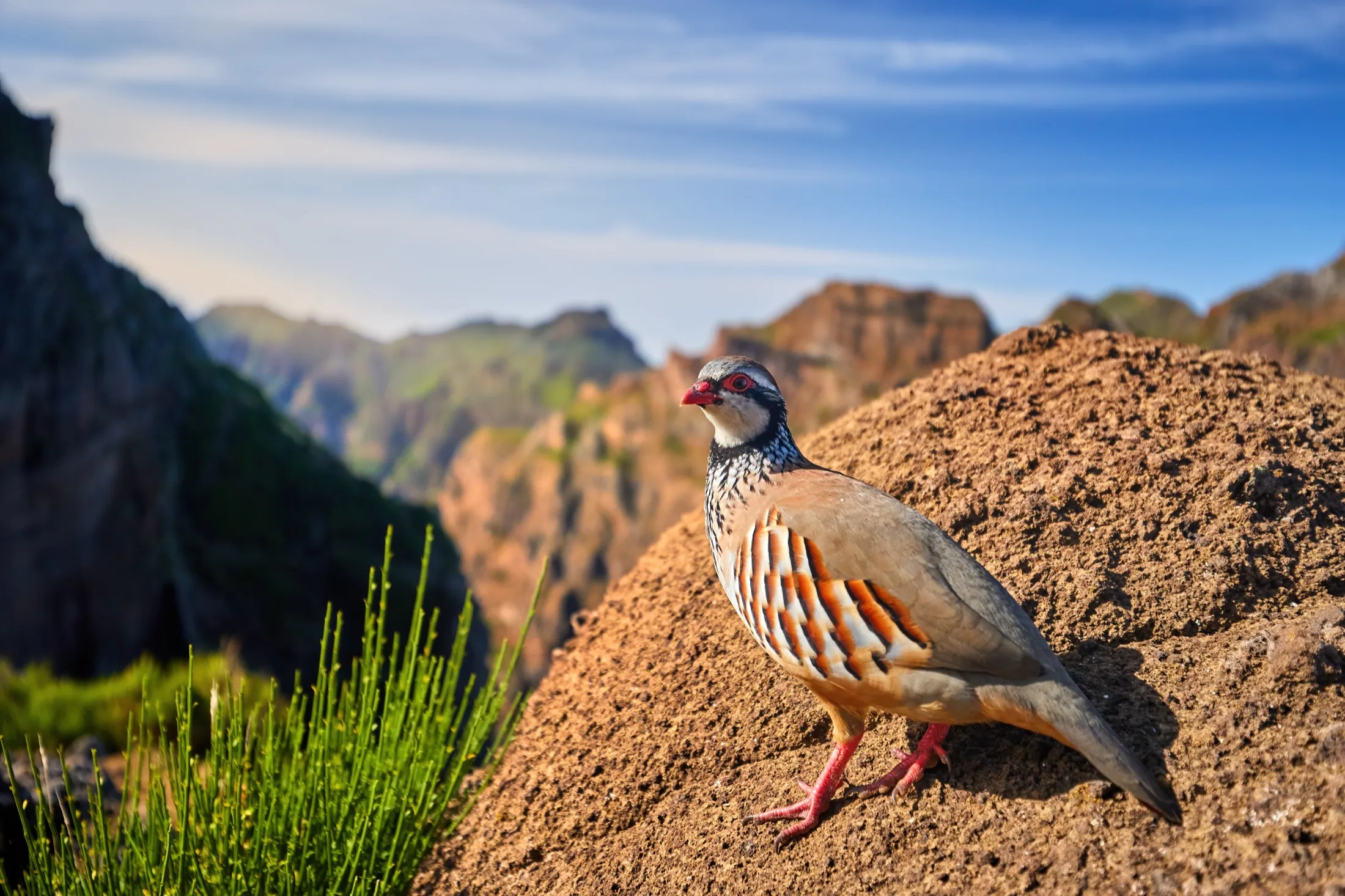
Madeira Natural Park
Madeira Natural Park
Madeira Natural Park covers most of the island's mountainous interior, protecting the largest surviving laurel forest in the world along with seabird colonies and deep water close to shore. It is strongest for travelers who want endemic birds, whales and dramatic walking in a mild climate year-round.
Where to find the wildlife
Madeira's wildlife is in three separate places: the laurisilva forest inland, the sea, and the offshore islets. Each needs a different approach — a walk, a boat, and a permit-controlled landing respectively — and together they make a compact but varied trip.
The laurisilva forest, a UNESCO site and a relict of forests that covered southern Europe millions of years ago, holds the Madeiran laurel pigeon — the island's flagship endemic bird — along with firecrests and chaffinches of the distinctive local race. The levada paths, irrigation channels with maintenance walkways beside them, run through it and are the classic way to walk the island.
Ribeiro Frio and Fanal are the accessible forest sites, Fanal with its ancient moss-draped til trees emerging from cloud, which is as atmospheric as European forest gets.
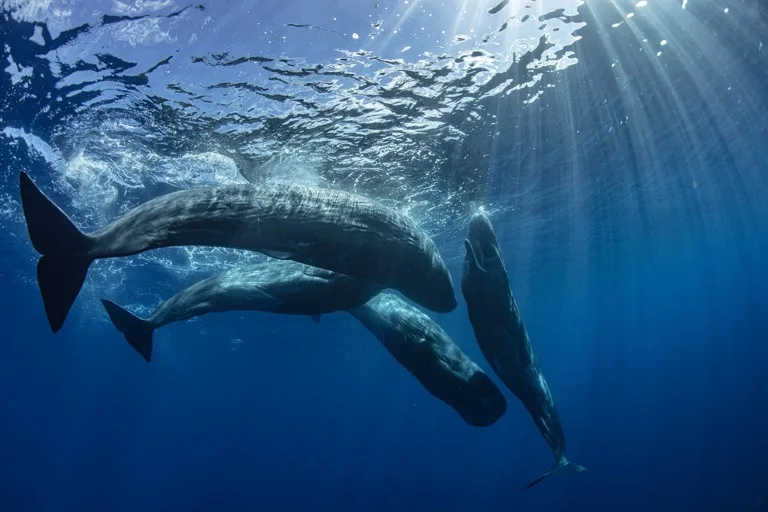
The waters off the south coast hold resident short-finned pilot whales and bottlenose dolphins year-round, with sperm whales, Bryde's whales and several beaked whale species seen on trips out of Funchal and Calheta. The deep water close inshore makes this one of Europe's better cetacean destinations.
The Desertas and Selvagens islands hold the seabirds — Zino's petrel, one of Europe's rarest birds, breeds high in the central massif and is the object of dedicated night trips, while the offshore islets hold shearwaters and the Mediterranean monk seals that have slowly recovered here.
Spring brings flowers and breeding birds; summer is the best for cetaceans and calm seas. The island's mild climate makes any month workable.
Practicalities
Funchal is the base, with direct flights from across Europe. A hire car reaches most levadas, though the mountain roads are steep and the tunnels endless.
Zino's petrel viewing is strictly controlled to protect a tiny breeding population — go only with the authorised guides. Levada walks vary from gentle to genuinely exposed; check the grade before setting out and take a torch for the tunnels.
Gallery
Wildlife Species
Madeiran endemic and Macaronesian birds
UncommonBird · Best time: Morning
Pelagic seabirds and cetaceans offshore
UncommonBird or Mammal · Best time: Boat trips
Island lizards and laurel-forest fauna
UncommonReptile or Mixed · Best time: Warm daylight periods
Monk seal occasionally in protected coastal sectors
RareMammal · Best time: Specialist luck-heavy viewing
Geography
- Terrain
- Volcanic island, laurel forest, cliffs, levadas, offshore Atlantic waters
- Elevation
- Sea level to high island peaks
- Climate
- Subtropical maritime
- Area
- Island-wide protected natural landscape
Weather
- Best Months
- AprilMayJuneSeptemberOctober
- Avg. Temperature
- 14-28°C
- Rainfall
- Moderate and very seasonal by altitude and slope exposure
- Humidity
- 50-95%
Getting There
Madeira Airport with very easy road access around the island
One of the easiest island natural-history destinations in Europe
- Levada and laurel-forest route
- Pelagic boat trip
- Seabird and island-endemic itinerary
(Affiliate link — we may earn a commission.)
Tours & Experiences
Local guides substantially improve Monk seal occasionally in protected coastal sectors sighting odds — compare independent operators and dates for Madeira Natural Park below.
(Affiliate links — we may earn a commission.)
Where to Stay
Hotels and guesthouses across Madeira
Budget to PremiumHotel or Guesthouse · Excellent island-wide base network
Check availability on Booking.com →Rural stays in mountain and forest sectors
Mid-rangeGuesthouse · Useful for trail and birding access
Check availability on Booking.com →(Affiliate links — we may earn a commission.)