Masoala National Park
Masoala National Park
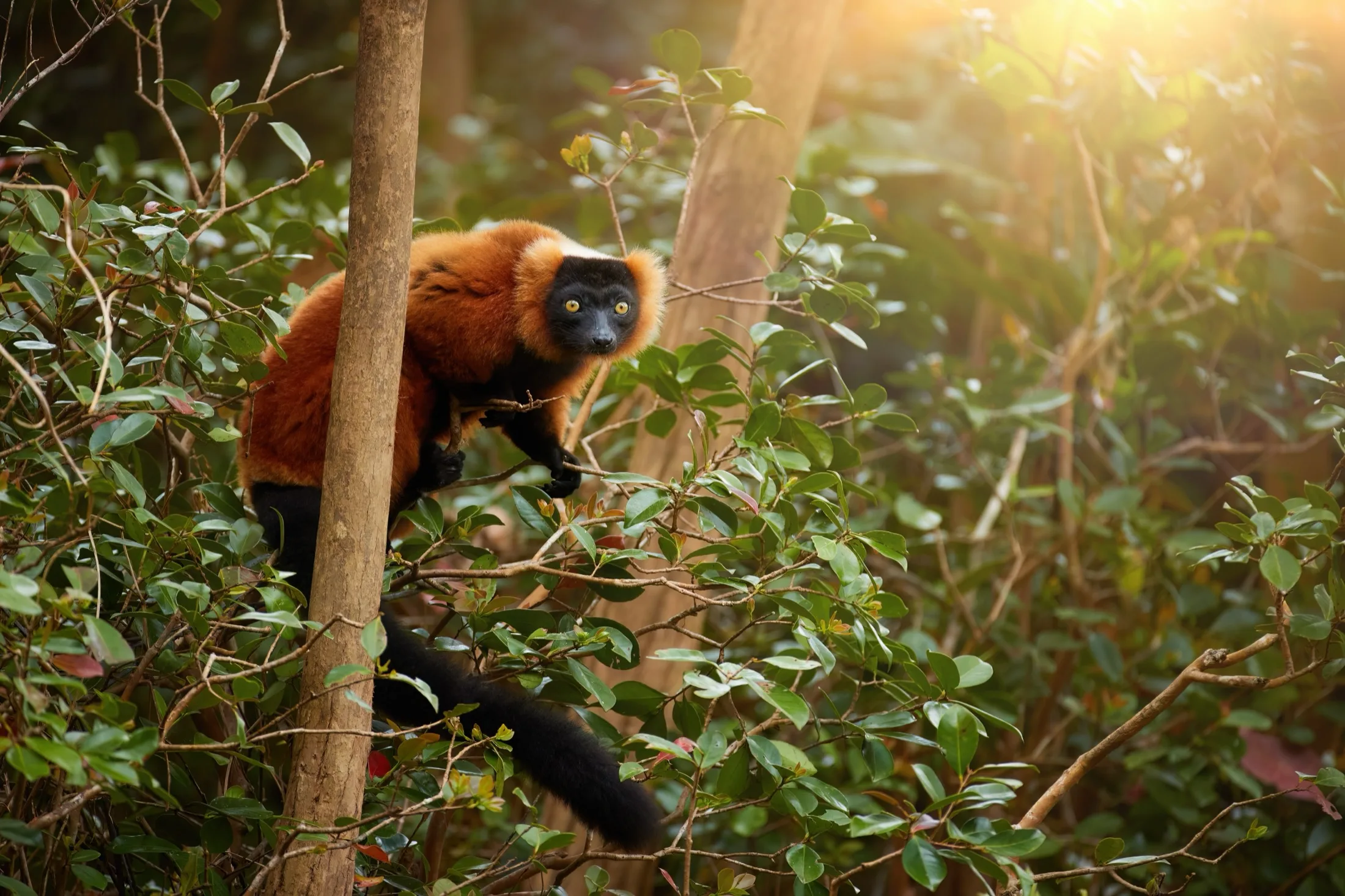
Masoala National Park is Madagascar's largest protected area, a wall of lowland rainforest running down to the sea on the island's northeastern peninsula, holding red ruffed lemurs found nowhere else and a coastline where humpback whales calve. It is strongest for travelers willing to accept rain and remoteness for genuinely primary forest.
Where to find the wildlife
Masoala is not an easy park, and its difficulty is the reason it still has what it has. There are no roads into most of it — access is by boat along the coast from Maroantsetra, and trails climb from the beach into forest that has never been cleared. Everything here rewards patience and tolerance of wet weather.
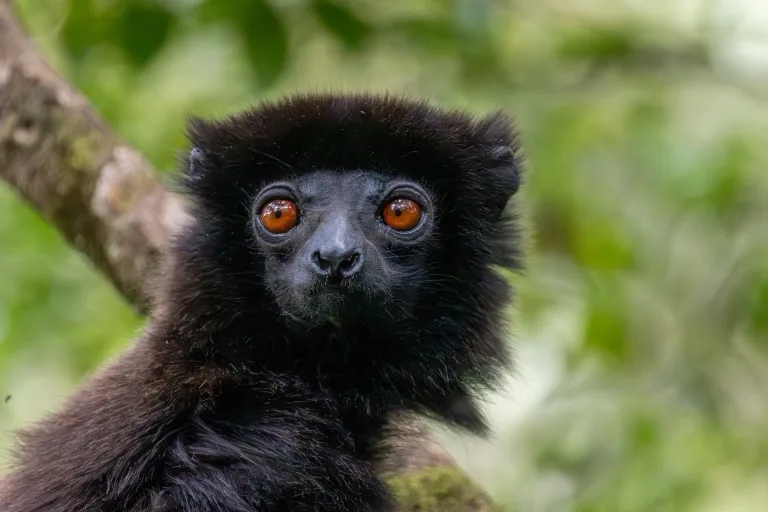
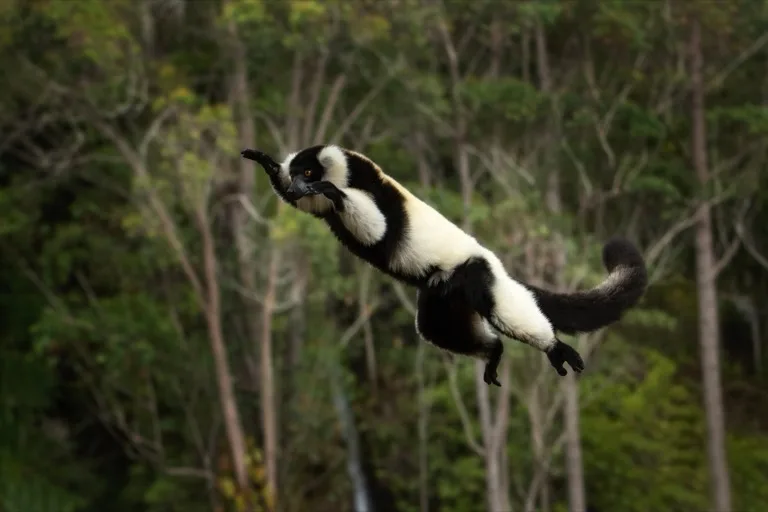
The lowland forest trails behind the coastal camps are the core. Red ruffed lemur, a species restricted entirely to this peninsula, is the headline, along with white-fronted brown lemur and the extraordinary helmet vanga. This is also among the best places to look for the aye-aye's smaller relatives and for leaf-tailed geckos, which need a guide's eye to find at all.
Nosy Mangabe, an island reserve in Antongil Bay on the way in, is the classic overnight stop. Aye-aye were introduced here decades ago and the island offers the most realistic chance of the species anywhere, on night walks among the buttress roots.
Antongil Bay itself fills with humpback whales from roughly July to September, when they arrive to calve and mate in the sheltered water. Boat trips out of Maroantsetra put you among breaching adults and mothers with calves.
The reef and shoreline in front of the camps add snorkelling directly off the beach — a rare thing to be able to combine with primary rainforest in one day.
September to December is the practical window, avoiding the cyclone season and the heaviest rain. Even then, expect rain: this is one of the wettest regions in Madagascar and equipment needs proper waterproofing.
Practicalities
Maroantsetra is reached by air from Antananarivo, and boat transfers along the coast to the lodges take one to two hours and are weather-dependent. There is no infrastructure inside the park beyond trails and simple camps.
A local guide is required, and the good ones are excellent — they find in minutes what you would not find in a day. Leeches are a fact of life on the trails; gaiters help.
Gallery
Wildlife Species
Red Ruffed Lemur
RareMammal · Best time: Morning
Helmet Vanga
RareBird · Best time: Morning
Tomato Frog
UncommonAmphibian · Best time: Night or Wet Conditions
Leaf-tailed Gecko
UncommonReptile · Best time: Night Walks
Geography
- Terrain
- Lowland rainforest, coastal forest, mangroves, beaches, coral reef and marine zones
- Elevation
- Sea level to over 1200m
- Climate
- Hot wet tropical rainforest
- Area
- About 2300 km2 plus marine protected areas
Weather
- Best Months
- SeptemberOctoberNovember
- Avg. Temperature
- 20-31°C
- Rainfall
- Very high, with cyclones and difficult wet season access
- Humidity
- 75-100%
Getting There
Maroantsetra Airport via Antananarivo
Usually reached by domestic flight to Maroantsetra and then boat transfer or remote overland access
- Domestic flight to Maroantsetra
- Boat transfer to park camps or lodges
- Multi-day guided rainforest and coastal wildlife trips
(Affiliate link — we may earn a commission.)
Tours & Experiences
Local guides substantially improve Red Ruffed Lemur sighting odds — compare independent operators and dates for Masoala National Park below.
(Affiliate links — we may earn a commission.)
Where to Stay
Remote eco lodges on the Masoala coast
Mid-range to PremiumEco Lodge · Reached by boat or remote transfer
Check availability on Booking.com →Simple guesthouses in Maroantsetra
BudgetGuesthouse · Used as staging points before park access
Check availability on Booking.com →(Affiliate links — we may earn a commission.)