Pacaya Samiria National Reserve
Pacaya Samiria National Reserve
Pacaya-Samiria National Reserve is Peru's largest protected area, a vast seasonally flooded forest between the Marañón and Ucayali rivers known as the jungle of mirrors for the way the canopy reflects in still black water. It is strongest for travelers who want river dolphins, primates, and Amazon wetland rather than terra firme forest.
Where to find the wildlife
This is flooded forest, and the water level changes everything. In high water you paddle among the treetops and wildlife is dispersed through a submerged canopy; in low water beaches emerge, animals concentrate along the channels, and walking becomes possible. Neither is better — but they are completely different trips and worth choosing deliberately.
The main channels and cochas hold the reserve's headline species. Pink and grey river dolphins surface constantly along the Yanayacu and Pacaya rivers, and the oxbow lakes hold black caiman, giant otter families and, on the quieter lakes, the prehistoric-looking hoatzin in the marginal vegetation.
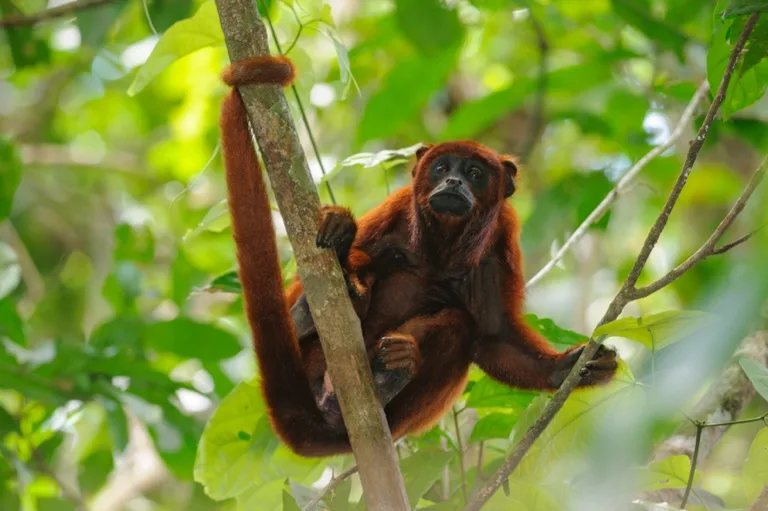
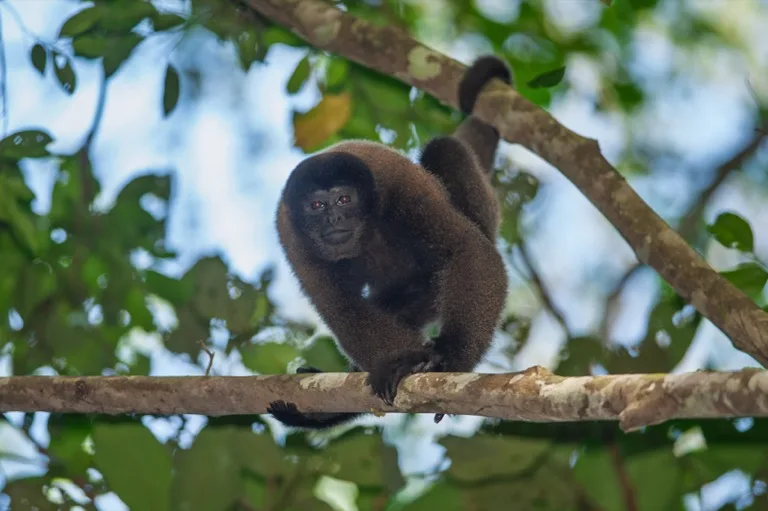
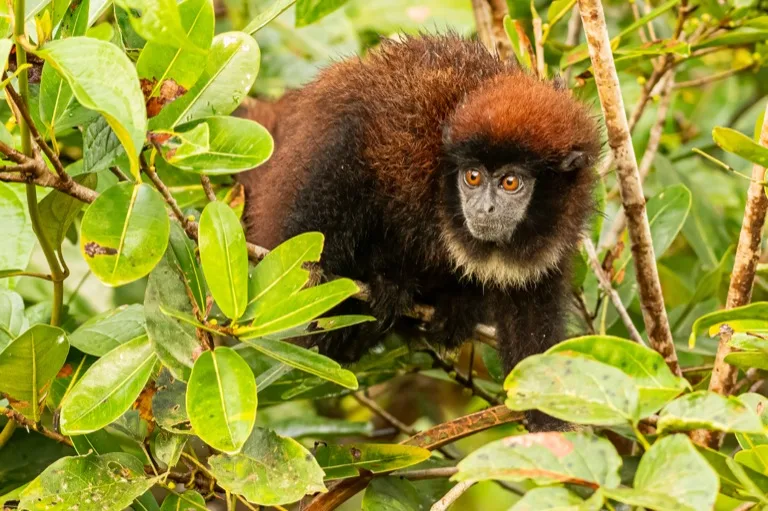
The flooded forest itself is where the primates are — monk saki, squirrel and woolly monkeys, and the red uakari with its startling bare crimson face in the right areas. A paddled canoe drifting under the canopy at dawn gets you far closer than any motorised boat.
The beaches in low water, roughly June to November, are where turtles nest and where fishing and night spotting for caiman are easiest. This is the season most operators recommend for general wildlife.
The community villages along the reserve's edge run much of the tourism here, and the reserve is a well-known example of community management — local families act as guides and monitor the paiche and turtle populations they once depleted.
Practicalities
Access is from Iquitos, itself reachable only by air or river, with most trips starting at Nauta a couple of hours away by road. Options run from basic community lodges to river cruise boats working the reserve's mouth.
Be clear when booking whether a trip actually enters the reserve: a great many Iquitos tours operate in the buffer zone or on the Amazon mainstream and describe themselves loosely. Entering requires a permit and a registered guide, and the difference in wildlife between inside and outside is substantial.
Gallery
Wildlife Species
Amazon River Dolphin
UncommonMammal · Best time: Boat excursions on rivers and lagoons
Giant Otter
UncommonMammal · Best time: Quiet oxbow lakes and creeks
Hoatzin
CommonBird · Best time: Edges of flooded forest and lagoons
Black Caiman
UncommonReptile · Best time: Night boat trips
Geography
- Terrain
- Seasonally flooded Amazon rainforest, rivers, oxbow lakes, blackwater channels, river islands
- Elevation
- About 80-150m
- Climate
- Hot humid tropical rainforest
- Area
- About 20800 km2
Weather
- Best Months
- JuneJulyAugustSeptemberOctober
- Avg. Temperature
- 23-32°C
- Rainfall
- Wet year-round, with lower-water months often helping trail access and sightings
- Humidity
- 75-100%
Getting There
Iquitos with onward river transfer by fast boat or expedition boat
Moderately demanding Amazon access, but much easier than the most remote western Amazon sites
- Lodge-based river and creek excursions
- Multi-day boat itineraries
- Specialist birding and dolphin-focused trips
(Affiliate link — we may earn a commission.)
Tours & Experiences
Local guides substantially improve Amazon River Dolphin sighting odds — compare independent operators and dates for Pacaya Samiria National Reserve below.
(Affiliate links — we may earn a commission.)
Where to Stay
Amazon lodges in and around reserve access corridors
Mid-range to PremiumLodge · Boat-based access to main wildlife areas
Check availability on Booking.com →Simple river camps and expedition boats
Budget to Mid-rangeCamp or Boat · Closer to more remote sectors
Check availability on Booking.com →(Affiliate links — we may earn a commission.)