Cuyabeno Wildlife Reserve
Cuyabeno Wildlife Reserve
Cuyabeno Wildlife Reserve protects a flooded forest in Ecuador's northeastern Amazon, a system of blackwater lagoons and igapó forest that concentrates monkeys, dolphins, and caiman around water. It is strongest for travelers who want accessible, affordable Amazon wildlife with a genuinely high strike rate.
Where to find the wildlife
Cuyabeno is defined by the Laguna Grande lagoon system and the Cuyabeno river that feeds it. Because so much of the reserve is water, animals are pushed into the trees along the banks where they are visible from a canoe — which is why this reserve punches above its weight compared with terra firme forest elsewhere in the Amazon.
The Laguna Grande is the centrepiece: a wide blackwater lagoon ringed by drowned forest, where you swim at dusk among pink river dolphins, watch the sunset from the boat and hear the forest change over. Dolphins surface here regularly and are the reserve's signature.
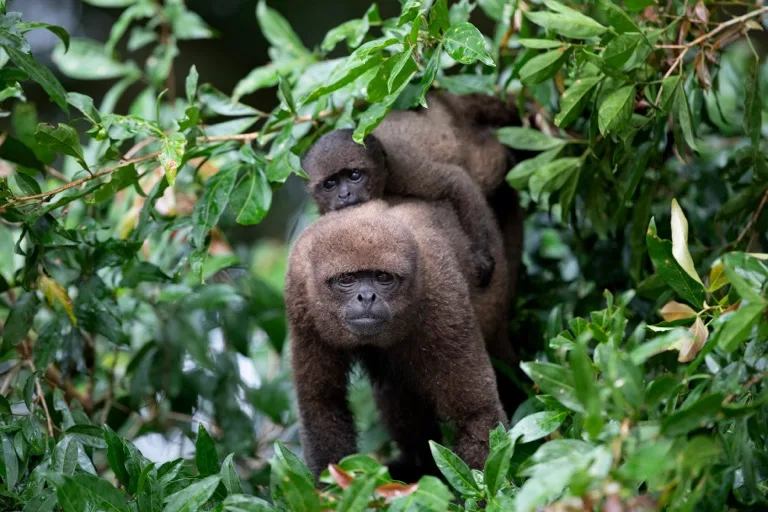
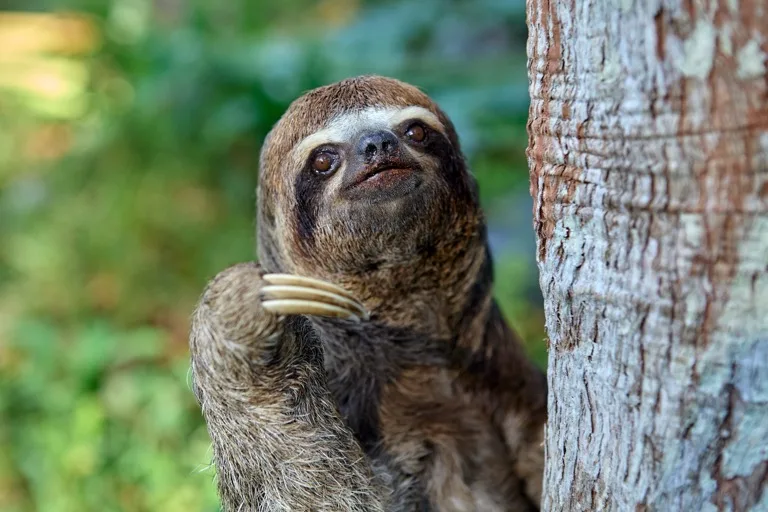
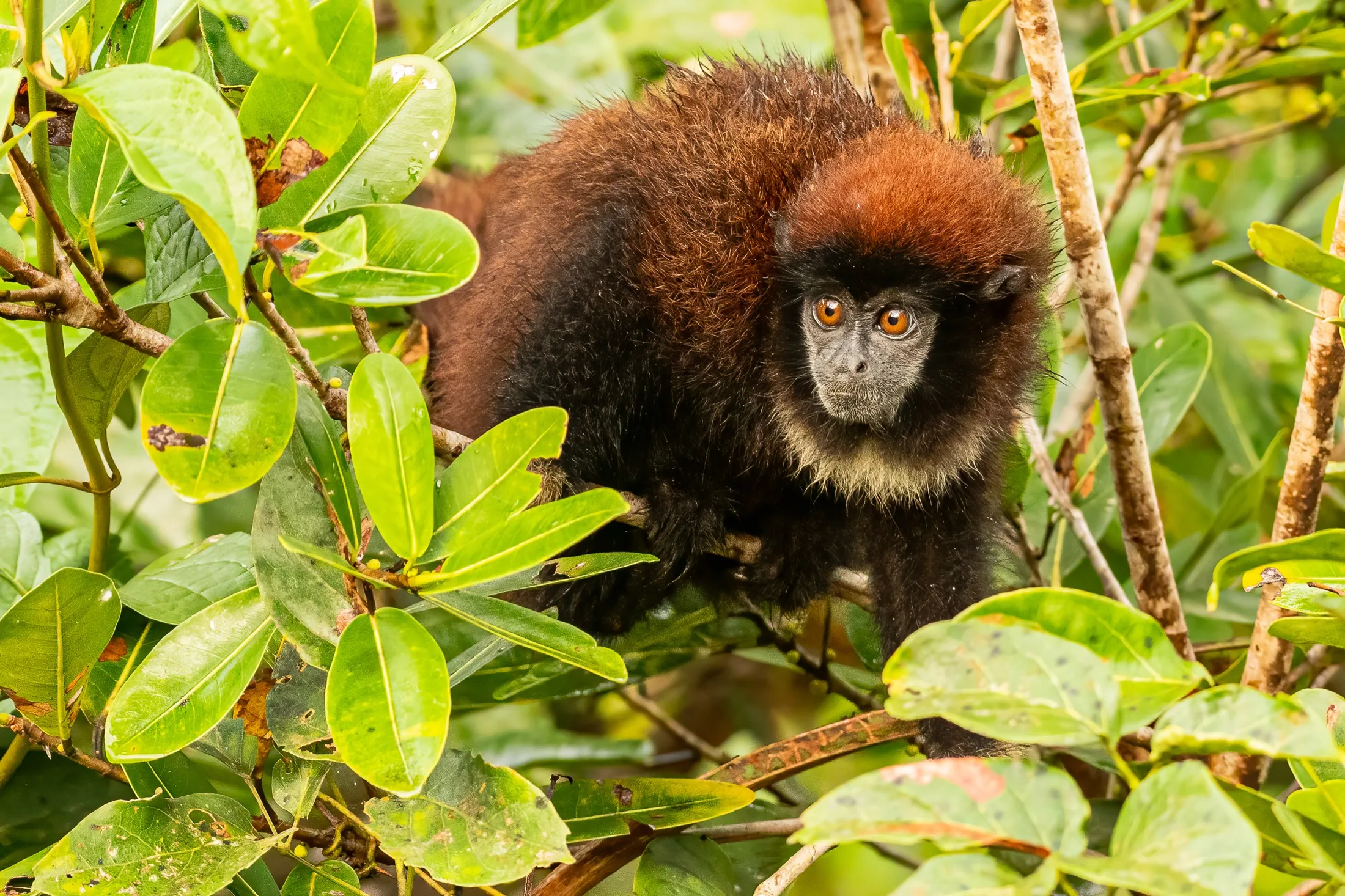
The narrow creeks and igapó off the main lagoon are the wildlife-rich water. Canoes drift under the canopy past squirrel monkeys crossing overhead, dusky titi and woolly monkeys, three-toed sloths, and the hoatzin colonies that crash about in the marginal branches.
The night boat is the reliable caiman activity — black and spectacled caiman picked out by torchlight along the banks, plus tree frogs, fishing bats and, occasionally, an anaconda.
The forest trails behind the lodges add the terrestrial layer: tarantulas, poison frogs, leafcutter columns and, with a good guide, tamandua and armadillo.
Water level shapes the visit as much as season. High water from roughly April to July floods the forest and makes canoe travel among the trees possible; low water from December to March exposes trails and beaches.
Practicalities
Access is via Lago Agrio, a short flight or long bus ride from Quito, then a road transfer to the bridge and two to three hours by motorised canoe. Lodges are simple and largely community-linked; the reserve is one of Ecuador's better-value Amazon options.
Cuyabeno sits in an oil-producing region, and the contrast between the reserve and the infrastructure around it is stark — part of what you are looking at, and worth reading about.
Gallery
Wildlife Species
Amazon River Dolphin
UncommonMammal · Best time: Morning or Evening
Hoatzin
CommonBird · Best time: Morning
Black Caiman
CommonReptile · Best time: Night
Squirrel Monkey
CommonMammal · Best time: Morning
Geography
- Terrain
- Blackwater lagoons, flooded forest, rivers, lowland rainforest
- Elevation
- 190-300m
- Climate
- Humid equatorial
- Area
- About 6000 km2
Weather
- Best Months
- DecemberJanuaryAugustSeptember
- Avg. Temperature
- 21-32°C
- Rainfall
- High year round
- Humidity
- 80-100%
Getting There
Quito to Lago Agrio, then road and canoe transfer
Boat approach from reserve entry point
- Canoe to jungle lodges
- Lagoon wildlife excursions
- Night walks and boat trips
(Affiliate link — we may earn a commission.)
Tours & Experiences
Local guides substantially improve Amazon River Dolphin sighting odds — compare independent operators and dates for Cuyabeno Wildlife Reserve below.
(Affiliate links — we may earn a commission.)
Where to Stay
Jungle lodges in the Cuyabeno system
Budget to Mid-rangeLodge · Boat access
Check availability on Booking.com →Eco lodges on blackwater lagoons
Mid-rangeEco Lodge · Inside reserve waterways
Check availability on Booking.com →(Affiliate links — we may earn a commission.)