Pantanal
Pantanal
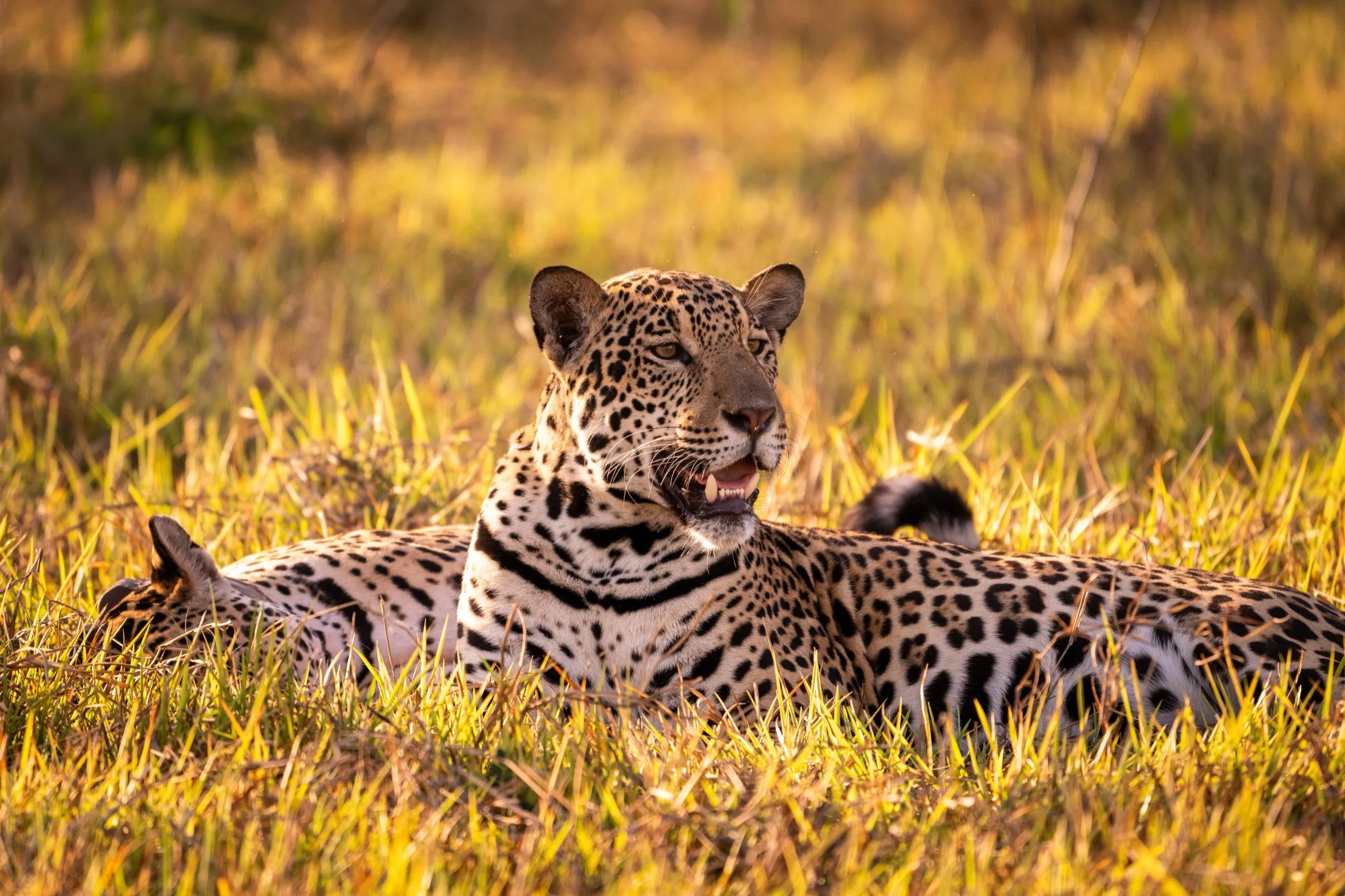
The Pantanal is the world's largest tropical wetland and the best place on Earth to see a jaguar, a vast seasonal floodplain in western Brazil where open water, gallery forest, and grassland hold wildlife at densities the Amazon cannot match. It is strongest for travelers who want big, visible mammals and spectacular birds in a landscape where seeing them is genuinely easy.
Where to find the wildlife
Unlike rainforest, the Pantanal is open country, and that single fact is why it out-delivers the Amazon for wildlife watching. Almost everything here follows the water: as the floods recede through the dry season the animals concentrate along the remaining rivers and pools, and by September they are about as findable as wild animals get.
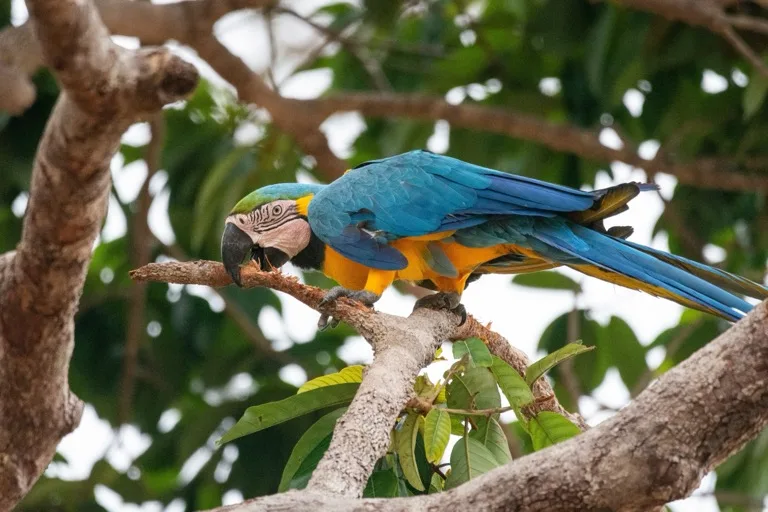
The Transpantaneira, the raised dirt road running south from Poconé, is a wildlife drive in its own right rather than merely the way in. Its bridges and roadside ponds hold capybara, caiman by the hundred, jabiru storks and hyacinth macaws, and much of the classic Pantanal bird list can be seen from the verge.
Porto Jofre, at the road's end on the Cuiabá river, is the jaguar capital. Boats work the river channels slowly, looking for cats resting on the banks in the heat of the day — and this is the rare wildlife destination where sightings are close to expected rather than hoped for, with operators reporting high success rates across a three-day stay in the dry season.
The side rivers and oxbows, particularly the Rio Claro and the Três Irmãos, are where giant river otters are most often found, hunting in noisy family groups. They are also the better water for smaller specialities: sunbitterns, agami herons and boat-billed herons in the shade of the banks.
The ranch grasslands away from the rivers are the place for giant anteater and, at dusk, for tapir and crab-eating fox. Many of the working fazendas along the Transpantaneira take guests, and their open pasture is easier ground for these species than the riverside.
July through October is the window: water at its lowest, wildlife at its most concentrated, jaguar sightings at their peak. Jaguars are the exception to the usual dawn-and-dusk rule — boats find them along the banks through the middle of the day — but everything else follows the standard pattern of early and late.
Practicalities
The northern Pantanal is reached by flying to Cuiabá and driving the Transpantaneira, roughly 100 km to Poconé and then another 145 km of dirt road to Porto Jofre. The southern Pantanal, entered from Campo Grande, is quieter and cheaper but has no equivalent to the Porto Jofre jaguar boats. In the wet season, roughly December to March, much of the road network floods and many lodges close.
Gallery
Wildlife Species
Jaguar
UncommonMammal · Best time: Morning
Giant Anteater
UncommonMammal · Best time: Dawn/Dusk
Capybara
AbundantMammal · Best time: All Day
Hyacinth Macaw
UncommonBird · Best time: Morning
Giant River Otter
RareMammal · Best time: Morning
Geography
- Terrain
- Wetlands, grasslands, forest patches
- Elevation
- 80-150m
- Climate
- Tropical wet and dry
- Area
- 140,000-195,000 km²
Weather
- Best Months
- JulyAugustSeptemberOctober
- Avg. Temperature
- 25-35°C
- Rainfall
- Very low in dry season
- Humidity
- 60-80%
Getting There
Cuiabá Airport (Northern) or Campo Grande Airport (Southern)
100-200km to lodges
- 4WD transfer along Transpantaneira
- Charter flights available
- Multi-day boat tours
(Affiliate link — we may earn a commission.)
Tours & Experiences
Local guides substantially improve Jaguar sighting odds — compare independent operators and dates for Pantanal below.
(Affiliate links — we may earn a commission.)
Where to Stay
Pousadas around Miranda
$$ to $$$$Pousada · Southern Pantanal
Check availability on Booking.com →Lodges at Porto Jofre
$$$Lodge · Porto Jofre
Check availability on Booking.com →Pousada Piuval
$$Ranch Lodge · Transpantaneira
Check availability on Booking.com →(Affiliate links — we may earn a commission.)