Madidi National Park
Madidi National Park
Madidi National Park runs from Andean cloud forest down to Amazon lowlands in northern Bolivia, one of the most biodiverse protected areas on the planet and the most accessible piece of genuinely wild Amazon in the country. It is strongest for travelers who want serious rainforest with community-run lodges and a fraction of Peru's visitor numbers.
Where to find the wildlife
Madidi's altitudinal span — from over 5,000 metres to under 200 — is what produces its species list, but visitors almost all experience the lowland end, reached by boat up the Beni and Tuichi rivers from Rurrenabaque. What you see depends on how far upriver you go and how long you stay.
The Tuichi river and its oxbow lakes are the core. Lakes reached by short walks from the river hold black caiman, hoatzin and, with luck, giant otter, and dawn on the water is when capybara and tapir tracks turn into actual animals.
The clay licks deep in the park draw macaws and parrots at first light, and mammals including peccary at other times. Reaching the better ones means a longer river journey and at least three or four nights in the park.
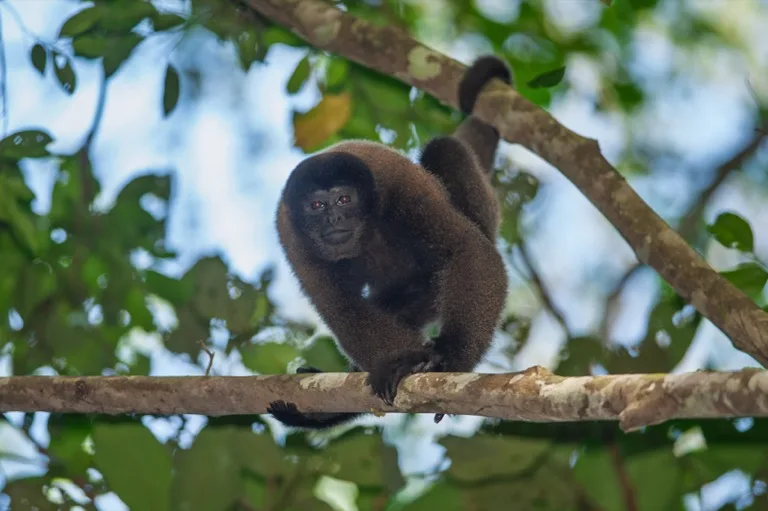
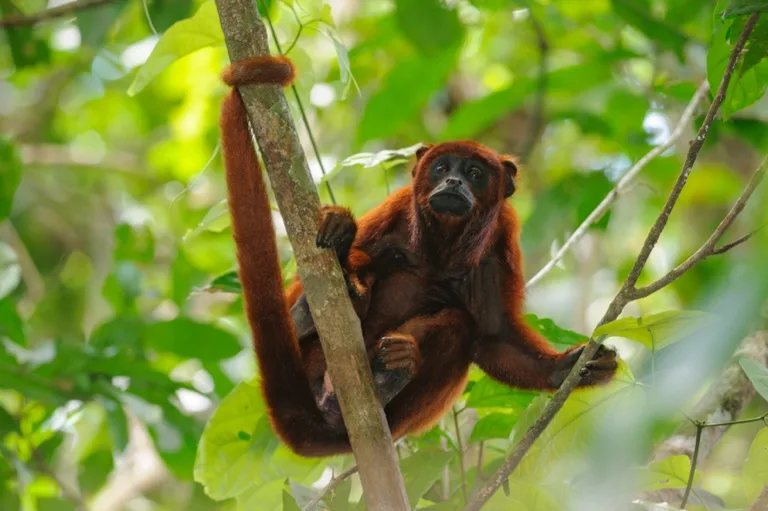
The forest trails from the lodges hold the primates — red howler, spider and squirrel monkeys, and the endemic Bolivian titi monkey, a species described only in this century and found nowhere else.
The pampas, a separate wetland landscape north of Rurrenabaque, is the other half of most itineraries and is much easier for visible wildlife: caiman, capybara, pink river dolphins and anaconda in open grassland along the Yacuma river. It is not Madidi proper, but it is where most people get their best sightings.
May to October is the dry season and the practical window, with lower water and easier trails. Rain is a constant possibility regardless.
Practicalities
Rurrenabaque is reached by a short flight from La Paz — spectacular, small aircraft, frequently delayed by weather — or a long, rough bus journey.
Several lodges here are owned and run by the Indigenous communities within the park, Chalalán and San Miguel del Bala among the best known, and choosing one keeps tourism revenue with the people whose land this is. Pampas tours are much cheaper than Madidi lodges and are sold aggressively in town; the two experiences are genuinely different, and if you have the time and budget, do both.
Gallery
Wildlife Species
Black Spider Monkey
UncommonMammal · Best time: Morning
Blue-and-yellow Macaw
CommonBird · Best time: Early Morning
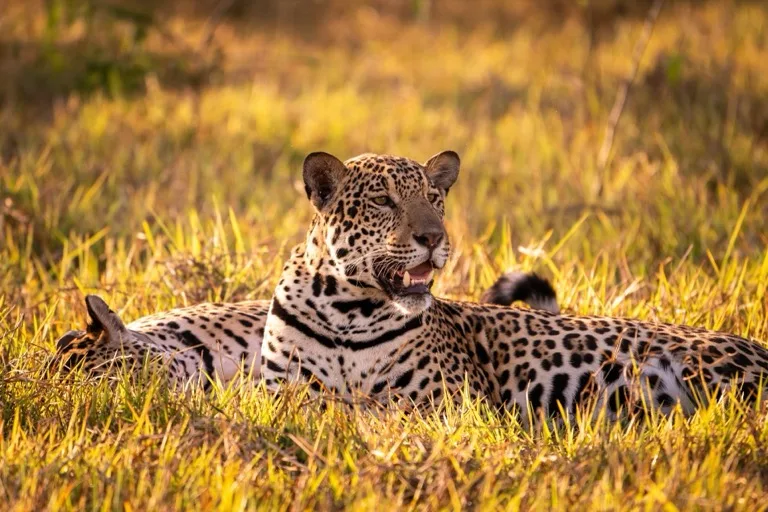
Jaguar
RareMammal · Best time: Dawn or Dusk
Spectacled Bear
Very RareMammal · Best time: Dawn or Dusk
Geography
- Terrain
- Andean foothills, rainforest, rivers, cloud forest
- Elevation
- 180-6000m
- Climate
- Tropical to alpine
- Area
- About 18950 km2
Weather
- Best Months
- MayJuneJulyAugust
- Avg. Temperature
- 10-31°C
- Rainfall
- Lower in dry season
- Humidity
- 70-100%
Getting There
La Paz to Rurrenabaque by air or road
River access into the park from Rurrenabaque
- Boat and lodge expeditions
- Community run eco tours
- Multi-day forest trips
(Affiliate link — we may earn a commission.)
Tours & Experiences
Local guides substantially improve Black Spider Monkey sighting odds — compare independent operators and dates for Madidi National Park below.
(Affiliate links — we may earn a commission.)
Where to Stay
Jungle lodges from Rurrenabaque routes
Budget to Mid-rangeLodge · Boat access
Check availability on Booking.com →Remote conservation camps
Mid-rangeEco Camp · Inside access corridors
Check availability on Booking.com →(Affiliate links — we may earn a commission.)