Spiti / Kibber / Pin Valley
Spiti / Kibber / Pin Valley
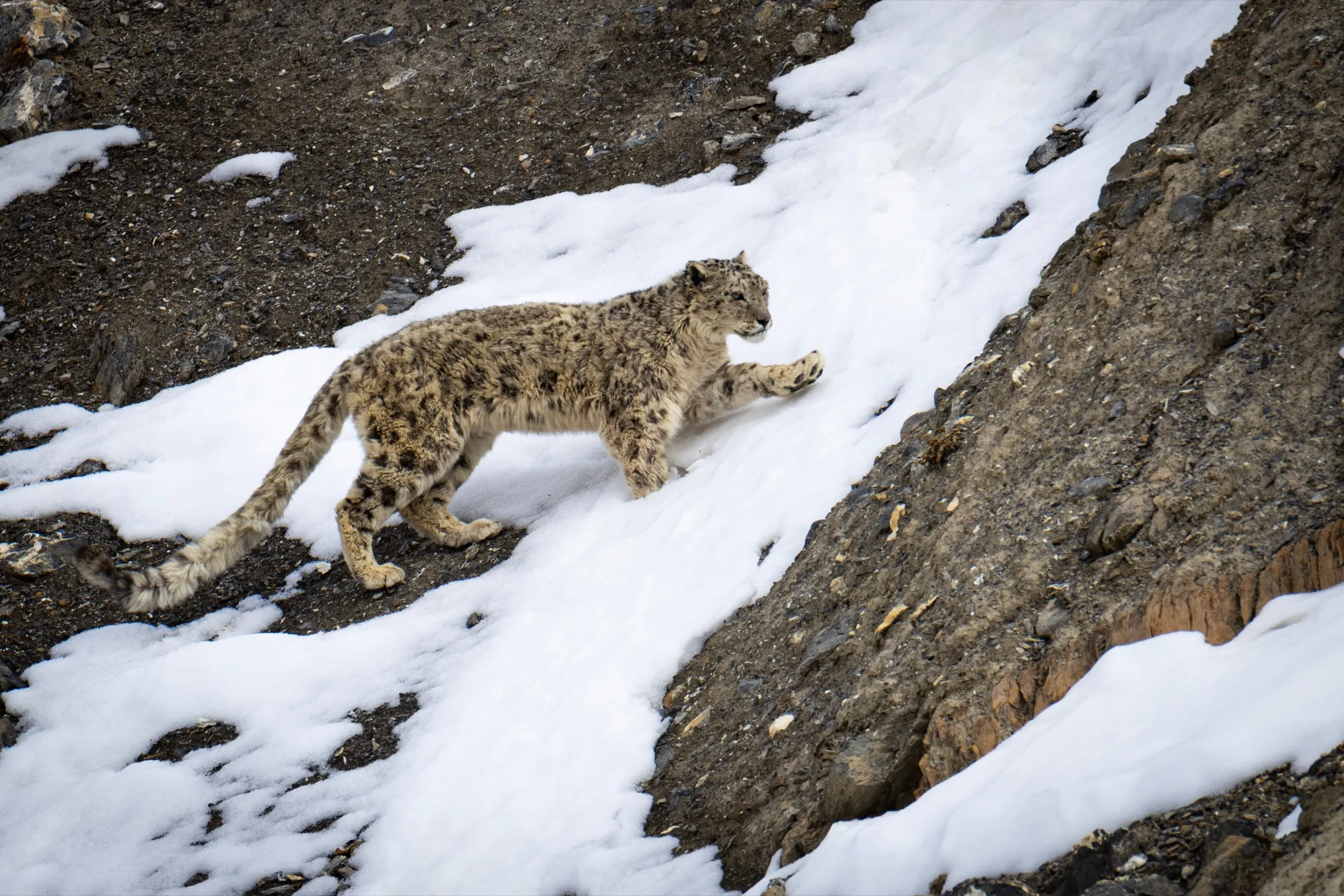
The Spiti valley and its Kibber and Pin sub-valleys form India's premier snow leopard destination, a cold desert in the trans-Himalaya at over 4,000 metres where cliffs and villages hold one of the highest densities of the cat anywhere. It is strongest for travelers prepared for extreme winter conditions in exchange for a genuine chance at the animal.
Where to find the wildlife
Snow leopard viewing here is a spotting game, not a trekking one. Teams of local spotters scan the cliffs with telescopes from valley floors and ridge points, and when a cat is found the group walks to a viewing position. Sightings are usually distant — expect a scope view, not a portrait.
The Kibber area above Kaza is the best-known ground, with a wildlife sanctuary and a long history of research and community-based tourism. The cliffs above the village and the adjoining valleys are worked daily through the winter season.
The Pin valley, to the south, is the other main area and holds the same species with fewer visitors, along with the ibex herds that are the leopards' main prey.
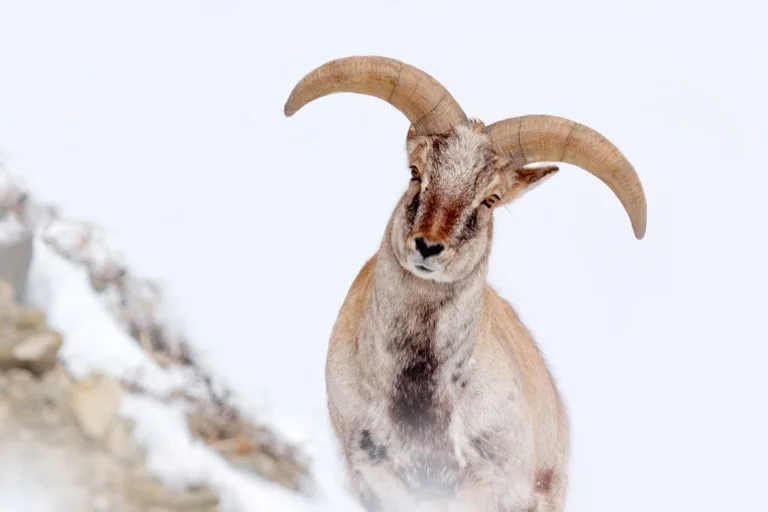
The prey base itself is the reason the cats are here: blue sheep on the open slopes and Siberian ibex on the cliffs, both easily seen and worth watching for their own sake. Where they concentrate, the leopards follow.
The villages and monasteries hold red fox, Himalayan wolf on the higher plateaus, and a good winter bird list — snow pigeon, Tibetan snowcock, lammergeier and golden eagle.
The season is winter: roughly late January to March, when snow pushes prey and predators to lower altitudes and the cats become findable. Summer visits give a spectacular landscape and almost no chance of a snow leopard.
Practicalities
Access in winter is via Shimla and a long, cold drive over the Kunzum route being closed — typically two to three days from Shimla with overnight stops, and the road is snowbound and occasionally cut. Homestays in Kibber and nearby villages provide the accommodation, and the payments are a central part of the community's stake in protecting the cats.
Altitude is the serious risk: Kibber sits above 4,200 metres, and you arrive from low elevation. Acclimatise properly, and take the cold seriously — night temperatures fall far below freezing and there is limited heating.
Gallery
Wildlife Species
Snow leopard
RareMammal · Best time: Winter tracking
Blue sheep, ibex, and Tibetan wolf
UncommonMammal · Best time: Winter slopes
Red fox and Himalayan pika
UncommonMammal · Best time: Morning and evening
Lammergeier, golden eagle, and high-altitude birds
UncommonBird · Best time: Daytime thermals
Geography
- Terrain
- High-altitude cold desert, cliffs, valleys, villages, alpine slopes
- Elevation
- Very high Himalayan plateau and valleys
- Climate
- Cold arid alpine
- Area
- High-Himalayan landscape in Himachal Pradesh
Weather
- Best Months
- JanuaryFebruaryMarch
- Avg. Temperature
- -25-8°C
- Rainfall
- Winter snow and extreme cold define snow leopard tracking; summer is easier but less focused
- Humidity
- 15-55%
Getting There
Chandigarh, Delhi, or Kullu with long mountain road transfers depending on season
Difficult, high-altitude, weather-dependent road access
- Snow leopard expedition
- High-Himalayan mammal photography
- Cold-desert landscape and wildlife route
(Affiliate link — we may earn a commission.)
Tours & Experiences
Local guides substantially improve Snow leopard sighting odds — compare independent operators and dates for Spiti / Kibber / Pin Valley below.
(Affiliate links — we may earn a commission.)
Where to Stay
Kibber and Spiti homestays
Budget to Mid-rangeHomestay · Primary expedition accommodation
Check availability on Booking.com →Kaza hotels and guesthouses
Budget to Mid-rangeHotel or Guesthouse · Regional base when roads allow
Check availability on Booking.com →(Affiliate links — we may earn a commission.)