Way Kambas National Park
Way Kambas National Park
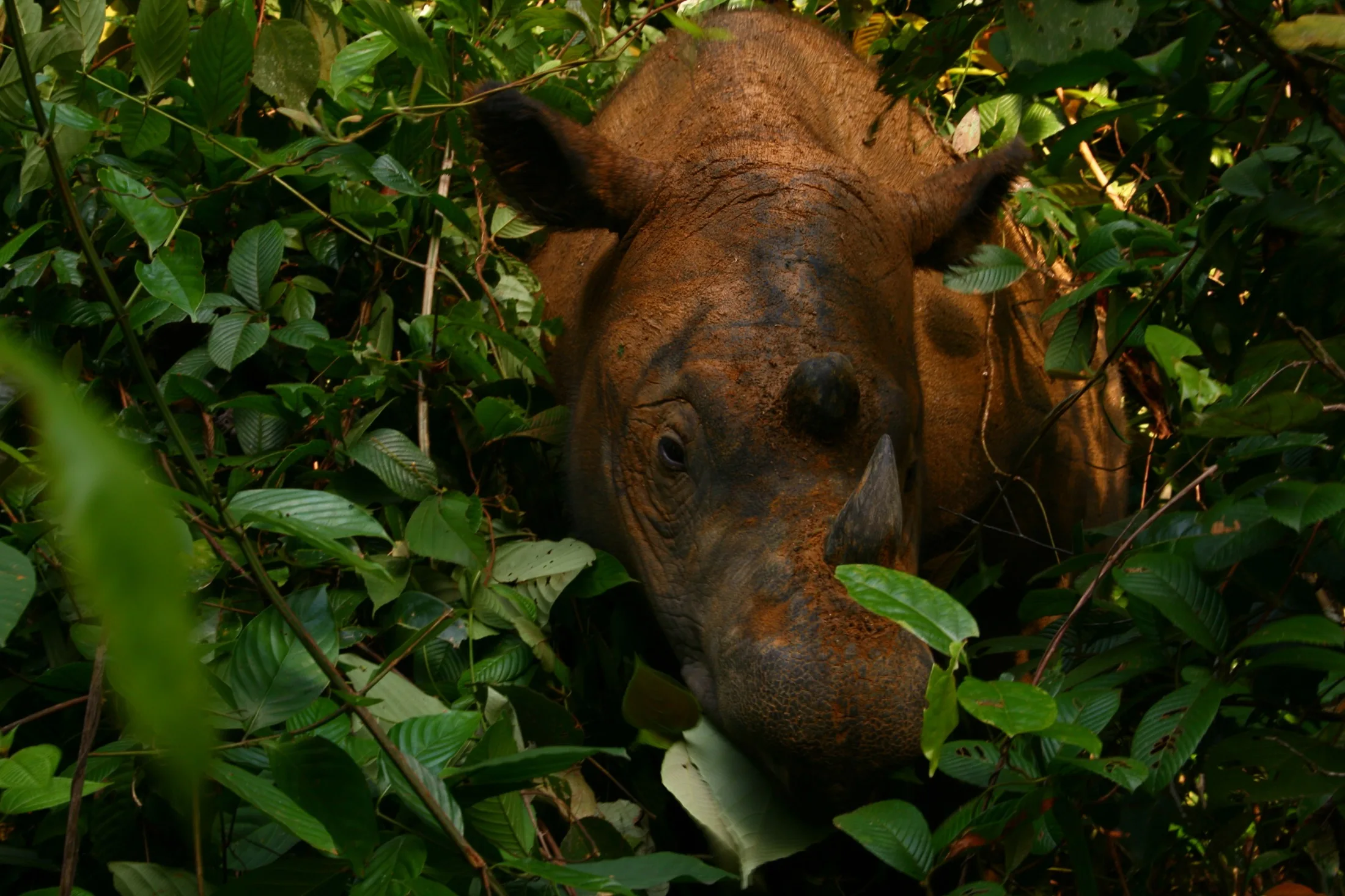
Way Kambas in southern Sumatra is one of the last refuges of the Sumatran rhinoceros and Sumatran elephant, a lowland forest and swamp park that is among the most important conservation sites in Southeast Asia. It is strongest for travelers who want serious conservation context and excellent birding rather than easy wildlife viewing.
Where to find the wildlife
Way Kambas is a place where the headline species are effectively invisible in the wild, and the honest experience is built around the river, the birding, and the conservation facilities. Approaching it that way makes for a rewarding visit; expecting rhinos in the forest does not.
The Way Kanan river, worked by boat at dawn, is the best wildlife activity. Kingfishers, storks, hornbills and macaques line the banks, and the early light on the water is the park at its best.
The forest trails and grasslands around Way Kanan hold an outstanding bird list — white-winged duck, Storm's stork, and a long list of Sumatran specialities that draw serious birders from around the world.
The Sumatran Rhino Sanctuary within the park is a captive breeding facility holding a handful of animals of a species now numbering fewer than a hundred worldwide. Visits are restricted and arranged in advance; it is not a zoo, and the breeding programme is one of the species' last chances.
The Elephant Conservation Centre near the park entrance works with captive elephants used in patrols and conflict mitigation. Its history is complicated and the welfare standards have improved over time — ask questions, and avoid any operation offering rides.
Night drives along the park roads produce civets, deer and the occasional wild elephant crossing.
The drier months from May to September make tracks passable; the wet season floods much of the park.
Practicalities
Access is from Bandar Lampung, a few hours by road, itself a short flight from Jakarta. Accommodation is basic guesthouses at Way Kanan or outside the park.
Book through operators who work with the park authority, particularly for anything involving the rhino sanctuary. Way Kambas has suffered badly from poaching and encroachment over the decades, and the tourism that exists is part of what funds the patrols.
Gallery
Wildlife Species
White-winged duck and swamp-forest birds
RareBird · Best time: Early morning and dusk
Hornbills, pittas, trogons, and night birds
UncommonBird · Best time: Morning and night walks
Asian elephant, tapir, and sun bear
RareMammal · Best time: Luck-dependent
Sumatran rhino habitat
Very RareMammal · Best time: Not a normal viewing target
Geography
- Terrain
- Lowland rainforest, swamp forest, rivers, grassland, degraded forest edges
- Elevation
- Lowland Sumatra
- Climate
- Humid equatorial monsoon
- Area
- National park in Lampung, southern Sumatra
Weather
- Best Months
- JuneJulyAugustSeptember
- Avg. Temperature
- 22-33°C
- Rainfall
- Drier months are more practical for roads and birding, though humidity remains high
- Humidity
- 70-100%
Getting There
Bandar Lampung with road transfer to park area
Moderate access but field conditions are basic and specialist-guided
- Sumatra birding trip
- Nocturnal rainforest wildlife itinerary
- White-winged duck focused search
(Affiliate link — we may earn a commission.)
Tours & Experiences
Local guides substantially improve Sumatran rhino habitat sighting odds — compare independent operators and dates for Way Kambas National Park below.
(Affiliate links — we may earn a commission.)
Where to Stay
Simple park-area guesthouses and birding lodges
Budget to Mid-rangeGuesthouse or Lodge · Best field access
Check availability on Booking.com →Bandar Lampung hotels
Budget to PremiumHotel · Transit hub
Check availability on Booking.com →(Affiliate links — we may earn a commission.)