Yellowstone
Yellowstone
Yellowstone National Park is the birthplace of the national park idea and North America's greatest wildlife destination, a high volcanic plateau where wolves, grizzlies, bison, and elk live in an ecosystem intact enough to function as it did before European settlement. It is strongest for travelers who want to watch predator-prey dynamics rather than simply tick off species.
Where to find the wildlife
Yellowstone is enormous and its geothermal attractions are in the wrong places for wildlife. The animals are concentrated in the northern valleys, and the practical consequence is that serious wildlife watching means basing yourself in the north and accepting that Old Faithful is a separate day trip, not a detour.
The Lamar Valley in the northeast is the wolf-watching capital of the world. Packs are watched at distance through spotting scopes from pullouts along the road, usually at first light, with bison herds, pronghorn and coyotes on the valley floor. The regulars who gather at these pullouts with radios and scopes are generous with sightings — ask politely and you will see far more than you would alone.
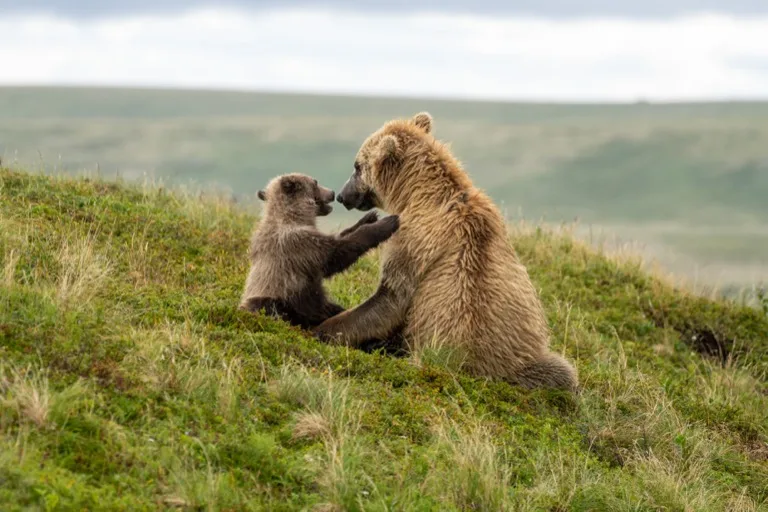
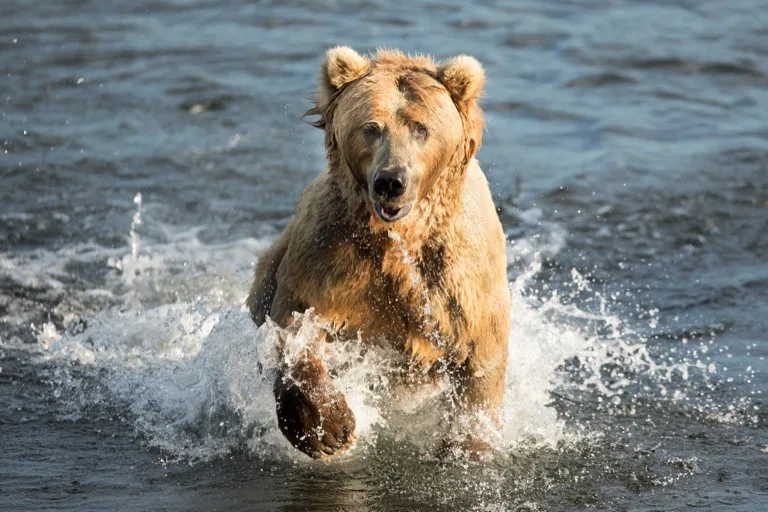
The Hayden Valley in the centre is the grizzly valley, with bears working the meadows and the Yellowstone river, huge bison herds and, in autumn, elk. Traffic jams at sightings are constant; arrive before sunrise.
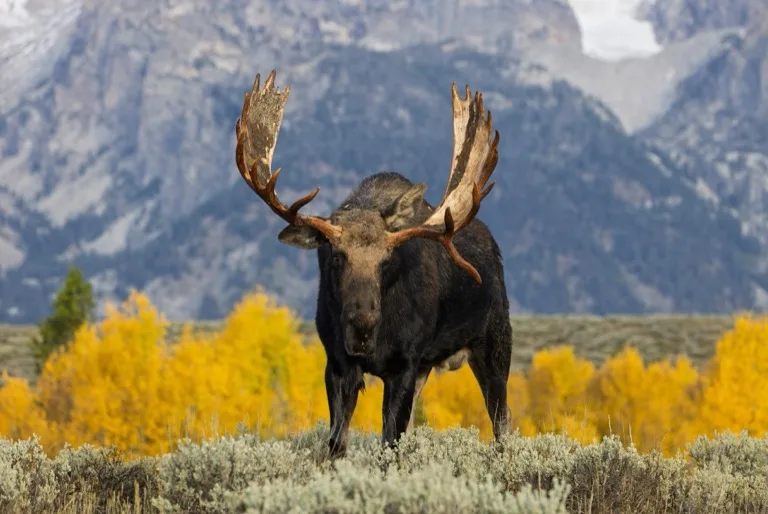
The Mammoth and Gardiner area in the north holds elk year-round, and is the reliable place to see them at close range — including through the September rut, when bulls bugle in the town itself.
The geothermal basins are worth doing for their own sake, and thermophile life in the hot springs is genuinely part of the park's biology rather than a distraction from it.
May and June are the best months: bears emerge with cubs, bison calve, and the valleys are green. September and October bring the elk rut and fewer people. Winter turns the park into a different destination, with wolves easiest to spot against snow and access by snowcoach only.
Practicalities
Stay in Gardiner, Cooke City or the northern park lodges if wildlife is the priority; the northern road between them stays open year-round while most of the park closes to cars in winter.
Bring optics. Nearly all the best sightings here are at distance, and a spotting scope or good binoculars is the single biggest upgrade to a Yellowstone trip. Keep 100 yards from bears and wolves and 25 from bison and elk — bison injure more visitors here than any other animal.
Gallery
Wildlife Species
Grizzly Bear
UncommonMammal · Best time: Spring/Fall
Gray Wolf
RareMammal · Best time: Dawn/Dusk
American Bison
CommonMammal · Best time: All Day
Pronghorn
CommonMammal · Best time: All Day
Dusky Grouse
CommonBird · Best time: Morning
Geography
- Terrain
- Mountains, forests, hot springs, geysers
- Elevation
- 1,610-3,462m
- Climate
- Semi-arid continental
- Area
- 8,991 km²
Weather
- Best Months
- MayJuneSeptemberOctober
- Avg. Temperature
- 5-25°C
- Rainfall
- Moderate
- Humidity
- 40-60%
Getting There
Bozeman Yellowstone International Airport or other regional gateways such as Jackson, Cody, or West Yellowstone
Multiple entrances are road-accessible, but long driving distances inside the park are part of the experience
- Rental car strongly recommended
- Scenic self-drive wildlife circuits
- Seasonal guided wildlife tours and shuttle options in some areas
(Affiliate link — we may earn a commission.)
Tours & Experiences
Local guides substantially improve Grizzly Bear sighting odds — compare independent operators and dates for Yellowstone below.
(Affiliate links — we may earn a commission.)
Where to Stay
Hotels in West Yellowstone
$$ to $$$Hotel · West entrance
Check availability on Booking.com →Hotels in Gardiner
$$ to $$$Hotel · North entrance
Check availability on Booking.com →Under Canvas Yellowstone
$$$Glamping · 10 min from entrance
Check availability on Booking.com →(Affiliate links — we may earn a commission.)