Zakouma National Park
Zakouma National Park
Zakouma National Park in southeastern Chad is one of Africa's great conservation turnarounds, a floodplain and woodland wilderness where an elephant population devastated by poaching has recovered and now moves in a single vast herd. It is strongest for travelers who want a genuinely remote park and a story that shows recovery is possible.
Where to find the wildlife
Zakouma has a violently seasonal rhythm. In the wet season the park floods and closes entirely; through the dry months the water retreats to the remaining pans and river pools, and the wildlife concentrates onto them with an intensity that few parks anywhere can match by March and April.
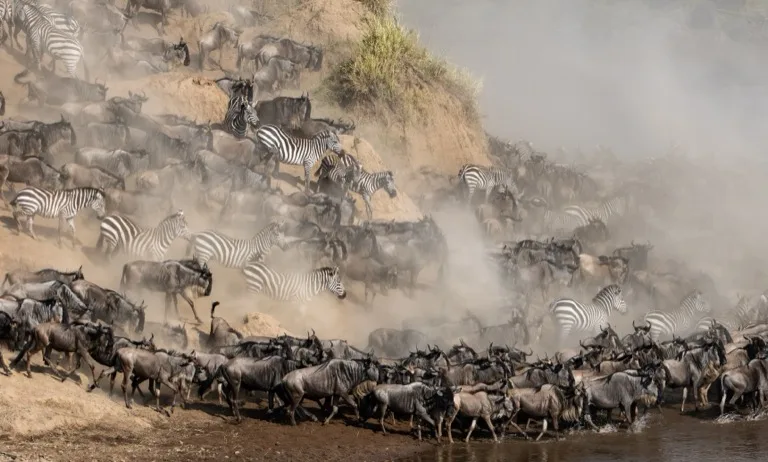
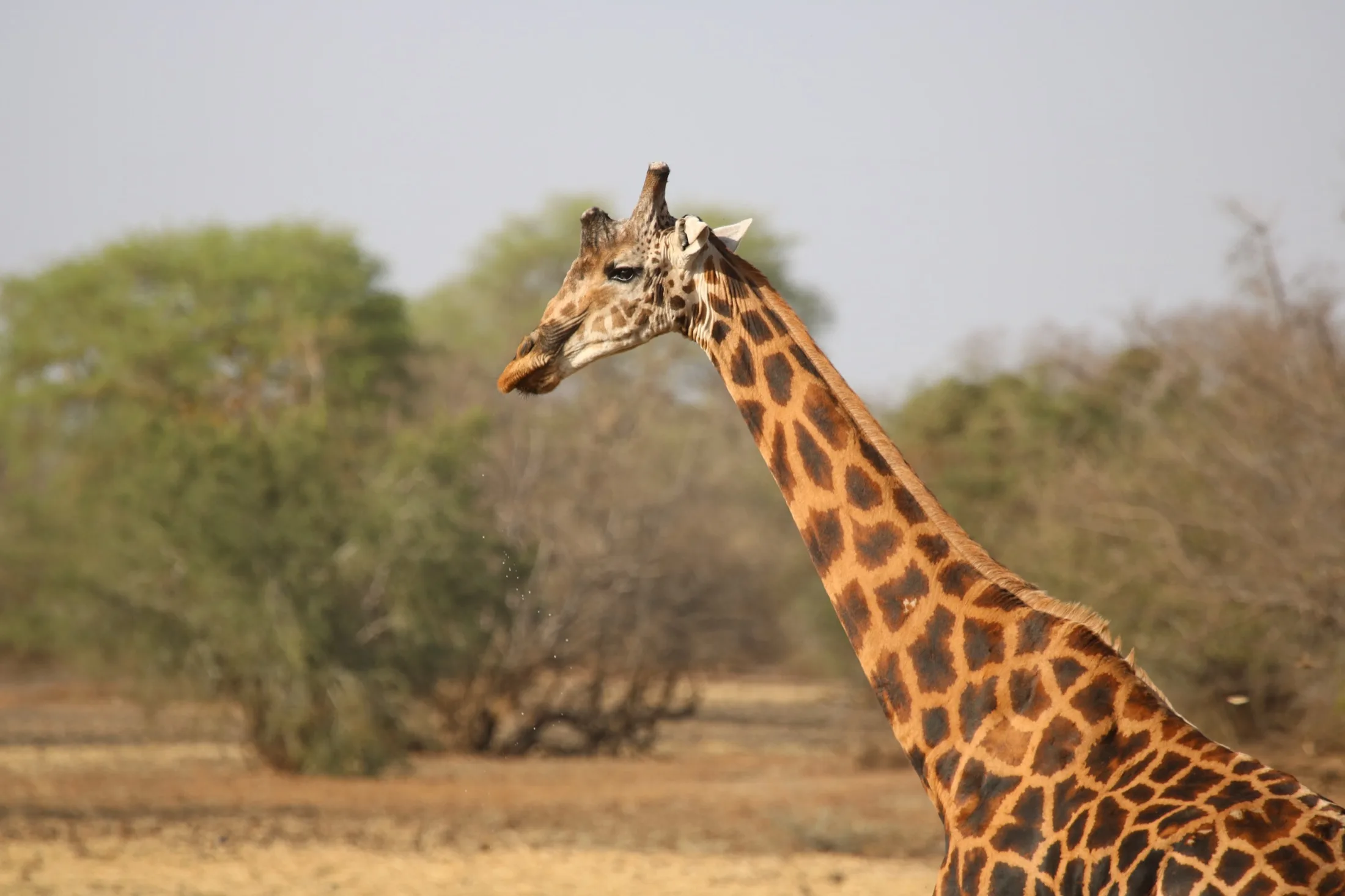
The Rigueik and Ibir floodplains are the centrepieces. As the pans shrink, thousands of animals gather — Kordofan giraffe, tiang, roan antelope, buffalo in herds of hundreds, and enormous concentrations of waterbirds including crowned cranes and black-crowned cranes.
The elephant herd is Zakouma's headline. Having been reduced by poaching from tens of thousands to a few hundred animals, the population is growing again, and the survivors have adopted the unusual defensive habit of moving as one enormous herd — often 400 or more animals together, which is a genuinely extraordinary thing to watch.
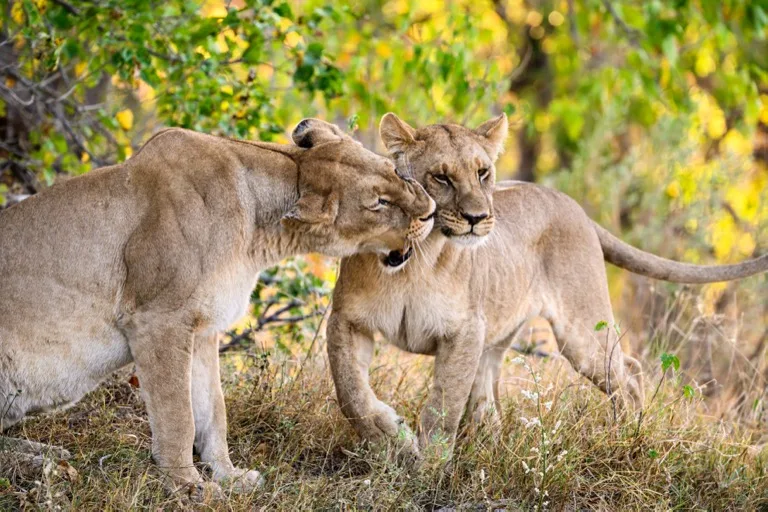
The river pools and gallery forest along the Salamat hold Central African species that most safari travelers never see: red-fronted gazelle, Lelwel hartebeest, and one of the last significant populations of the northern race of lion.
The quelea roosts and vulture concentrations late in the dry season are spectacles in their own right, with millions of small birds moving as smoke over the plains.
The park is open roughly late November to May, with March and April the peak for concentration — and the greatest heat.
Practicalities
Zakouma is managed by African Parks, whose anti-poaching work since 2010 is the reason there is anything left to see. Access is by charter flight from N'Djamena; there is no practical self-drive option for visitors.
Accommodation is limited to a handful of camps, with the seasonal fly-camp on the floodplain taking one group at a time. This is an expedition rather than a holiday: costs are high, comfort is basic, and you should take current travel advice for Chad seriously and discuss the security picture with your operator before committing.
Gallery
Wildlife Species
Elephant and Kordofan giraffe
CommonMammal · Best time: Dry season
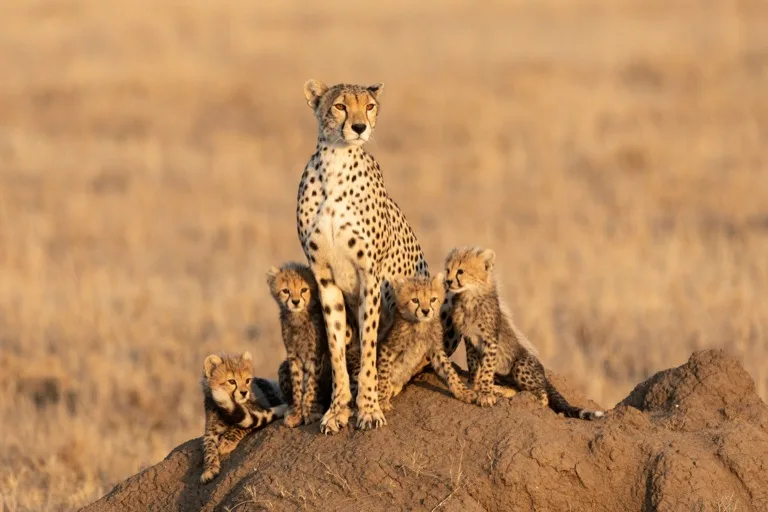
Lion, buffalo, and antelope herds
UncommonMammal · Best time: Dry season
Black-crowned crane, pelicans, and wetland birds
UncommonBird · Best time: Dry-season wetlands
Crocodile and floodplain wildlife
UncommonReptile or Mammal · Best time: Near remaining water
Geography
- Terrain
- Sahelian savanna, floodplains, pans, dry woodland, seasonal wetlands
- Elevation
- Low inland savanna
- Climate
- Hot semi-arid tropical
- Area
- Large national park in southeastern Chad
Weather
- Best Months
- FebruaryMarchAprilMay
- Avg. Temperature
- 20-42°C
- Rainfall
- Late dry season concentrates wildlife around water before rains arrive
- Humidity
- 20-80%
Getting There
N''Djamena with charter or specialist transfer arrangements
A difficult and high-risk expedition due to Chad''s current security situation and remote park logistics
- Specialist fly-in safari
- Conservation-focused expedition
- Dry-season wildlife photography trip
(Affiliate link — we may earn a commission.)
Tours & Experiences
Local guides substantially improve animal sighting odds — compare independent operators and dates for Zakouma National Park below.
(Affiliate links — we may earn a commission.)
Where to Stay
Specialist safari camps in or near Zakouma
PremiumCamp · Usually package-based and seasonal
N'Djamena hotels for staging
Mid-rangeHotel · Transit only
Check availability on Booking.com →(Affiliate links — we may earn a commission.)