Great Barrier Reef Marine Park
Great Barrier Reef Marine Park
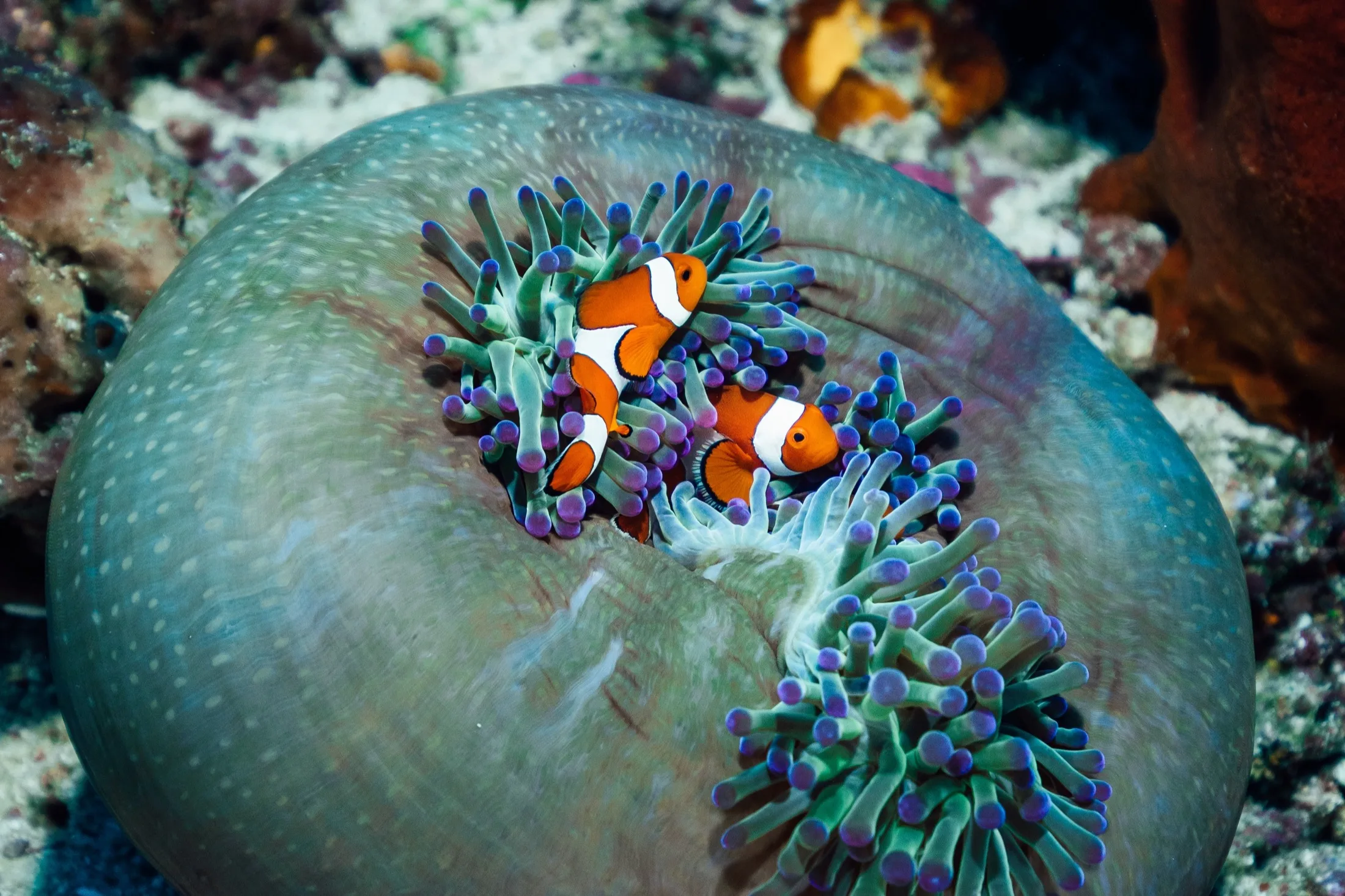
The Great Barrier Reef Marine Park protects the world's largest coral reef system along the Queensland coast, a 2,300-kilometre chain of reefs, cays, and islands holding turtles, sharks, and an immense diversity of fish. It is strongest for divers and snorkellers, and for anyone who wants marine wildlife at a scale visible from space.
Where to find the wildlife
The reef is not a single destination, and where you go changes the wildlife more than most visitors expect. The northern reefs, the accessible day-trip pontoons out of Cairns, and the southern coral cays are three different experiences, and the seasonal events — minke whales, turtle nesting, coral spawning — are each tied to particular places and weeks.
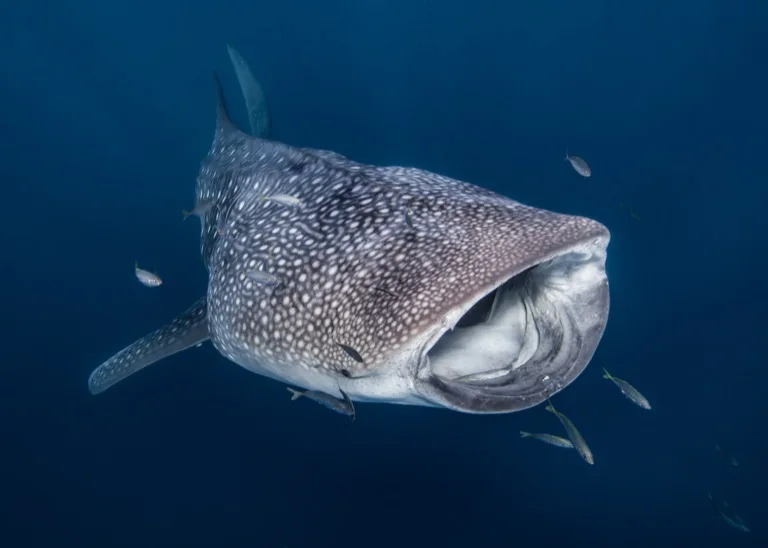
The Ribbon Reefs, north of Cairns and reached by liveaboard, hold the best-known diving. The Cod Hole is famous for its enormous, curious potato cod, and in June and July these reefs host the world's only known predictable aggregation of dwarf minke whales — a small number of permitted operators run swim-with-whale encounters under strict rules.
The southern cays, particularly Lady Elliot and Heron Island, offer the best shore-based snorkelling on the reef. Manta rays cruise the cleaning stations, and green and loggerhead turtles nest on the beaches from about November to February, with hatchlings emerging from January.
The outer reef day trips from Cairns and Port Douglas are how most people see the reef: pontoon platforms with guided snorkelling and introductory dives. The coral here is heavily visited but the fish life is excellent and the logistics are effortless.
The Whitsundays in the centre combine fringing reef with island walking, and are the practical choice for a sailing-based trip rather than a dedicated dive one.
The dry season from June to October brings the best visibility and calmest conditions, and coincides with minke season and with humpback whales migrating along the coast. Coral spawning happens over a few nights after the November full moon.
Practicalities
A reef environmental management charge applies to most tours and is usually included in the fare. Stinger season runs roughly November to May, when full-body suits are standard on the water.
Be realistic about condition: repeated mass bleaching events have hit parts of the reef hard, and quality varies enormously between sites. Operators who visit multiple reefs and can move with conditions give a better picture than a fixed pontoon — and choosing a High Standard Tourism-certified operator directs your money towards those doing monitoring and restoration work.
Gallery
Wildlife Species
Sea turtles, reef sharks, and manta rays
UncommonMarine Wildlife · Best time: Dry season
Dwarf minke and humpback whales in season
UncommonMarine Mammal · Best time: June to September
Reef fish diversity and coral communities
CommonMarine Wildlife · Best time: Year-round with best visibility in drier months
Seabirds and island-nesting species
UncommonBird · Best time: Seasonal by cay and island
Geography
- Terrain
- Tropical coral reef, cays, lagoon, pelagic passages, island-fringe habitats
- Elevation
- Sea level
- Climate
- Tropical marine
- Area
- Immense multi-sector marine park
Weather
- Best Months
- JuneJulyAugustSeptemberOctober
- Avg. Temperature
- 18-31°C
- Rainfall
- Dry-season months generally offer the best visibility, sea conditions, and whale encounters in key sectors
- Humidity
- 50-90%
Getting There
Cairns, Townsville, Hamilton Island, and other reef gateways depending on sector
Very workable but strongly shaped by operator choice, weather, and whether the trip is day-boat, liveaboard, or island-based
- Liveaboard reef trip
- Whitsundays or Cairns reef circuit
- Minke whale or turtle-focused marine trip
Tours & Experiences
Local guides substantially improve animal sighting odds — compare independent operators and dates for Great Barrier Reef Marine Park below.
(Affiliate links — we may earn a commission.)
Where to Stay
Island resorts and reef lodges
Mid-range to LuxuryResort or Lodge · Best for multi-day reef access
Check availability on Booking.com →Liveaboards and gateway-city hotels
Budget to PremiumBoat Cabin or Hotel · Flexible base for day trips or longer cruises
Check availability on Booking.com →(Affiliate links — we may earn a commission.)