Kakadu
Kakadu
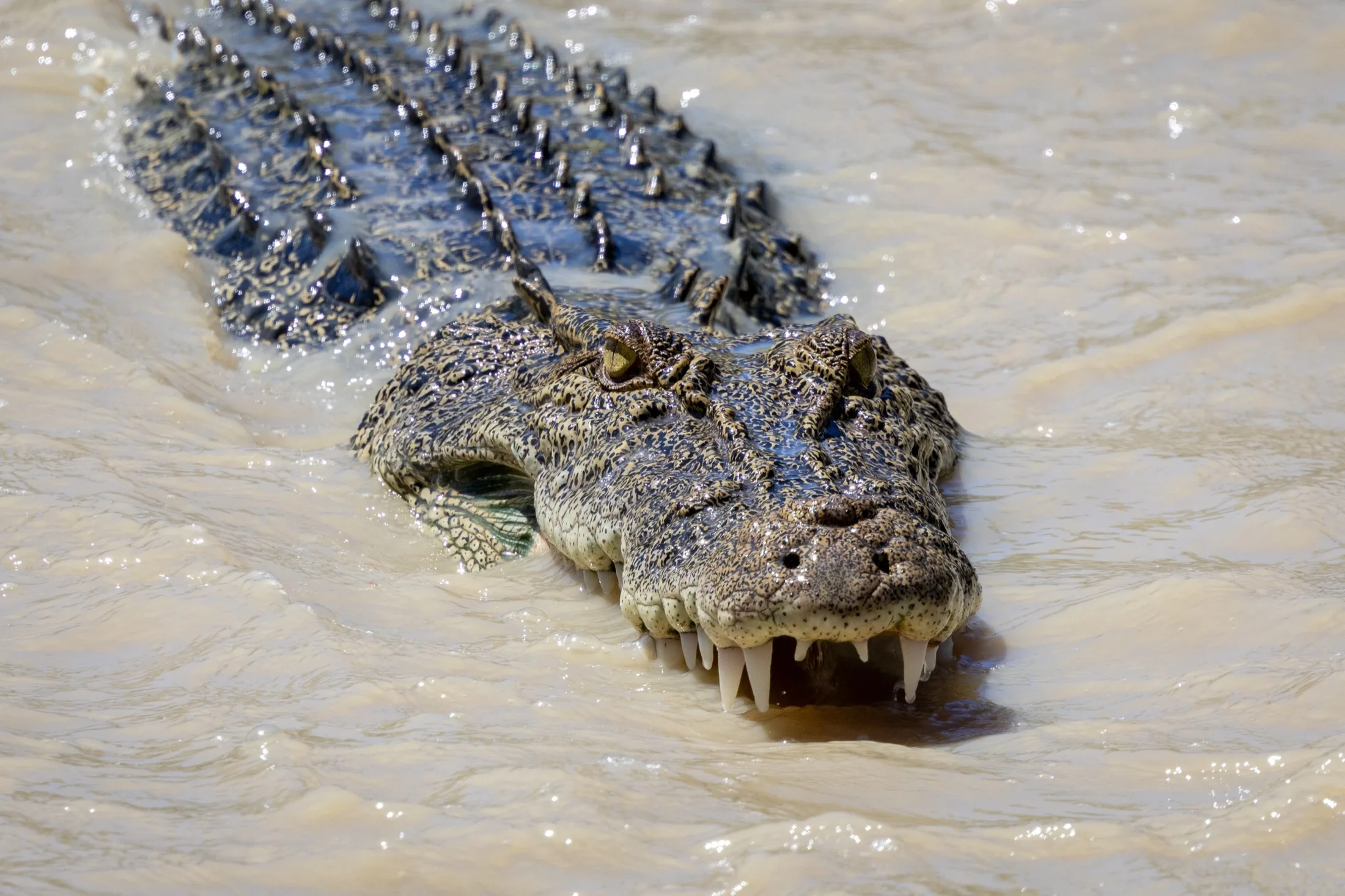
Kakadu National Park is Australia's largest national park, a vast Top End landscape of floodplains, escarpment, and monsoon forest holding saltwater crocodiles, extraordinary birdlife, and some of the oldest rock art on Earth. It is strongest for travelers who want tropical wetland wildlife alongside a living Aboriginal cultural landscape.
Where to find the wildlife
Kakadu's wildlife is dictated by the monsoon. In the wet the floodplains are an inland sea and much of the park is inaccessible; as the water retreats through the dry season, birds and animals concentrate on the shrinking billabongs in numbers that are genuinely startling. Timing here is not a preference, it is the whole plan.
Yellow Water at Cooinda is the classic. Dawn boat cruises on the billabong pass saltwater crocodiles at close range, jabiru and brolga wading the margins, magpie geese in thousands, jacanas walking the lilies and sea eagles overhead. The first cruise of the day is worth the early start.
Mamukala and Anbangbang billabongs are the shore-based equivalents, with hides overlooking the water where magpie geese gather in enormous flocks as the plains dry, particularly around September and October.
The escarpment and stone country — Ubirr, Nourlangie and Gunlom — hold black wallaroo and the endemic white-lined honeyeater, along with the rock art galleries that are the park's other great subject. Ubirr at sunset over the Nadab floodplain is the park's defining view.
The monsoon forest pockets in gorges and along spring lines hold rainbow pittas, orange-footed scrubfowl and the fruit bats that roost in colonies.
May to September is the dry season and the practical window. The build-up in October and November is oppressive but produces spectacular storms, and the wet season transforms the park for those who fly over it.
Practicalities
Kakadu is around three hours from Darwin, and a park pass is required. Many roads and falls are closed in the wet and reopen progressively as the country dries — check current road status rather than assuming access.
Kakadu is jointly managed with its Aboriginal traditional owners, who own the land and have leased it as a national park. Some areas are closed for cultural reasons, and the guided cultural tours run by Bininj and Mungguy operators are the best part of many visitors' trips. Every waterway holds crocodiles: swim only where signage explicitly permits it.
Gallery
Wildlife Species
Saltwater Crocodile
CommonReptile · Best time: Morning
Jabiru Stork
CommonBird · Best time: Dry Season
Antilopine Kangaroo
CommonMammal · Best time: Dawn/Dusk
Black Wallaroo
UncommonMammal · Best time: Morning
Rainbow Bee-eater
CommonBird · Best time: All Day
Geography
- Terrain
- Wetlands, escarpments, monsoon forests
- Elevation
- 0-300m
- Climate
- Tropical monsoon
- Area
- 19,804 km²
Weather
- Best Months
- MayJuneJulyAugustSeptember
- Avg. Temperature
- 25-35°C
- Rainfall
- Very low in dry season
- Humidity
- 30-80%
Getting There
Darwin International Airport
250km from Darwin
- Self-drive (3 hours)
- Guided tours from Darwin
- 4WD required for some areas
(Affiliate link — we may earn a commission.)
Tours & Experiences
Local guides substantially improve Black Wallaroo sighting odds — compare independent operators and dates for Kakadu below.
(Affiliate links — we may earn a commission.)
Where to Stay
Cicada Lodge
$$$$Luxury Lodge · Nitmiluk
Check availability on Booking.com →Cooinda Lodge
$$Lodge · Yellow Water
Check availability on Booking.com →Kakadu Lodge
$Budget Lodge · Jabiru
Check availability on Booking.com →Lodges and hotels in Kakadu
$ to $$$$Lodge · Across the park
Check availability on Booking.com →(Affiliate links — we may earn a commission.)