Ibera National Park
Ibera National Park
Iberá National Park protects one of South America's largest wetlands, a vast mosaic of lagoons, floating marsh, and grassland in northeastern Argentina that has become the continent's most ambitious rewilding project. It is strongest for travelers who want extraordinarily approachable wildlife and a conservation story unfolding in real time.
Where to find the wildlife
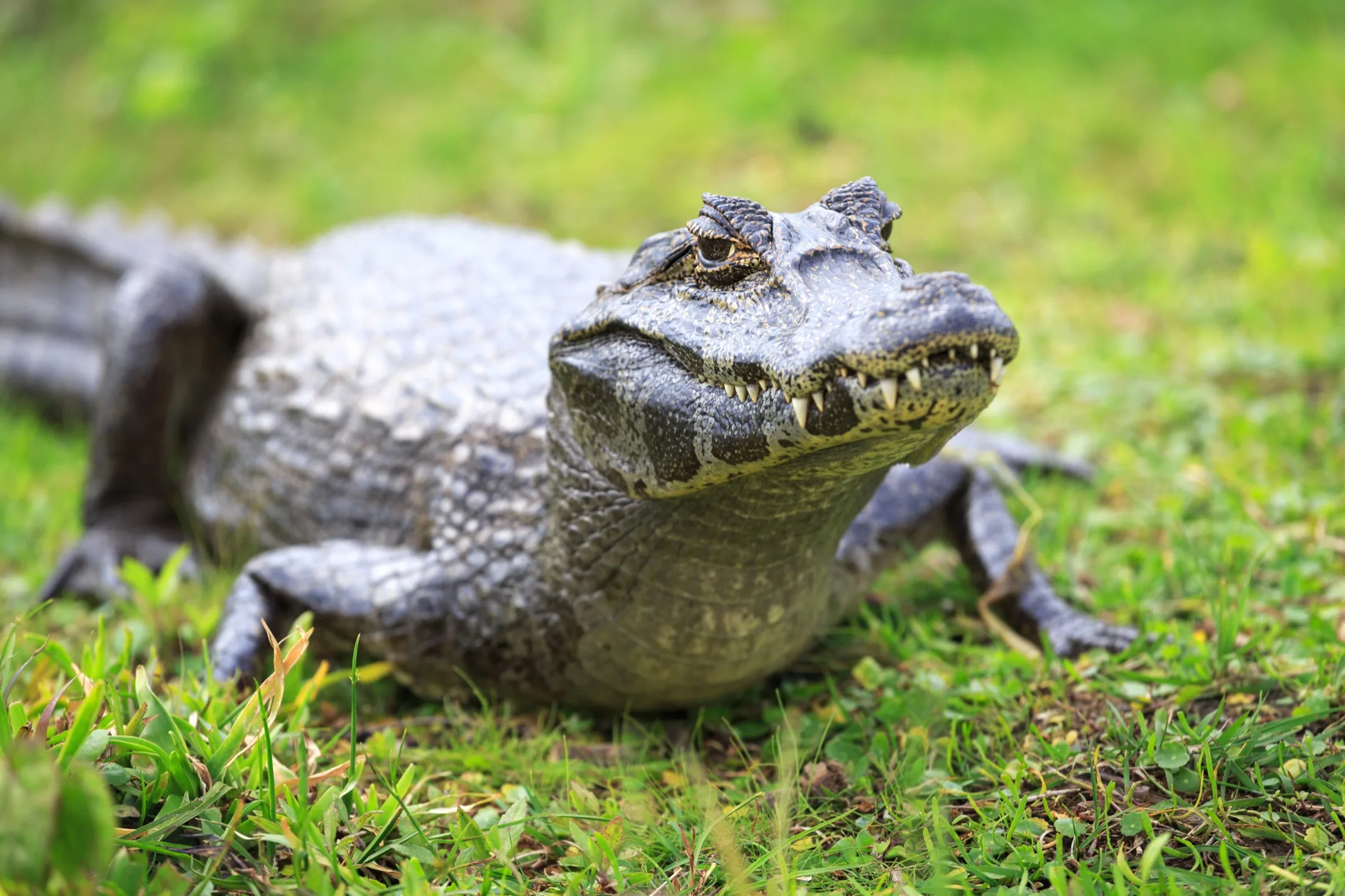
Iberá's wildlife is unusually easy to see because it was never hunted out of the water — capybara and caiman line the lagoon edges in the open — and because the species that were lost are being deliberately put back. What you can see here has changed substantially in the last decade and is still changing.
The Laguna Iberá at Colonia Carlos Pellegrini is the main access point and the easiest wildlife. Boat trips work the floating vegetation, drifting within metres of capybara, yacaré caiman, marsh deer wading chest-deep and dozens of waterbird species — none of which pay the boat any attention.
The grasslands around Rincón del Socorro are where the reintroduced species are concentrated. Giant anteaters, absent from the province for decades, are now regularly seen crossing the open ground, along with pampas deer and collared peccary.
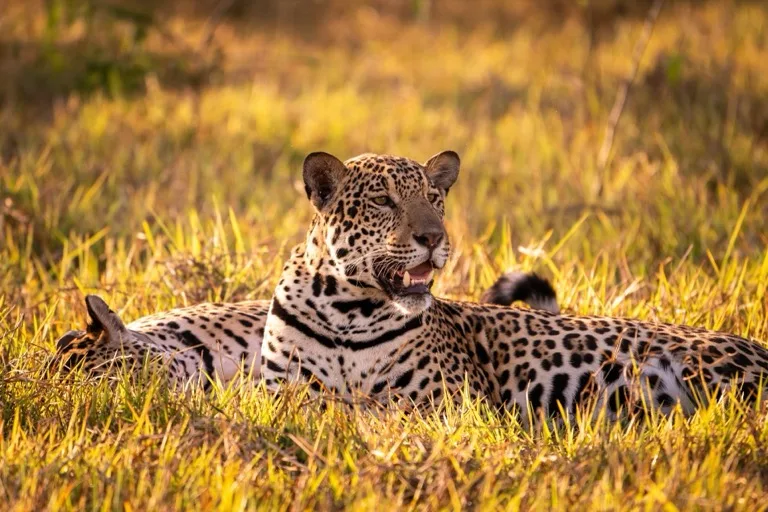
The jaguar reintroduction is the headline. Jaguars were absent from these wetlands for around seventy years; animals raised in a breeding centre on San Alonso island have been released since 2021, and the free-living population has grown steadily — roughly fifty animals now, making Corrientes an unlikely stronghold for the species. Sightings are not common, but they happen, and the tracks and camera-trap footage are part of every visit.
The night drives and walks add the species that are hard by day: crab-eating fox, ocelot, maned wolf on the drier grassland, and the vast frog chorus of the marsh.
Giant otters and red-and-green macaws have also been returned to the wetland, both extinct in Argentina before the project began.
Practicalities
Carlos Pellegrini is reached by a long drive on gravel from Mercedes, itself a few hours from Posadas or Corrientes by road; Rincón del Socorro and the other portals are separate entrances and not quickly connected to each other.
Spring and autumn are the most comfortable seasons; summer is hot and humid. The park is free to enter, and the local boatmen and guides in Pellegrini — many of them former hunters now employed by tourism — are the point of the whole model.
Gallery
Wildlife Species
Capybara
CommonMammal · Best time: All day around lagoons and marsh edges
Yacare Caiman
CommonReptile · Best time: Warm daylight hours and boat trips
Marsh Deer
UncommonMammal · Best time: Morning and late afternoon in wet grassland
Jabiru and wetland birds
UncommonBird · Best time: Morning in marsh and lagoon systems
Geography
- Terrain
- Wetlands, marshes, lagoons, grassland, gallery woodland
- Elevation
- Low subtropical plains
- Climate
- Warm subtropical wetland
- Area
- Large protected wetland system in Corrientes
Weather
- Best Months
- MayJuneJulyAugustSeptemberOctober
- Avg. Temperature
- 10-34°C
- Rainfall
- Rainfall is spread through the year, with drier cooler months often easiest for wildlife travel
- Humidity
- 50-95%
Getting There
Corrientes, Posadas, or regional access via overland transfer to Ibera gateways
Moderately easy with some overland planning, but much more practical than true expedition wetlands
- Lodge-based wildlife watching
- Boat trips and wetland safaris
- Birding and rewilding-focused itineraries
(Affiliate link — we may earn a commission.)
Tours & Experiences
Local guides substantially improve Marsh Deer sighting odds — compare independent operators and dates for Ibera National Park below.
(Affiliate links — we may earn a commission.)
Where to Stay
Eco-lodges and estancias near Ibera gateways
Mid-range to PremiumLodge or Estancia · Best for wildlife-oriented itineraries
Check availability on Booking.com →Guesthouses in local access towns
Budget to Mid-rangeGuesthouse · Useful for more affordable independent travel
Check availability on Booking.com →(Affiliate links — we may earn a commission.)