Iguazu National Park
Iguazu National Park
Iguazú National Park protects the Argentine side of the greatest waterfall system on Earth, where 275 falls thunder over a basalt escarpment surrounded by subtropical Atlantic rainforest. It is strongest for travelers who want a world-class landscape with genuinely good wildlife alongside it.
Where to find the wildlife
Most visitors come for the falls and treat the forest as scenery, which is a missed opportunity: the Atlantic rainforest here is one of the most threatened forest types in South America and holds species found nowhere else. The trick is to be on the walkways early, before the crowds arrive.
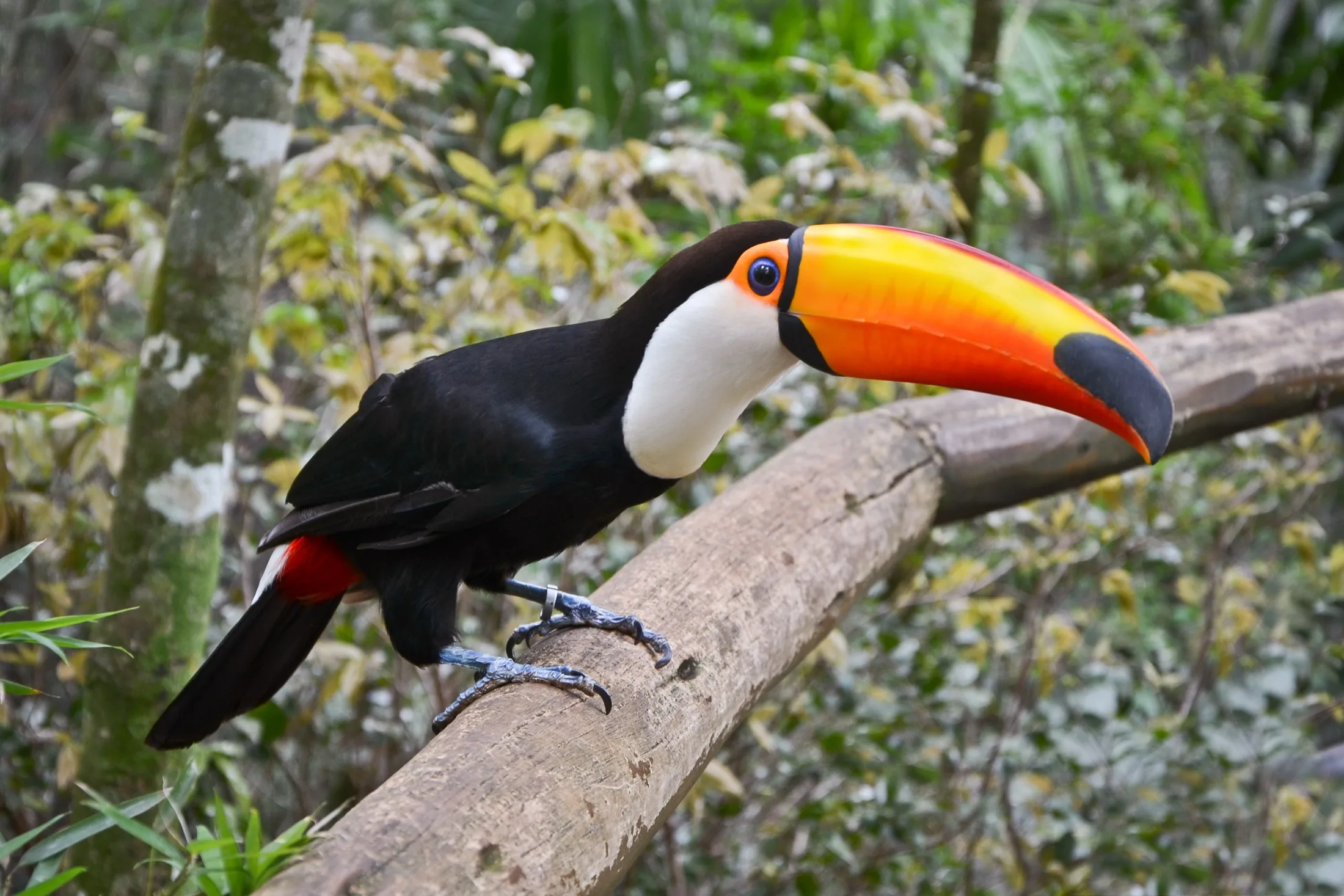
The Macuco trail is the wildlife walk. A few kilometres through forest away from the falls circuits, it holds capuchin monkeys, agouti, toucans and a good chance of the forest birds that the main walkways miss entirely.
The upper and lower circuits at dawn hold coatis in troops — bold, food-obsessed and genuinely a nuisance around picnic areas — along with plush-crested jays, great dusky swifts nesting behind the falls themselves, and swallow-tailed hummingbirds.
The Garganta del Diablo walkway, out over the river to the Devil's Throat, is the landscape highlight and also good for swifts and for the vultures and caracaras riding the spray thermals.
The forest at night, in the small area accessible on the park's moonlight walks, adds a different soundscape and the possibility of nocturnal mammals.
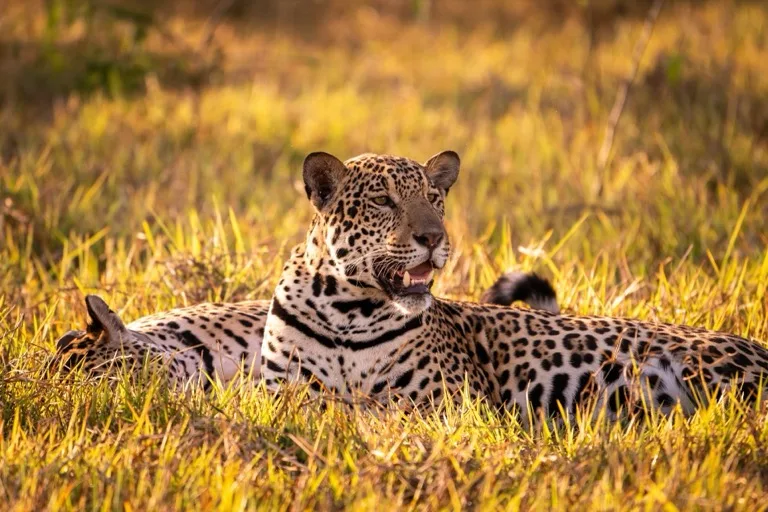
The wider Atlantic forest around the park holds jaguar, ocelot and tapir. None is realistically seeable from the walkways, but the population is real and the reserves nearby are part of a serious corridor project.
The falls are impressive year-round; higher water follows the summer rains, and winter brings more comfortable temperatures and fewer insects.
Practicalities
Puerto Iguazú is the base on the Argentine side, with an airport and easy connections from Buenos Aires. The Brazilian side offers the panoramic view and takes half a day; the Argentine side has the walkways and the wildlife, and deserves a full day at least.
Arrive at opening time. The park train and circuits are crowded by mid-morning, and the same walkways are quiet and full of birds an hour earlier.
Gallery
Wildlife Species
Toco Toucan
CommonBird · Best time: Morning along forested visitor routes
Coati
CommonMammal · Best time: Daytime around trails and visitor areas
Great Dusky Swift
CommonBird · Best time: Waterfall cliffs and gorge viewpoints
Capuchin Monkeys
UncommonMammal · Best time: Morning in forest sectors
Geography
- Terrain
- Subtropical rainforest, river gorge, waterfalls, forest trails and boardwalks
- Elevation
- About 100-300m
- Climate
- Humid subtropical
- Area
- About 670 km2
Weather
- Best Months
- AprilMayJuneJulyAugustSeptember
- Avg. Temperature
- 14-32°C
- Rainfall
- Rainfall is spread through the year and high water changes the feel of the falls
- Humidity
- 55-100%
Getting There
Puerto Iguazu with very easy road access to the park
Among the easiest top-tier scenery and nature destinations in South America to reach independently
- Boardwalk and trail-based exploration
- Birding and mammal watching in Atlantic Forest edge habitat
- Short standalone trip or wider Argentina-Brazil extension
(Affiliate link — we may earn a commission.)
Tours & Experiences
Local guides substantially improve Capuchin Monkeys sighting odds — compare independent operators and dates for Iguazu National Park below.
(Affiliate links — we may earn a commission.)
Where to Stay
Hotels and resorts in Puerto Iguazu
Budget to PremiumHotel · Very close and highly practical
Check availability on Booking.com →Park-adjacent upscale stays and lodges
Mid-range to PremiumLodge or Hotel · Best for early access and photography
Check availability on Booking.com →(Affiliate links — we may earn a commission.)