Sarapiqui
Sarapiqui
La Selva Biological Station protects a stretch of Caribbean lowland rainforest in Costa Rica, one of the most intensively studied tropical forests on Earth and an outstanding place for birds, frogs, and accessible rainforest natural history. It is strongest for birders, naturalists, and anyone who wants a working research station rather than a resort.
Where to find the wildlife
La Selva is a research station that accepts visitors, not a lodge with a forest attached — and that shapes everything. There are more than fifty kilometres of trails, many of them paved or gravelled, a resident guide team who know exactly which trees are fruiting, and decades of data behind what you are shown.
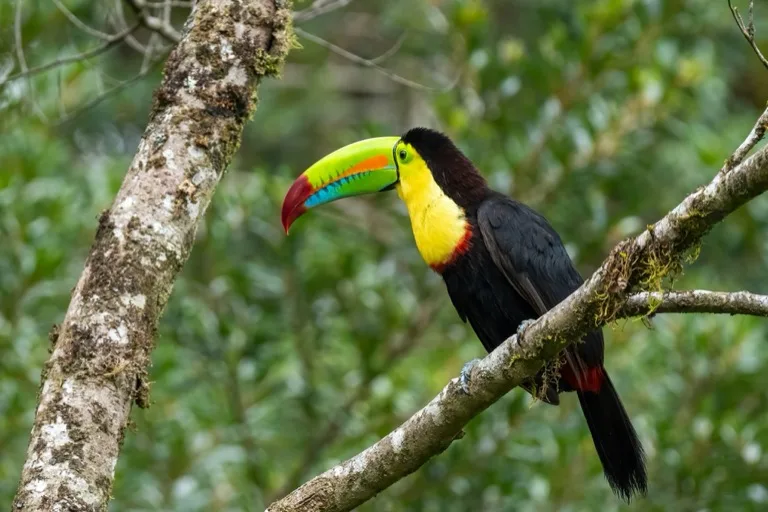
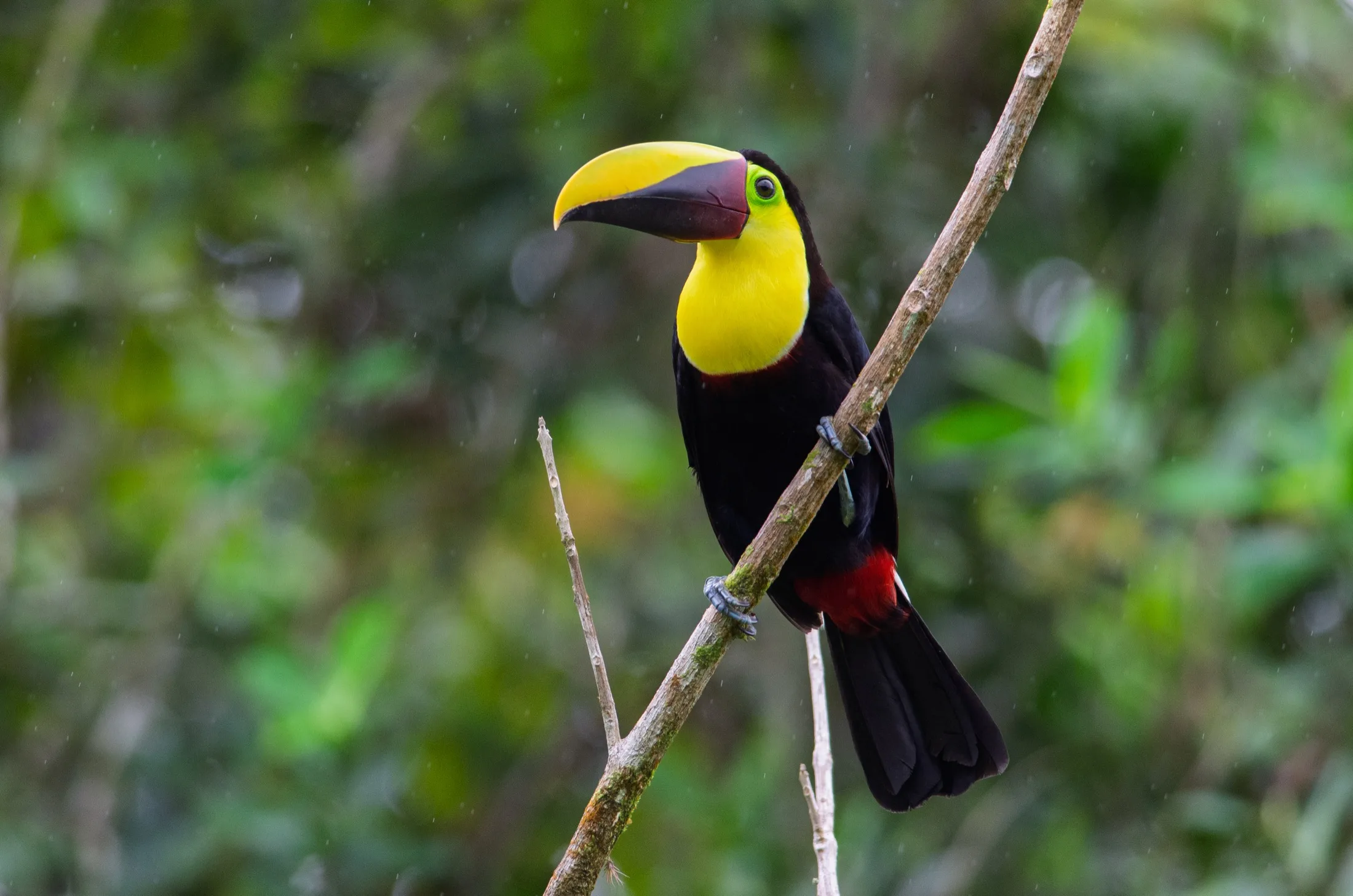
The suspension bridge over the Puerto Viejo river at the entrance is the single most productive spot on the property. Sunbittern work the rocks below, kingfishers pass under the span, and the trees either side hold toucans, oropendolas and, early and late, howler monkeys.
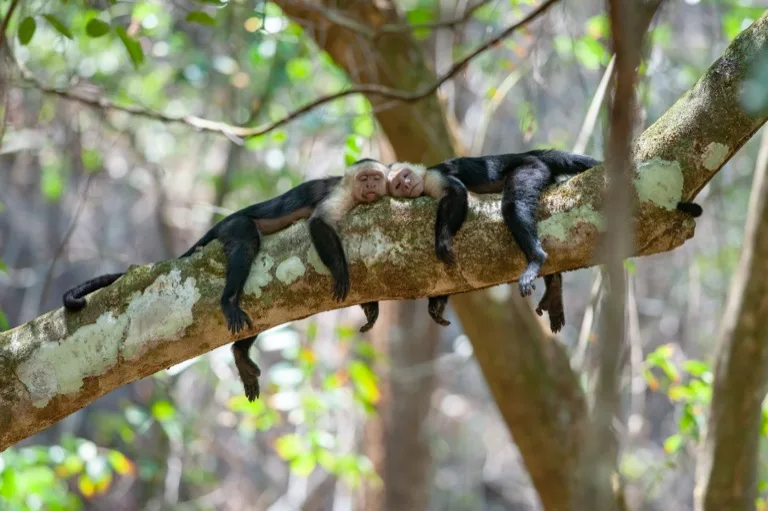
The paved main trails through primary forest are where the guided walks go: collared peccary, agouti, coatimundi and three monkey species, with poison dart frogs on the leaf litter and the thick understorey growth that fifty years of protection produces.
The old secondary growth and arboretum along the edges hold the best birding on the station. La Selva's bird list runs past 500 species — great green macaw, snowy cotinga, great curassow and a long list of antbirds and hummingbirds among them.
The night walk is essential here: red-eyed tree frogs, glass frogs, eyelash vipers, kinkajou and a fully different set of insects. Guided night walks are limited in number and should be booked when you book the room.
The drier months from February to April and September to October make trails easier, but this is Caribbean lowland rainforest and rain falls in every month.
Practicalities
La Selva is near Puerto Viejo de Sarapiquí, around two hours from San José. Accommodation is simple station housing and the food is canteen-style; the guides are the reason to come.
Day visits are possible but you will miss dawn and dusk, which is when the forest works. Booking direct with the station supports the research; be aware that trail access is sometimes restricted where studies are running.
Gallery
Wildlife Species
Great Green Macaw
UncommonBird · Best time: Morning
Toucans
CommonBird · Best time: Morning
Poison Dart Frog
UncommonAmphibian · Best time: After rain
Tanagers
CommonBird · Best time: Morning
Geography
- Terrain
- Lowland rainforest, river valleys, secondary forest, wetlands
- Elevation
- 50-300m
- Climate
- Humid tropical
- Area
- Regional rainforest landscape
Weather
- Best Months
- FebruaryMarchAprilSeptember
- Avg. Temperature
- 21-31°C
- Rainfall
- High but variable
- Humidity
- 75-100%
Getting There
San Jose Airport
About 2 to 3 hours by road
- Self drive or shuttle
- Lodge based birding trails
- Boat trips on the river
(Affiliate link — we may earn a commission.)
Tours & Experiences
Local guides substantially improve Great Green Macaw sighting odds — compare independent operators and dates for Sarapiqui below.
(Affiliate links — we may earn a commission.)
Where to Stay
Birding lodges in Sarapiqui
Budget to Mid-rangeLodge · Near reserves and river
Check availability on Booking.com →Eco lodges with private trails
Mid-range to PremiumEco Lodge · Forest edge
Check availability on Booking.com →(Affiliate links — we may earn a commission.)