Palo Verde National Park
Palo Verde National Park
Palo Verde National Park protects a seasonal freshwater marsh on the Tempisque river in Costa Rica's dry northwest, where wading birds concentrate in the dry season in numbers unmatched in Central America. It is strongest for birders and for travelers who want a completely different Costa Rica from the rainforest.
Where to find the wildlife
Palo Verde is dry tropical forest and floodplain marsh, and it works on a strict seasonal cycle: as the surrounding country dries out from December onwards, water concentrates in the marsh and birds pour into it. In the wet season the same marsh disperses across the landscape and the park is much quieter.
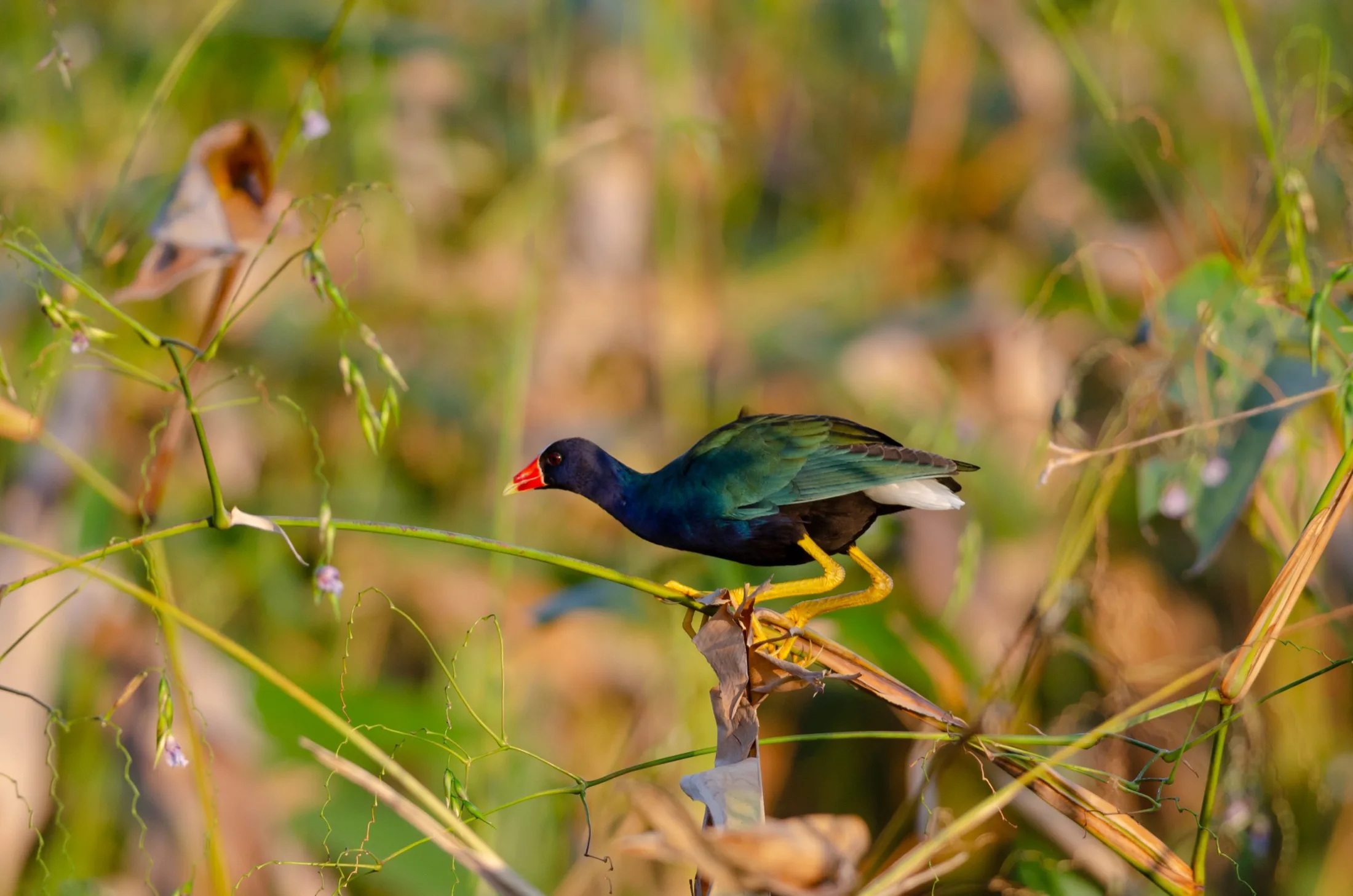
The marsh itself is the main event. In the dry season it holds thousands of black-bellied whistling ducks, blue-winged teal, jabiru, roseate spoonbills, wood storks, glossy ibis and herons of every Central American species, all crowded onto shrinking water.
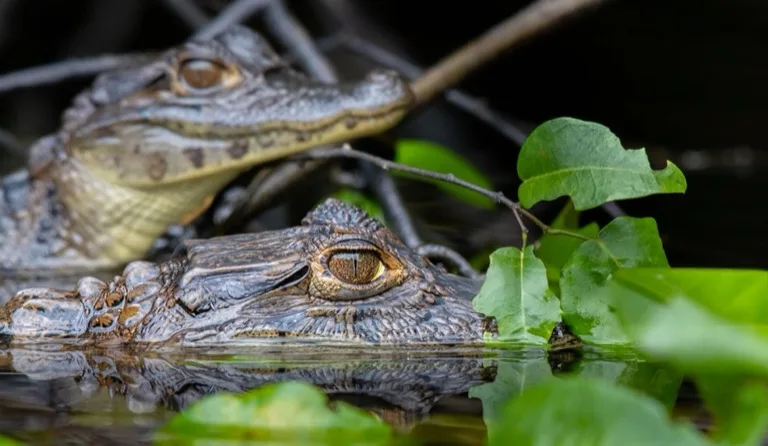
The boat trips on the Tempisque river are the standard way to see it, running from the park or from Puerto Humo. They pass American crocodiles on the banks — some very large — and the riverside trees hold howler monkeys and iguanas.
Isla de Pájaros, an island in the river, holds one of the largest waterbird nesting colonies in Central America, best viewed from a boat at a respectful distance.
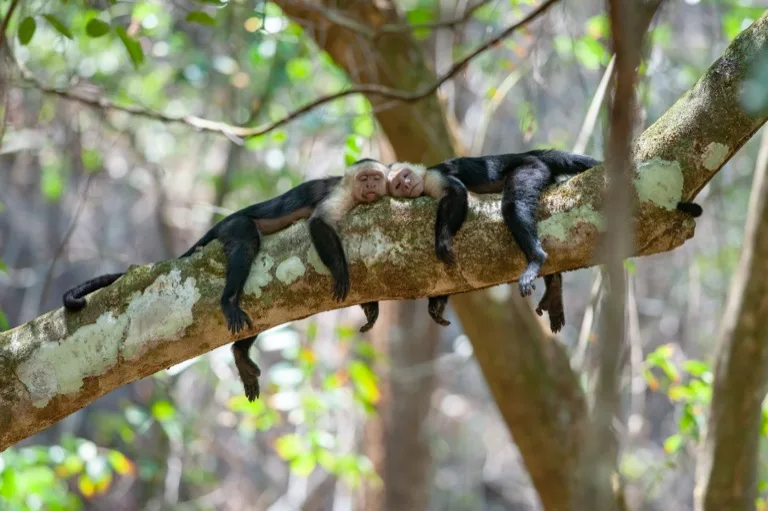
The dry forest trails and the limestone outcrops behind the marsh hold white-faced capuchins, coatis, and the dry-forest bird specialities — white-throated magpie-jay, turquoise-browed motmot and the black-headed trogon — that are hard to find in the wetter parts of the country.
The Palo Verde lookout above the station gives the overview of the whole floodplain and is worth the short climb at dawn.
January to March is the peak concentration and the reason to come. The wet season from May to November greens the forest but scatters the birds.
Practicalities
Palo Verde is around an hour from Liberia airport, which makes it an easy first or last stop on a Costa Rica trip. The OTS biological station inside the park offers basic accommodation and researcher-led guiding, which is by far the best way to experience it.
Heat and mosquitoes are both serious in the marsh; go early, and take the boat trip in the morning rather than midday.
Gallery
Wildlife Species
Roseate Spoonbill
CommonBird · Best time: Morning
Boat-billed Heron
UncommonBird · Best time: Dawn or Dusk
American Crocodile
UncommonReptile · Best time: All Day
Jabiru
RareBird · Best time: Dry season
Geography
- Terrain
- Marshes, river channels, dry forest, seasonal lagoons
- Elevation
- Sea level to low hills
- Climate
- Tropical dry forest and wetland
- Area
- About 198 km2
Weather
- Best Months
- DecemberJanuaryFebruaryMarchApril
- Avg. Temperature
- 22-35°C
- Rainfall
- Very low in dry season
- Humidity
- 45-85%
Getting There
Liberia Airport
About 1.5 to 2 hours by road
- Road transfer from Liberia
- Boat trips on the Tempisque
- Day trip birding
(Affiliate link — we may earn a commission.)
Tours & Experiences
Local guides substantially improve Boat-billed Heron sighting odds — compare independent operators and dates for Palo Verde National Park below.
(Affiliate links — we may earn a commission.)
Where to Stay
Hotels in Bagaces and Canas
Budget to Mid-rangeHotel · Regional base
Check availability on Booking.com →Dry forest eco lodges nearby
Mid-rangeLodge · Short drive to park access
Check availability on Booking.com →(Affiliate links — we may earn a commission.)