Torres del Paine
Torres del Paine
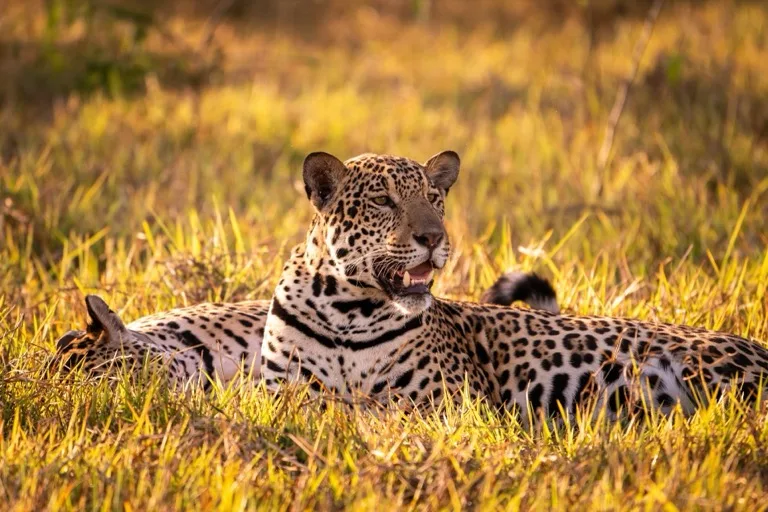
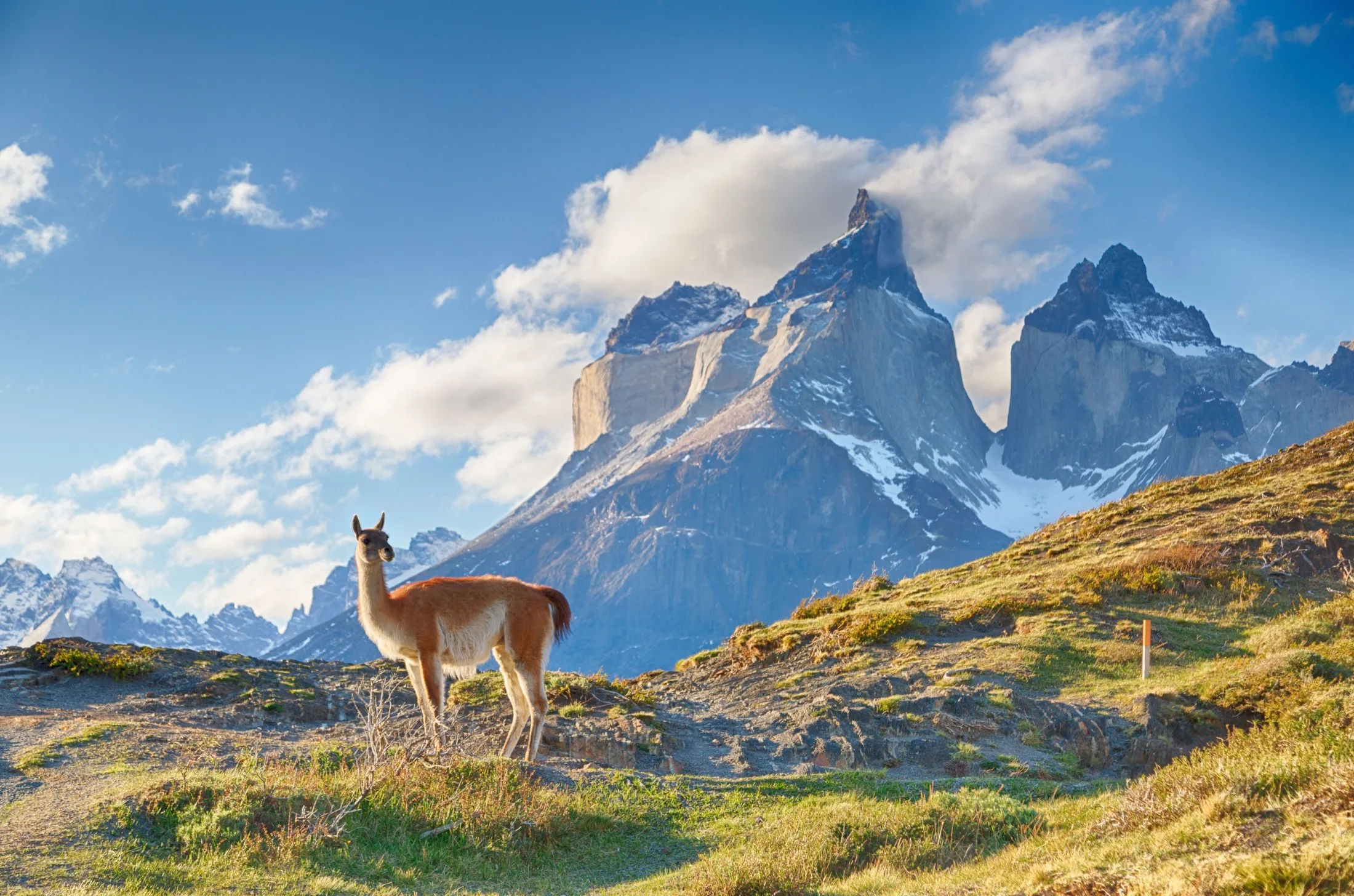
Torres del Paine National Park is Patagonia's most famous landscape, a granite massif rising above steppe, lakes, and glaciers in southern Chile, and one of the best places in South America to see wild puma. It is strongest for travelers who want spectacular trekking and a genuine chance at a big cat.
Where to find the wildlife
The park's wildlife is concentrated in the open steppe on its eastern side rather than in the mountains that draw the trekkers. That is where the guanaco herds are, and the pumas that hunt them — which is why puma tracking here is a vehicle-and-scanning activity in open country, not a forest search.
The eastern steppe and Laguna Amarga area is puma country. Guides work with trackers who know individual cats, and sightings have become reliable enough that this is now a destination for photographers specifically. Dawn and dusk are when the cats hunt; the best operations spend several days at it.
The guanaco herds on the same steppe are the prey base and easy to watch in their own right, along with the culpeo fox and the chimango caracaras that follow kills.
The lakes and lagoons hold black-necked swans, flamingos on the shallow lakes, upland geese and the flightless lesser rhea — the ñandú — on the open plains.
The cliffs and thermals carry Andean condors, best seen along the ridges and above the Sarmiento area, with a wingspan close to three metres.
The lenga forest along the trekking routes holds Magellanic woodpecker — a huge red-crested bird — and austral parakeets.
The main season is October to April; November to March gives the longest days and the strongest wind. Puma viewing is often best in the shoulder months of April to June when there are fewer people and the cats hunt closer to the roads.
Practicalities
Puerto Natales is the gateway, a couple of hours away, with flights via Punta Arenas or a long bus from El Calafate in Argentina. Park entry must be booked online in advance and the W and O trekking circuits require refuge or campsite reservations months ahead.
Puma tracking is a specialist trip with dedicated guides and is priced accordingly. The wind is a genuine force here — plan around it, and never underestimate how fast the weather changes.
Gallery
Wildlife Species
Puma
UncommonMammal · Best time: Dawn/Dusk
Guanaco
CommonMammal · Best time: All Day
Andean Condor
UncommonBird · Best time: Morning
Chilean Flamingo
CommonBird · Best time: All Day
South Andean Deer
RareMammal · Best time: Morning
Geography
- Terrain
- Mountains, glaciers, lakes, steppe
- Elevation
- 0-3,050m
- Climate
- Subpolar oceanic
- Area
- 1,814 km²
Weather
- Best Months
- OctoberNovemberDecemberJanuaryFebruaryMarch
- Avg. Temperature
- 2-15°C
- Rainfall
- Moderate
- Humidity
- 60-80%
Getting There
Punta Arenas Airport or Puerto Natales (bus)
112km from Puerto Natales
- Bus from Puerto Natales (2 hours)
- Private transfer
- Rental car (4WD recommended)
(Affiliate link — we may earn a commission.)
Tours & Experiences
Local guides substantially improve Puma sighting odds — compare independent operators and dates for Torres del Paine below.
(Affiliate links — we may earn a commission.)
Where to Stay
Explora Patagonia
$$$$Luxury Lodge · Inside park
Check availability on Booking.com →EcoCamp Patagonia
$$$Geodesic Domes · Inside park
Check availability on Booking.com →Hotels and camps in the park
$$$Hotel · Park entrance
Check availability on Booking.com →(Affiliate links — we may earn a commission.)