Cahuita National Park
Cahuita National Park
Cahuita National Park protects a small stretch of Costa Rica's Caribbean coast where lowland rainforest meets a fringing coral reef, and a single flat coastal trail delivers sloths, monkeys, and snorkelling in one morning. It is strongest for travelers who want easy, high-quality wildlife with no logistics at all.
Where to find the wildlife
Cahuita is one of the most efficient wildlife walks in Central America: a flat path runs for several kilometres along the shore between the forest and the beach, and everything is visible from it. No climbing, no early start required, and no guide strictly necessary — though a guide with a scope doubles what you see.
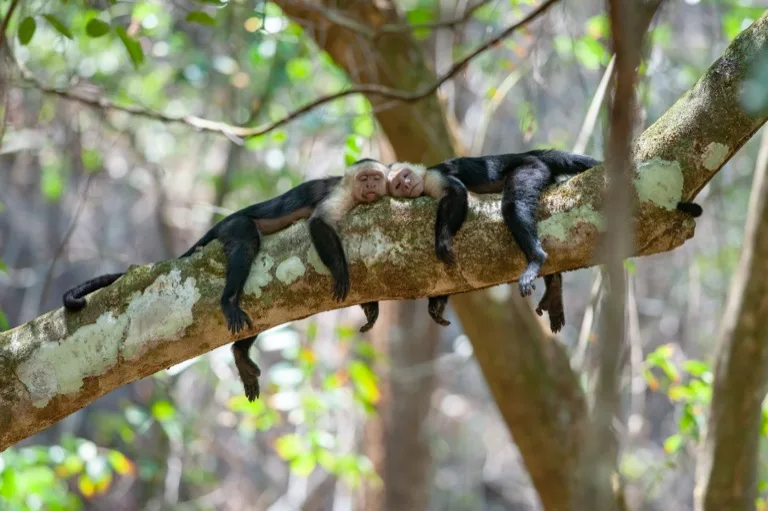
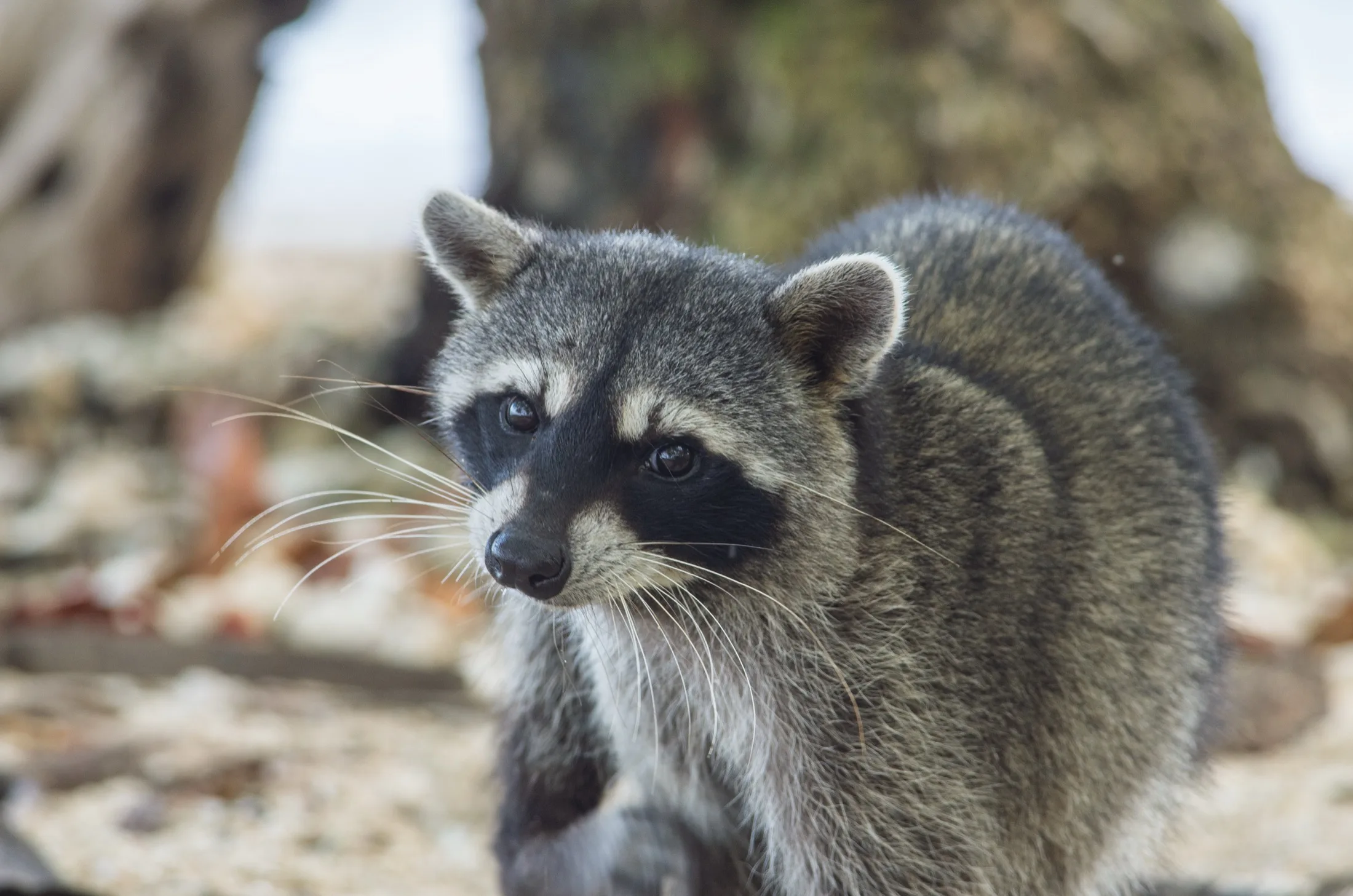
The coastal trail from the Kelly Creek entrance is where the animals are. Three-toed and two-toed sloths hang in the cecropia trees directly over the path, howler and white-faced capuchin monkeys move through the canopy, and raccoons and coatis patrol the beach edge.
The forest floor beside the path holds the small things worth stopping for: eyelash vipers coiled in low vegetation, strawberry poison dart frogs on the leaf litter, and basilisk lizards running across the creeks.
The reef off Punta Cahuita is the marine half. Snorkelling trips from the village visit the reef, which holds brain and elkhorn coral, parrotfish, angelfish and rays — visibility depends heavily on recent rain and river runoff.
The beaches themselves hold nesting turtles in season and are worth walking for the shorebirds and the pelicans fishing offshore.
The Caribbean coast's driest and clearest windows are roughly February to April and September to October — the latter being the anomaly that makes this coast a good choice when the Pacific side is at its wettest.
Practicalities
Cahuita village sits at the park entrance, around four hours from San José. Entry at the Kelly Creek gate is by donation, which makes this one of the best-value wildlife experiences in the country.
Hire one of the local guides at the entrance if you want the small species — they carry telescopes and find sleeping snakes and frogs that you would walk straight past. Take reef-safe sunscreen for the snorkelling, and be aware the sea can be rough and the reef closed in bad weather.
Gallery
Wildlife Species
Brown-throated Sloth
CommonMammal · Best time: All Day
White-faced Capuchin
CommonMammal · Best time: Morning
Raccoon
CommonMammal · Best time: Morning or Evening
Green Iguana
CommonReptile · Best time: Midday
Geography
- Terrain
- Coastal forest, beaches, coral reef, mangroves
- Elevation
- Sea level
- Climate
- Humid Caribbean tropical
- Area
- About 11 km2 land plus marine area
Weather
- Best Months
- FebruaryMarchSeptemberOctober
- Avg. Temperature
- 23-31°C
- Rainfall
- High but variable
- Humidity
- 75-100%
Getting There
San Jose Airport with overland transfer or Caribbean route
Reached by road from Limon or Puerto Viejo
- Walking trail access from town
- Snorkeling and coastal nature walks
- Easy self guided wildlife viewing
(Affiliate link — we may earn a commission.)
Tours & Experiences
Local guides substantially improve Brown-throated Sloth sighting odds — compare independent operators and dates for Cahuita National Park below.
(Affiliate links — we may earn a commission.)
Where to Stay
Guesthouses in Cahuita and Puerto Viejo
Budget to Mid-rangeGuesthouse · Walk or short drive to park
Check availability on Booking.com →Beach lodges on the Caribbean coast
Mid-rangeLodge · Near park entrance
Check availability on Booking.com →(Affiliate links — we may earn a commission.)