Fiordland National Park
Fiordland National Park
Fiordland National Park is New Zealand's largest and wildest park, a vast expanse of glacier-carved sounds, beech forest, and alpine tops in the southwest of the South Island. It is strongest for travelers who want dramatic landscape combined with the endemic birds and marine mammals of the southern ocean.
Where to find the wildlife
Fiordland's wildlife splits between the water and the forest, and they are almost separate trips. The sounds hold marine mammals and the coastal penguins; the beech forest and alpine tops hold the endemic birds New Zealand is known for. Most visitors do only the first and miss the second entirely.
Milford and Doubtful Sounds are the marine destinations. Both hold resident bottlenose dolphin pods and New Zealand fur seals hauled out on the rocks, and both are worked by day cruises and overnight boats — Doubtful is longer to reach, quieter, and generally the better wildlife option.
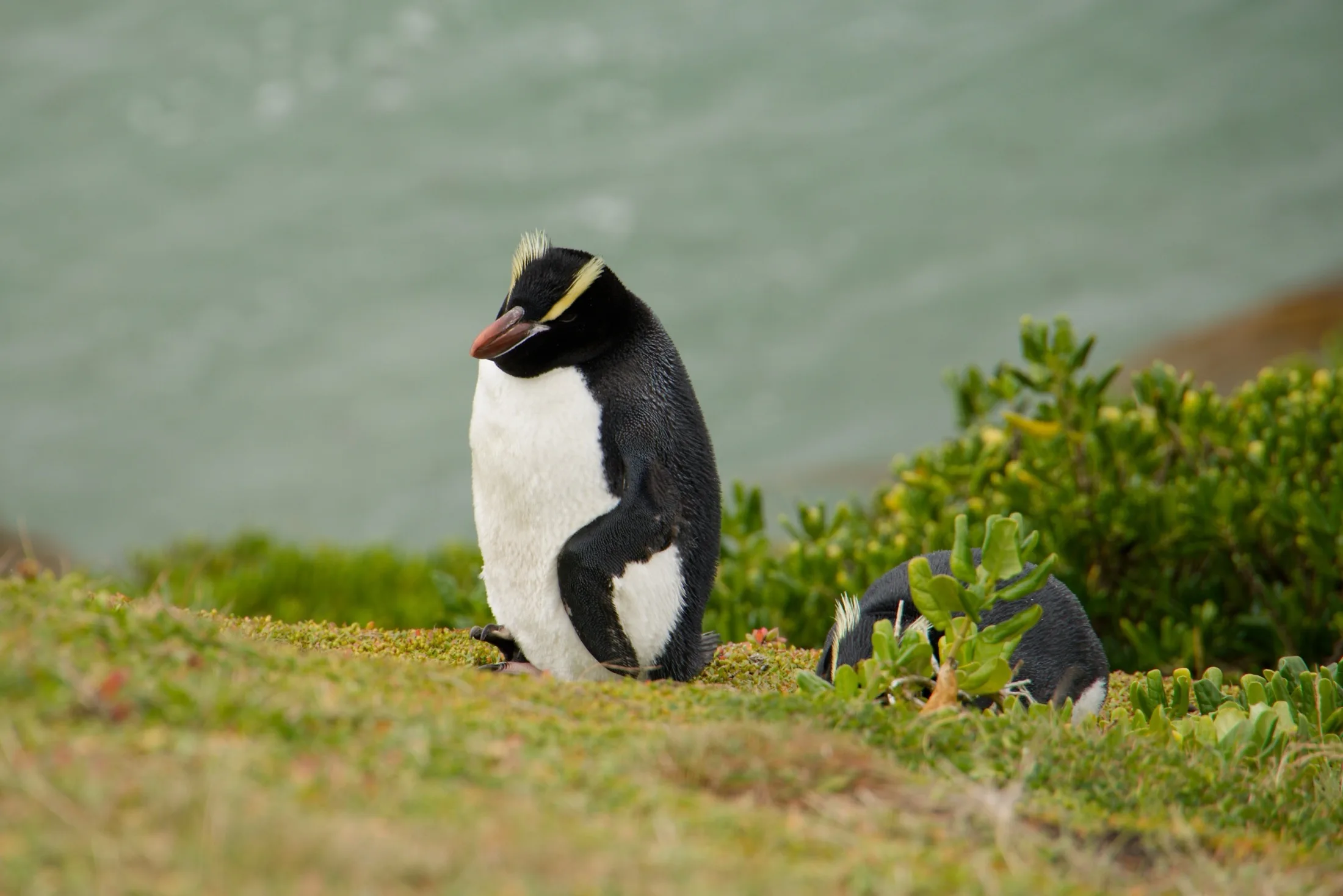
The fiord walls are where tawaki, the Fiordland crested penguin, comes ashore to breed, roughly July to November. It is one of the world's rarest penguins and the only one that nests in temperate rainforest; seeing one from a boat is a matter of luck and timing.
The alpine passes and car parks, notably around the Homer Tunnel on the Milford road, are kea country. The world's only alpine parrot is intelligent, fearless and destructive — do not feed them, and check your car's rubber trim before driving off.
The beech forest along the Great Walks holds the forest birds: bellbird and tui song, South Island robin that will land beside you, rifleman, and kaka. Takahe, the flightless rail once thought extinct, survives in the restricted Murchison Mountains and cannot be visited — the reliable place to see one is the sanctuary at Te Anau.
Practicalities
Te Anau is the base for the park, with Queenstown a couple of hours further. The Milford road is spectacular and closes for avalanche risk in winter; carry chains when required.
The Great Walks — Milford, Kepler and Routeburn tracks — require hut bookings that open months ahead and sell out within minutes for the summer season. This is one of the wettest inhabited places on Earth: expect rain, and know that the waterfalls are at their best because of it. Sandflies are relentless; bring repellent.
Gallery
Wildlife Species
Fiordland crested penguin and southern seabirds
RareBird · Best time: Seasonal coast visits
Dolphins and fur seals in fjords
UncommonMammal · Best time: Boat trips
Kea, takahe, and endemic forest birds
UncommonBird · Best time: Guided or sanctuary-linked trips
Red deer and wild mountain-country fauna
UncommonMammal · Best time: Quiet periods
Geography
- Terrain
- Fjords, temperate rainforest, alpine mountains, lakes, offshore waters
- Elevation
- Sea level to high alpine summits
- Climate
- Cool wet maritime
- Area
- Huge national park in southwest New Zealand
Weather
- Best Months
- NovemberDecemberJanuaryFebruaryMarch
- Avg. Temperature
- -2 to 22°C
- Rainfall
- Very high, with weather and boat conditions shaping many experiences
- Humidity
- 70-100%
Getting There
Queenstown, Te Anau road access, or regional fly-cruise links
Long but straightforward by New Zealand standards, with some sectors requiring boat access
- Milford or Doubtful Sound cruises
- Fiordland birding route
- Multi-day wilderness and photography itinerary
(Affiliate link — we may earn a commission.)
Tours & Experiences
Local guides substantially improve animal sighting odds — compare independent operators and dates for Fiordland National Park below.
(Affiliate links — we may earn a commission.)
Where to Stay
Te Anau hotels and lodges
Budget to PremiumHotel or Lodge · Main gateway base
Check availability on Booking.com →Milford and Doubtful Sound cruise or lodge options
Mid-range to PremiumCruise or Lodge · Closer to fjord sectors
Check availability on Booking.com →(Affiliate links — we may earn a commission.)