Jigokudani Snow Monkey Park
Jigokudani Snow Monkey Park
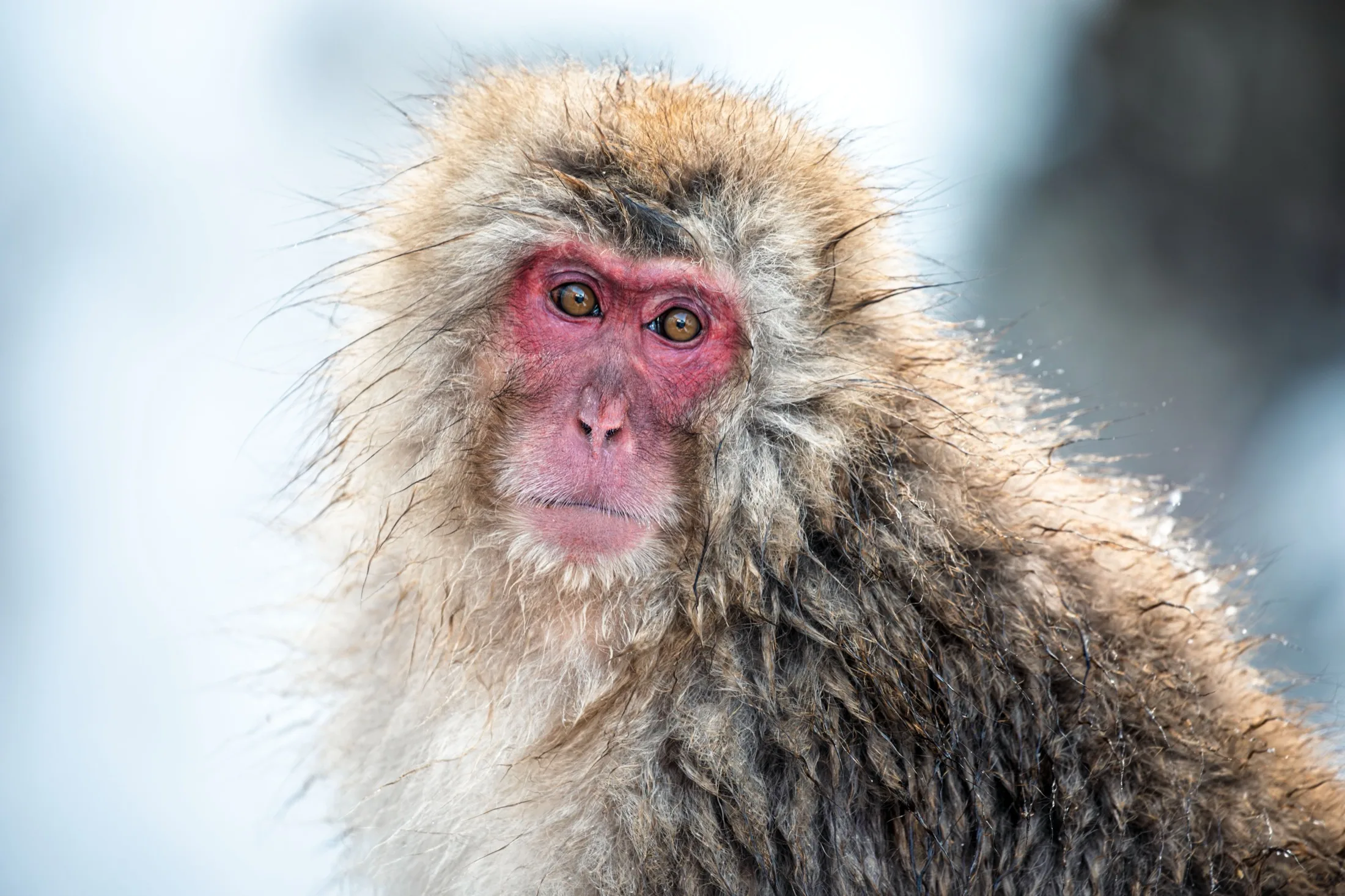
Jigokudani Monkey Park in the Japanese Alps is where wild Japanese macaques bathe in a hot spring surrounded by snow, one of the most photographed wildlife scenes on Earth. It is strongest for travelers who want a guaranteed, accessible encounter with a species doing something genuinely unusual.
Where to find the wildlife
The park is a single hot spring pool in a steep valley, and the macaques come down from the surrounding forest to use it. The troop is wild and free-ranging — it is fed at the park to keep it coming, which is the honest basis of the whole experience.
The hot spring pool is the entire site. Macaques sit in the water with snow on their heads, groom each other, and squabble at the edges, entirely indifferent to the ring of people photographing them from a metre away. Young animals play in and out of the water constantly.
The valley path to the park, a walk of around 30 minutes through cedar forest from the car park, is worth taking slowly — monkeys move along it and are often encountered on the way in.
The surrounding forest holds the troop when they are not at the pool, and on warmer days they may not come down at all — the bathing is a cold-weather behaviour.
January and February are the peak, when snow is deep and the contrast between steam, snow and red faces is at its best. The park is open year-round and the monkeys are present throughout, but without snow the photographs are ordinary.
Practicalities
The park is reached from Yudanaka or Nagano, easily done as a day trip from Tokyo by shinkansen and local bus. Staying in a nearby onsen town lets you arrive at opening time before the tour groups.
The walk in is icy in winter — proper footwear or crampons matter. Do not touch or feed the monkeys, do not make eye contact with adult males, and keep food out of sight; they are wild animals and will take what they can. Note also that this is a single, small, crowded site: it delivers exactly what the photographs promise and little else, so plan it as a half day rather than a destination.
Gallery
Wildlife Species
Japanese Macaque
CommonMammal · Best time: Winter, especially snowy conditions
Forest-edge birds and mountain passerines
UncommonBird · Best time: Morning around the access trail
Seasonal alpine-area wildlife around the broader valley
RareMammal or Bird · Best time: Outside the central monkey-viewing zone
Macaque social behavior and portraits
CommonMammal · Best time: All day, with strongest visuals in cold weather
Geography
- Terrain
- Snowy mountain ravine, deciduous forest, geothermal hot spring pool, river valley
- Elevation
- About 850m
- Climate
- Cold snowy inland mountain climate
- Area
- Small protected macaque viewing area within wider mountain habitat
Weather
- Best Months
- DecemberJanuaryFebruaryMarch
- Avg. Temperature
- -10-25°C
- Rainfall
- Winter snow and cold create the classic steam-and-snow photography conditions, though macaques are present year-round
- Humidity
- 50-95%
Getting There
Nagano access by rail or road, then bus or drive to Kanbayashi Onsen and a 25 to 40 minute forest walk
Quite easy by wildlife standards, though the final forest walk and winter footing make it less effortless than urban attractions
- Winter snow-monkey photography day trip
- Monkey park visit combined with Nagano or Shiga Kogen
- Short overnight stay in nearby onsen towns
(Affiliate link — we may earn a commission.)
Tours & Experiences
Local guides substantially improve Seasonal alpine-area wildlife around the broader valley sighting odds — compare independent operators and dates for Jigokudani Snow Monkey Park below.
(Affiliate links — we may earn a commission.)
Where to Stay
Ryokan and hotels in Shibu Onsen and Yudanaka
Budget to PremiumRyokan or Hotel · Main practical bases for visiting the park
Check availability on Booking.com →Nagano city hotels for day-trip access
Budget to PremiumHotel · Useful for short itineraries and rail-based travel
Check availability on Booking.com →(Affiliate links — we may earn a commission.)