Kushiro Shitsugen National Park / Tsurui
Kushiro Shitsugen National Park / Tsurui
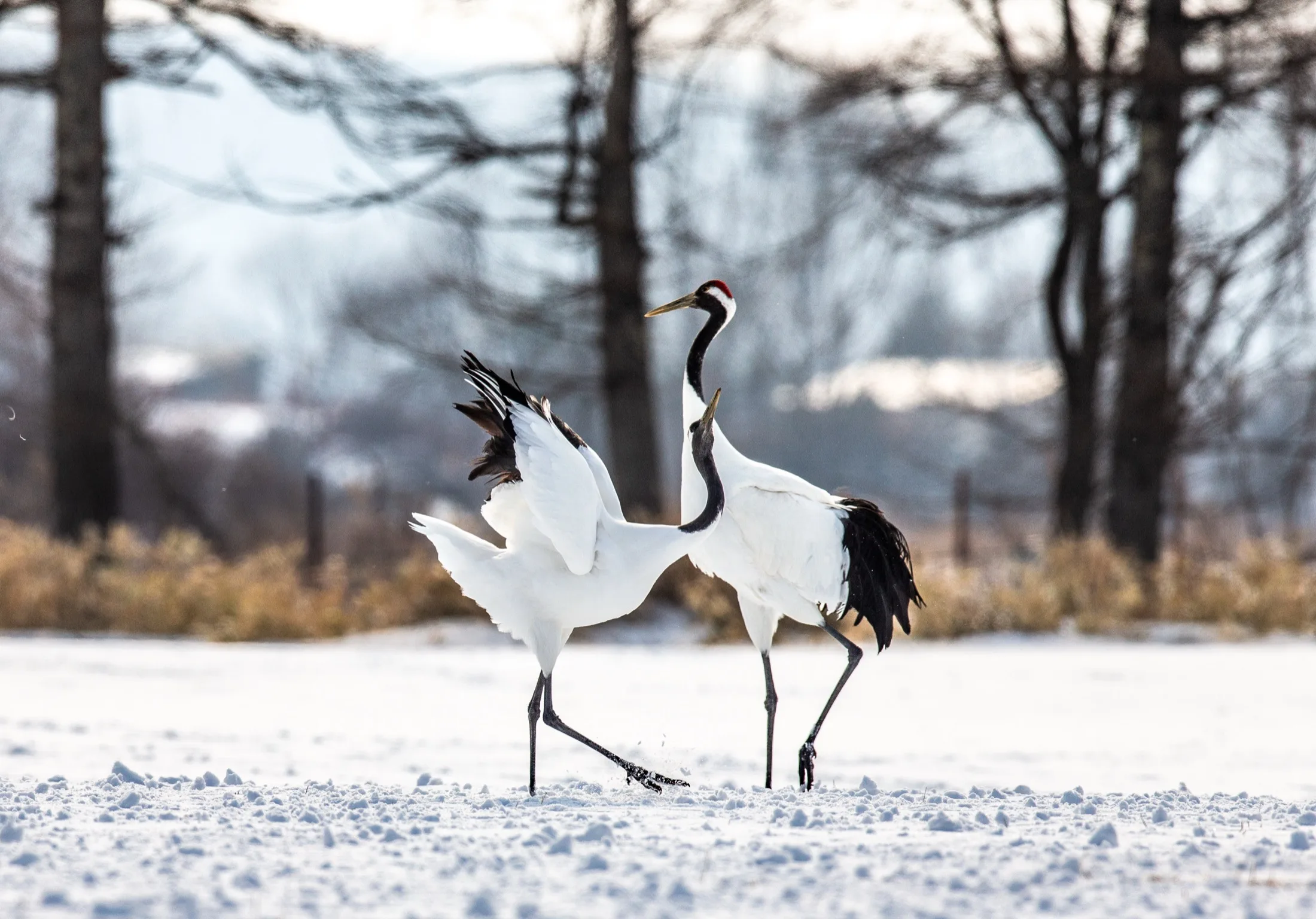
Kushiro Shitsugen is Japan's largest marsh, a vast wetland in eastern Hokkaido that saved the red-crowned crane from extinction and now hosts the country's most photographed winter wildlife spectacle. It is strongest for photographers working the Japanese winter and for anyone drawn to a bird of extraordinary cultural weight.
Where to find the wildlife
The cranes are the reason to come, and in winter they are found not in the marsh itself but at a handful of feeding sites and roosts around its edge — each with a specific role in the daily routine. Understanding that routine is what separates a good day from a frustrating one.
The Tsurui-Ito and Akan crane centres are the daytime feeding sites, where hundreds of red-crowned cranes gather from December to March. This is where the courtship dancing happens — pairs bowing, leaping and calling in unison against snow — and where almost every famous photograph of the species is taken.
The Otowa bridge over the Setsuri river is the dawn site. Cranes roost standing in the unfrozen river overnight, and on cold mornings mist rises off the water around them as the light comes up. Photographers arrive well before sunrise for space on the bridge in winter.
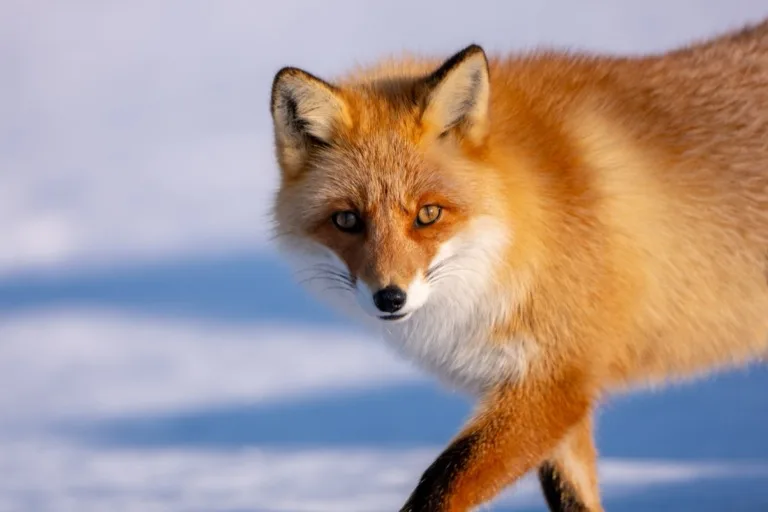
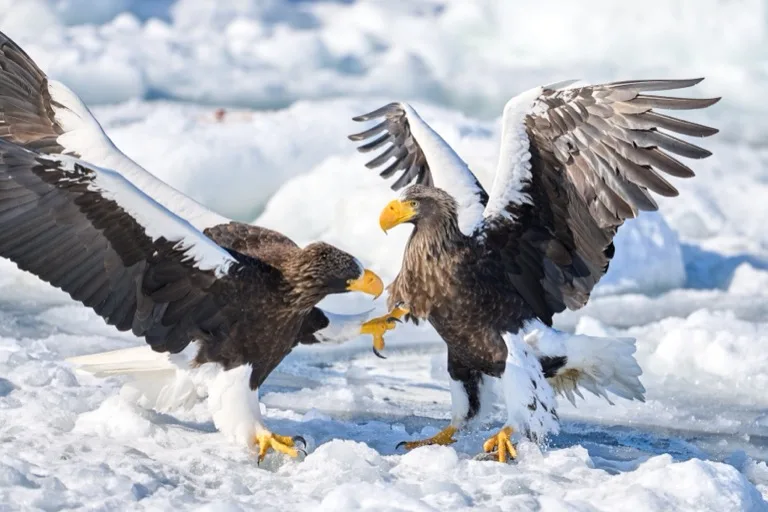
The marsh itself, best seen from the Hosooka or Kottaro viewpoints, is a different park in summer: a huge sedge and reed wetland with cranes nesting out of sight, plus white-tailed eagles, Ezo red foxes and sika deer.
The Kushiro river, canoed in the warmer months, gives the ground-level view of the marsh and its birdlife.
Winter, from December to early March, is the season for the classic experience. Deep cold — regularly well below freezing — is what produces the mist and the dancing.
Practicalities
Kushiro has flights from Tokyo and Sapporo, and the crane sites are 30 to 60 minutes away by road. A hire car is the practical way to move between the dawn roost and the daytime centres.
Winter driving in Hokkaido is serious; take a proper vehicle. At the roost sites, keep to the designated viewing areas — disturbance at dawn pushes birds off the roost, and the local community's tolerance of photographers depends on people behaving.
Gallery
Wildlife Species
Red-crowned Crane
UncommonBird · Best time: Winter
Whooper Swan and wintering waterfowl
CommonBird · Best time: Winter
White-tailed Eagle and northern raptors
UncommonBird · Best time: Winter
Marsh and reedbed birds
UncommonBird · Best time: Spring and summer
Geography
- Terrain
- Peatland marsh, reedbeds, meandering rivers, wet meadows, open winter feeding fields
- Elevation
- Lowland wetland plain
- Climate
- Cool northern wetland climate
- Area
- About 269 km2 national park, with broader wetland and crane-use landscape beyond
Weather
- Best Months
- DecemberJanuaryFebruaryMarchApril
- Avg. Temperature
- -15-20°C
- Rainfall
- Winter is the defining crane and photography season, while spring adds marsh birds and easier travel conditions
- Humidity
- 45-90%
Getting There
Kushiro Airport with short onward transfer to Tsurui, Kushiro wetlands viewpoints, and hide locations
Exceptionally easy for a globally famous crane destination, especially by self-drive or short organized tours
- Winter red-crowned crane photography trip
- Marsh birding and observation-deck circuit
- Short Hokkaido natural-history extension from Kushiro
(Affiliate link — we may earn a commission.)
Tours & Experiences
Local guides substantially improve Red-crowned Crane sighting odds — compare independent operators and dates for Kushiro Shitsugen National Park / Tsurui below.
(Affiliate links — we may earn a commission.)
Where to Stay
Hotels and inns in Kushiro
Budget to Mid-rangeHotel · Main gateway base
Check availability on Booking.com →Ryokan, lodges, and guesthouses in Tsurui and nearby villages
Mid-rangeRyokan or Guesthouse · Closer to the classic crane areas
Check availability on Booking.com →(Affiliate links — we may earn a commission.)